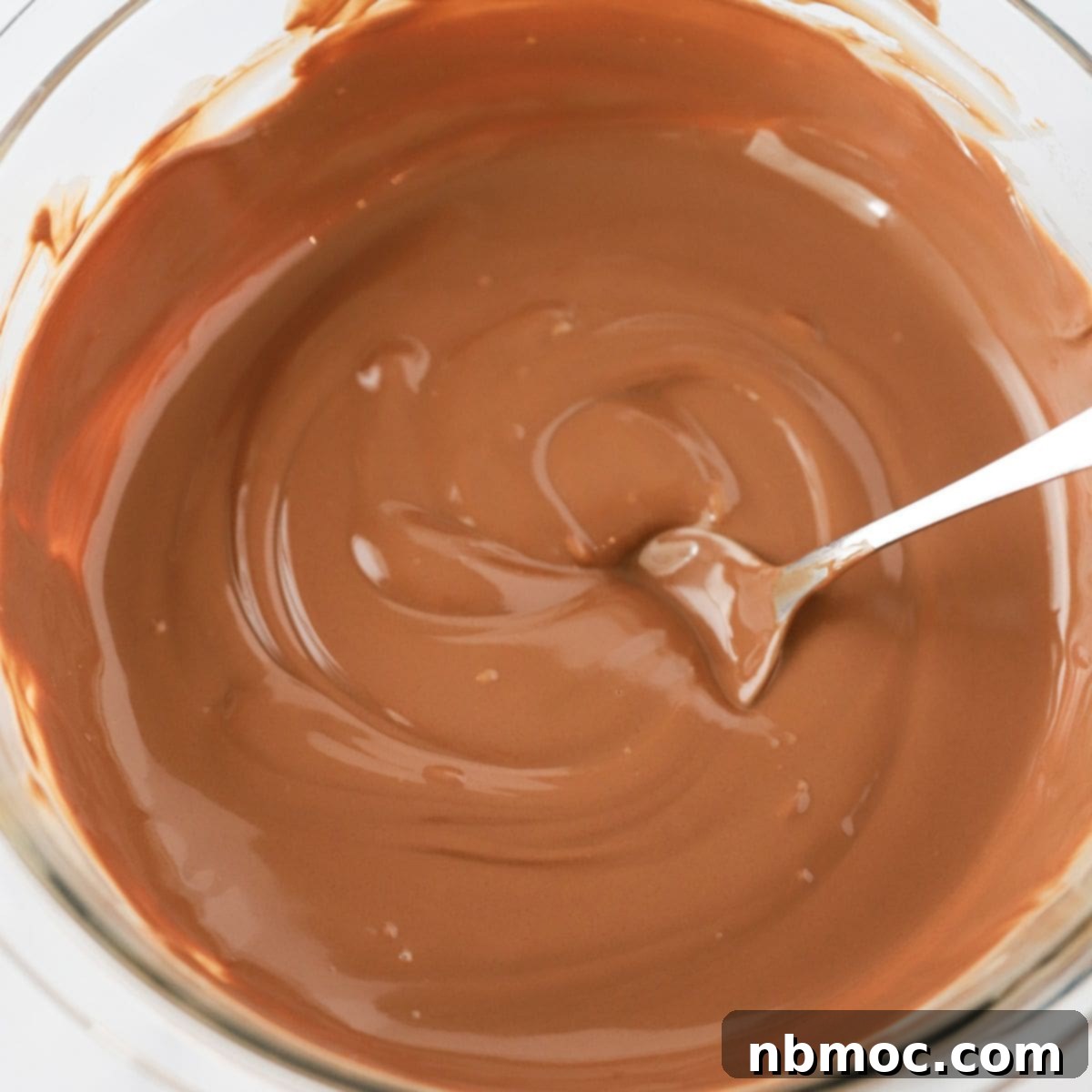
Chocolate, in its simplest form, is a delightful treat. However, its true versatility often shines when melted, transforming it into a luxurious ingredient for countless culinary creations. Whether you’re whipping up a batch of gooey brownies, crafting elegant chocolate-dipped strawberries, or aspiring to create professional-grade confections with a perfect snap, mastering the art of melting chocolate is an essential skill for any home cook or aspiring pastry chef.
This comprehensive guide delves into every aspect of melting chocolate, from understanding different types and their ideal applications to exploring various melting methods and even demystifying the advanced technique of tempering. We’ll equip you with the knowledge and confidence to achieve silky, smooth, and lump-free melted chocolate every single time, ensuring your desserts are nothing short of irresistible.
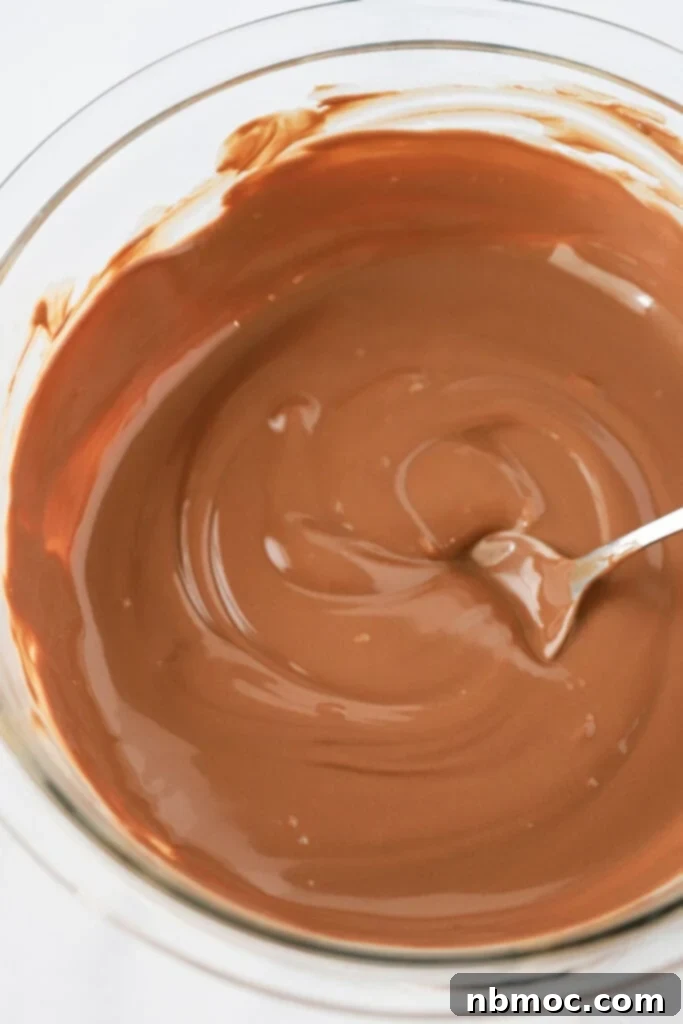
Unlocking Chocolate’s Potential: 3 Key Applications
Understanding why you’re melting chocolate is the first step toward choosing the right method and type of chocolate. Here are the three primary reasons to melt chocolate, each with its own nuances:
- As a Recipe Ingredient: Many cherished dessert recipes, from rich brownies and soft cookies to decadent cakes, creamy mousses, and smooth frostings, rely on the seamless integration of melted chocolate. In these applications, the chocolate contributes not only flavor but also structure and moisture, making consistency and a lump-free texture paramount for a flawless end product.
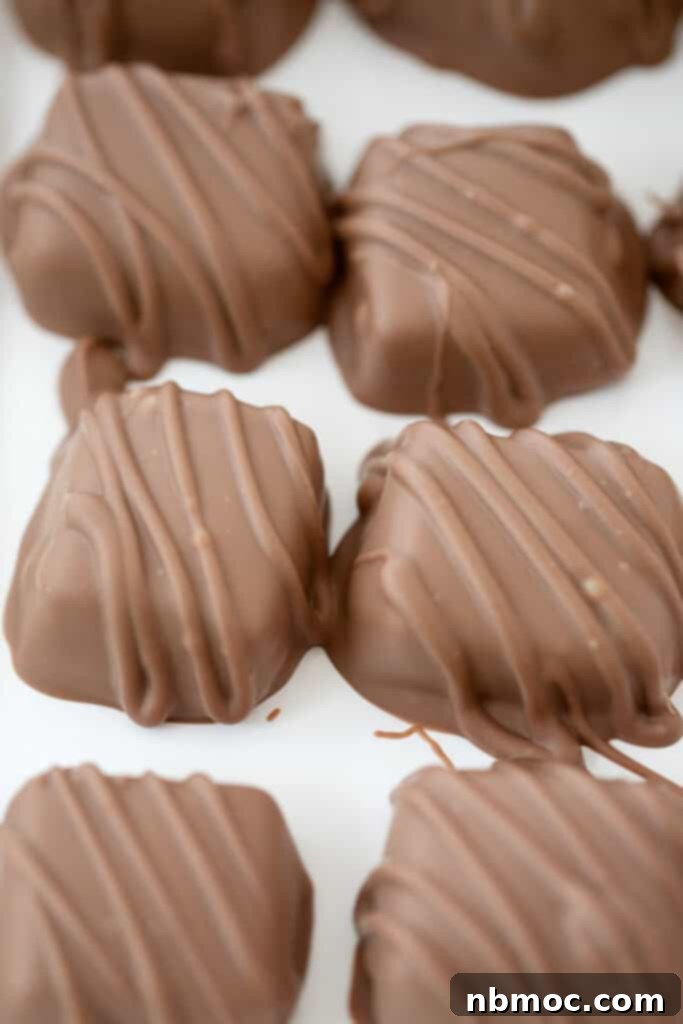
- For Dipping and Coating Simplicity: When ease and speed are your top priorities for creating chocolate-covered delights, melting chocolate wafers or compound chocolate is the go-to choice. This type of chocolate is specially formulated to melt smoothly and set quickly without needing tempering, perfect for coating candies, fresh strawberries, cookies, pretzels, and a wide array of other treats. It offers a convenient way to elevate simple snacks into impressive desserts.
- The Art of Tempering for Professional Results: For those aspiring to achieve truly professional-looking confections, tempering chocolate is indispensable. Tempered chocolate boasts a beautiful, glossy shine, a satisfying crisp snap when broken, and a stable texture that resists melting at room temperature and avoids unsightly white streaks or “bloom.” This technique is crucial for artisanal candies, delicate chocolate decorations, and high-quality dipped items that demand a superior finish and mouthfeel.
Each of these applications calls for different types of chocolate and distinct melting or tempering techniques, all of which will be explored in detail within this guide. Keep this page handy as your ultimate resource for all things melted chocolate!
Essential Tips for Working with Chocolate
Regardless of your chosen melting method or the final application of your chocolate, a few fundamental principles will ensure success and prevent common pitfalls. Adhering to these general guidelines will lead to consistently beautiful results.
- The Arch Nemesis: Water! Water and melted chocolate are sworn enemies. Even a tiny droplet of water can cause chocolate to seize, turning it from a smooth, luxurious liquid into a grainy, unworkable mess. When using a double boiler, be exceptionally careful to prevent steam or condensation from dripping into your chocolate bowl. Ensure all your utensils and bowls are completely dry before they touch the chocolate. Unfortunately, seized chocolate is often difficult, if not impossible, to fully recover.
- The Delicate Dance with Heat: Chocolate is highly sensitive to heat and can burn easily, leading to a bitter, unpleasant flavor and a gritty texture that cannot be remedied. Always use low, indirect heat when melting. Never place chocolate directly over a flame or high heat source. Consistent stirring helps distribute heat evenly and prevents hot spots that can scorch the chocolate. The goal is to melt it gently and gradually.
- Beware the Chill: Avoiding Temperature Shock: Just as excessive heat is problematic, so is extreme cold. Shocking melted chocolate by introducing it to very cold surfaces or tools can cause it to seize up or develop an undesirable dull finish and streaky appearance (known as “bloom”). While dipping a frozen banana might be your intention for a quick set, avoid working in a cold room, using chilled spatulas, or setting your hot chocolate bowl directly onto a cold countertop unless you specifically desire rapid setting.
- The Power of Constant Stirring: Stirring is your best friend when melting chocolate. It helps regulate the temperature, ensuring uniform melting and preventing burning. It also promotes a smooth, flowing consistency, eliminating lumps and maintaining a beautiful sheen. Keep a rubber spatula or wooden spoon in your bowl and stir frequently, especially as the chocolate approaches its fully melted state. Continuous motion keeps the chocolate pliable and free of imperfections.
- Quality Matters: Choosing the Right Chocolate: The quality and type of chocolate you select play a significant role in your melting success and the final outcome of your dish. Baking bars and high-quality chocolate chips are generally good for melting into recipes. For dipping, you’ll need either compound coating chocolate (easier) or true couverture chocolate (for tempering). Understanding the difference and choosing appropriately will save you frustration.
A World of Dipping Delights: What to Coat in Chocolate
The possibilities for chocolate-dipped treats are virtually endless, limited only by your imagination! Chocolate transforms ordinary items into extraordinary indulgences. Here are just a few mouthwatering ideas to inspire your next chocolate dipping adventure, categorized for easy browsing:
- Fresh Fruits:
- Chocolate Covered Strawberries: A classic for a reason – sweet, juicy, and elegant.
- Fresh fruit skewers: Grapes, banana slices, orange segments, or apple wedges.
- Dried fruit: Apricots, dates, figs, or mango slices for a chewy, sweet contrast.
- Baked Goods & Sweets:
- Pretzels: The perfect salty-sweet combination.
- Cookies: Oreo cookies, vanilla wafers, shortbread, fortune cookies, or ginger snaps.
- Marshmallows: Fluffy clouds of sweetness, especially delicious when toasted first.
- Dipped Rice Krispy Treats: Fun, crunchy, and customizable.
- Chocolate Covered Wafer Cookies: Light and crisp, enhanced by a chocolate shell.
- Brownie bites: Dense, fudgy, and even more decadent dipped in chocolate.
- Hot Chocolate Bombs: A creative way to infuse flavor and fun into a warm beverage.
- Homemade Candies & Confections:
- Chocolate Fondue: The ultimate interactive dessert experience.
- Homemade Cream Fondants: Smooth, creamy centers enrobed in chocolate.
- Nutella Balls or Peanut Butter Balls: Rich, nutty, and irresistible.
- Caramels: A luxurious combination of chewy caramel and crisp chocolate.
- Peanut brittle: A textural delight with crunchy peanuts and smooth chocolate.
- Granola bars: A simple way to add a touch of indulgence to a wholesome snack.
Choosing Your Chocolate: Simple Dipping vs. Artisanal Tempering
When selecting chocolate for your creations, your approach will largely dictate the type of chocolate you purchase. The decision often boils down to a choice between convenience and a gourmet finish.
- The Easy Route: Coating or Dipping Chocolate: For straightforward dipping and coating projects, coating chocolate (also known as compound chocolate or confectionery coating) is an absolute game-changer. These wafers or blocks are designed for effortless melting and setting, requiring no tempering. They are typically made with vegetable fats (like palm kernel oil) instead of cocoa butter, which allows them to melt smoothly and harden quickly with a decent shine, even without precise temperature control. While the flavor and melt-in-your-mouth texture might not be as refined as high-quality tempered chocolate, they offer unparalleled ease of use, making them perfect for beginners or when you’re short on time. Brands like Wilton, Candiquik, or Ghirardelli melting wafers are popular choices for this method. There’s no shame in taking this easy road, especially when dipping for a crowd or with kids!
- The Gourmet Path: High-Quality Couverture Chocolate: If your goal is to achieve a professional-grade finish – that coveted glossy shine, firm snap, and stable texture that resists fingerprints and melting – then you will need to buy high-quality couverture chocolate and temper it. “Couverture” is a French term for chocolate that contains a higher percentage of cocoa butter (typically 32-39%) compared to standard eating or baking chocolate. This increased cocoa butter content is precisely what makes it possible to temper, allowing for the formation of stable cocoa butter crystals that give chocolate its desirable characteristics. Couverture chocolate offers superior flavor and mouthfeel, making it the preferred choice for serious chocolatiers and bakers aiming for excellence.
Mastering Melting Techniques
Whether you’re melting chocolate to incorporate into a cake batter or preparing it for dipping, there are several effective methods to choose from. Each has its advantages depending on the quantity of chocolate and the equipment you have available. Before you begin, consider these essential preparatory tips:
- Unless you are working with small chocolate chips, callets, or pre-chopped melting wafers, it’s crucial to chop larger chocolate bars into small, uniform pieces (roughly 1/2 to 1 inch) using a sharp knife. This ensures even melting and reduces the risk of burning.
- For small quantities of chocolate (less than 1 cup or 6 ounces), the microwave offers speed and convenience.
- For larger quantities (more than 1 pound), the stovetop double boiler or slow cooker methods are often more practical and controlled.
- No matter your chosen method, always remember the golden rule: keep water away from your chocolate to prevent seizing!
How to Melt Chocolate in the Microwave: Speed and Convenience
The microwave is a quick and easy tool for melting chocolate, especially for smaller batches. However, its intense, uneven heat can easily scorch chocolate if not handled carefully. Follow these steps for successful microwave melting:
- Transfer your uniformly chopped chocolate (or chips/callets) into a microwave-safe bowl. Glass or ceramic bowls work well.
- Heat the chocolate on medium power (50-60%) for 30-second intervals. After each interval, remove the bowl and stir the chocolate thoroughly with a rubber spatula. Even if the chocolate doesn’t appear melted, stirring helps redistribute the heat and prevents burning.
- Continue heating in short bursts and stirring until the chocolate is almost entirely melted, with only a few small lumps remaining.
- Remove the bowl from the microwave and continue stirring. The residual heat from the melted chocolate will typically melt the remaining small lumps, resulting in a perfectly smooth consistency. This prevents overheating and burning.
- Depending on the amount, this process can take anywhere from 90 seconds to 4 minutes. Stop heating as soon as it’s nearly smooth.
How to Melt Chocolate on the Stovetop: Classic and Controlled Double Boiler
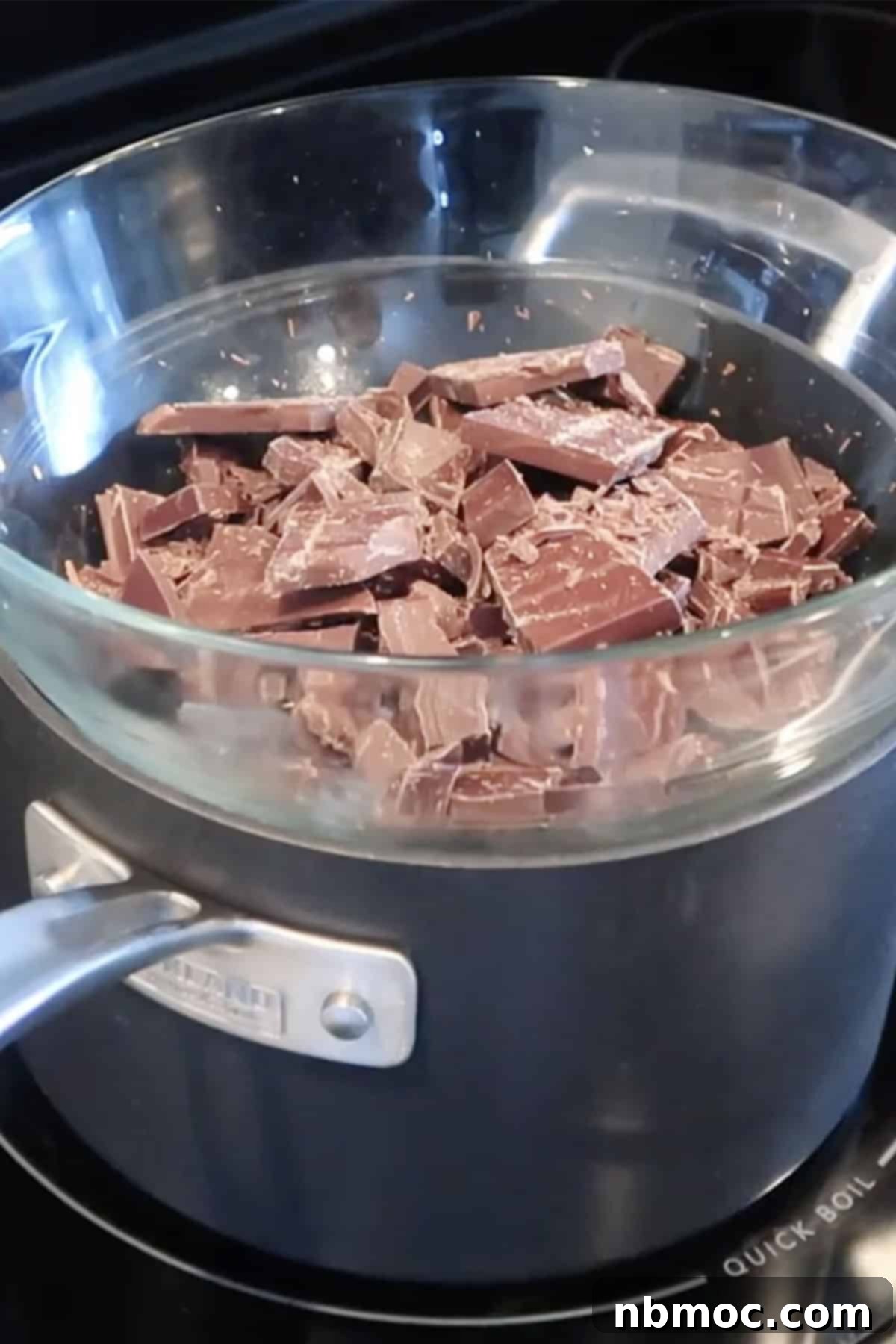
The double boiler method (bain-marie) is a classic technique favored by pastry chefs for its gentle, indirect heat, which provides excellent control and reduces the risk of burning. It’s ideal for moderate to large quantities of chocolate.
- Fill a small saucepan with about an inch or two of water and bring it to a low simmer over medium-low heat. The water should not boil vigorously.
- Place your chopped chocolate into a larger, heatproof bowl (glass or metal) that fits snugly over the saucepan without touching the simmering water. It is crucial that the bottom of the bowl does not make direct contact with the water; the steam is what gently heats the chocolate. If the bowl touches the water, remove some water from the saucepan.
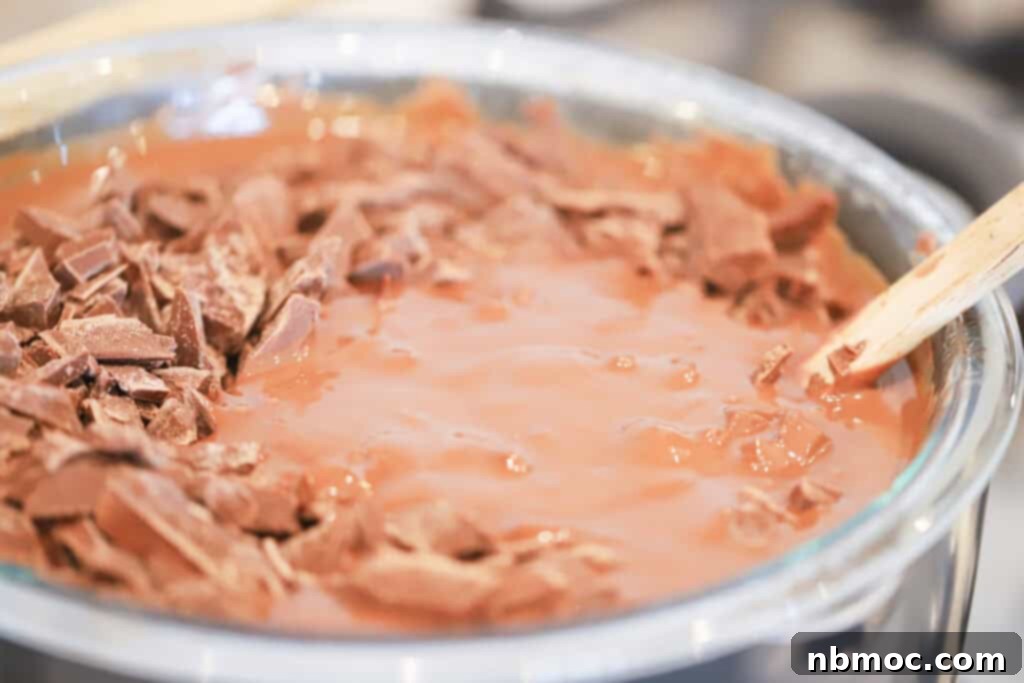
- As the chocolate begins to melt, stir it frequently with a rubber spatula or wooden spoon. The constant stirring promotes even melting and prevents hot spots.
- Continue stirring until the chocolate is completely smooth and melted. Once melted, immediately remove the bowl from the heat to prevent overheating.
How to Melt Chocolate in the Slow Cooker: Hands-Off Perfection for Large Batches
For melting substantial quantities of chocolate, especially if you need to keep it warm and liquid for an extended period (like for a dipping station), the slow cooker is an excellent, hands-off option. This method provides very gentle and consistent heat, virtually eliminating the risk of burning.
- Place your chopped chocolate directly into the ceramic insert of your slow cooker.
- Set the slow cooker to its LOW heat setting. Avoid using the “Warm” setting, as it might not be warm enough for larger quantities, and “High” will be too hot.
- Stir the chocolate occasionally, every 15-20 minutes, as it slowly melts.
- Continue stirring until the chocolate is completely smooth. Once melted, you can leave it on the “Warm” setting (if available and low enough) or turn it off to maintain its liquid state for dipping. Always keep an eye on it to ensure it doesn’t get too hot.
How to Melt Chocolate in the Instant Pot: Modern Efficiency
If you own an Instant Pot, you have another convenient option for melting chocolate, effectively creating a controlled double boiler environment. This method is efficient and offers good temperature control.
- Add about 2 inches of water to the bottom of the Instant Pot’s inner liner.
- Place your chopped chocolate into a large, heatproof bowl (metal or glass) that is big enough to rest on the Instant Pot’s rim, creating a seal and preventing steam from escaping too quickly, while ensuring the bottom of the bowl does not touch the water.
- Select the “Sauté” function on the LOW setting (or “Less” if available) to bring the water to a very gentle simmer.
- Stir the chocolate frequently as it melts from the steam. Once smooth, turn off the Instant Pot and remove the bowl. The residual heat will continue to keep it warm for a short while.
The Art and Science of Tempering Chocolate
Why Tempering is Non-Negotiable for Excellence
If you’re simply melting chocolate to incorporate into a baked good or a mousse, tempering is unnecessary. However, if your goal is to create beautiful, stable, and professional-looking dipped chocolates or decorations, tempering is essential. Untempered chocolate, when melted and then cooled, will typically set with a dull, streaky finish, a soft or crumbly texture, and may develop “fat bloom” (white, grayish streaks or spots) as its cocoa butter crystals recrystallize unevenly. It will also melt easily in your hands.
Tempering is the process of precisely controlling the temperature of chocolate to encourage the formation of stable cocoa butter crystals (specifically, Type V crystals). These stable crystals are responsible for the desirable characteristics of high-quality chocolate: a shiny appearance, a firm snap, and a smooth, melt-in-your-mouth texture that is resistant to handling at room temperature. It’s a foundational skill in advanced confectionery and, while it requires practice and patience, the results are undeniably worth the effort.
Step-by-Step Home Tempering: The Seeding Method
The “seeding method” is one of the most accessible tempering techniques for home cooks. It involves melting most of your chocolate to a specific temperature, then adding unmelted, finely chopped chocolate (the “seed”) to cool it down and introduce stable cocoa butter crystals, followed by a gentle re-warming to a working temperature. Patience and accurate temperature readings are key here.
- Choose High-Quality Couverture Chocolate: Start with the right foundation. Look for couverture chocolate, which indicates a higher cocoa butter content (check the ingredients list for cocoa butter, not just cocoa solids, and look for a percentage on the packaging). This method will not work with standard baking chocolate bars or chocolate chips (like Hershey’s or typical grocery store chips) that have stabilizers or less cocoa butter.
- Chop and Reserve Your Chocolate: If your couverture comes in a bar, finely chop it into small, uniform pieces (callets or fèves are ideal and pre-sized). Separate your chopped chocolate into two portions: reserve about 1/3 of the total amount for seeding, and place the remaining 2/3 into a clean, dry, heatproof bowl.
- Initial Melt to Target Temperatures: Gently melt the 2/3 portion of chocolate using a double boiler or the microwave (in 30-second intervals, stirring thoroughly each time). The goal is to melt it completely and bring it to a specific temperature to ensure all cocoa butter crystals are melted:
- For white and milk chocolate, heat to 113-115°F (45-46°C).
- For dark chocolate, heat to 118-120°F (48-49°C).
Stir frequently to ensure even melting and prevent scorching. Once the target temperature is reached and the chocolate is completely smooth and lump-free, remove it from the heat.
- Cooling and Seeding: Transfer the hot, melted chocolate to a fresh, clean, dry bowl. Let it cool for about 5 minutes, stirring occasionally, until the temperature drops slightly. Now, gradually add the reserved 1/3 portion of unmelted chocolate (“seed”) into the warm, melted chocolate, stirring constantly. Add the seed chocolate in small increments, allowing each addition to fully melt and incorporate before adding more. This process cools the chocolate and introduces stable cocoa butter crystals, initiating the tempering process. Continue stirring and adding seed chocolate until the mixture reaches a critical lower temperature:
- For all types of chocolate (white, milk, dark), cool down to 79-81°F (26-27°C).
At this stage, you may still have a few small unmelted chocolate pieces. This is acceptable.
- Reheating to Working Temperature: Now, you need to gently bring the chocolate back up to its ideal working temperature, which will melt any remaining seed pieces while maintaining the stable crystal structure. This is the most delicate part; do NOT overheat!
- For white and milk chocolate, gently warm to 84-86°F (29-30°C).
- For dark chocolate, gently warm to 88-90°F (31-32°C).
You can achieve this by placing the bowl back over the double boiler for just a few seconds at a time, removing it, and stirring vigorously. Alternatively, you can use a hairdryer on a low, warm setting, continuously moving it over the chocolate surface and stirring. Continuously check the temperature with an accurate thermometer. As soon as the target working temperature is reached and all lumps are gone, remove from heat.
- The Test for Temper: To verify your chocolate is perfectly tempered, dip the tip of a clean butter knife, a spoon, or a piece of parchment paper into the chocolate. Let it sit at room temperature (ideally between 68-72°F or 20-22°C). A properly tempered chocolate sample should set quickly, typically within 5-10 minutes (or even faster), appear shiny, and be free of any streaks or dull spots. If it sets dull or takes too long, your chocolate is likely out of temper, and you’ll need to restart the process.
- Immediate Use: Once confirmed as tempered, use the chocolate immediately for dipping, coating, or molding. Throughout your working time, ensure the chocolate’s temperature remains within its ideal working range (e.g., 88-90°F for dark chocolate) to prevent it from falling out of temper. You can gently reheat over the double boiler for a few seconds if it starts to cool too much.
Sourcing Your Couverture: Where to Buy Quality Chocolate
Finding couverture chocolate for tempering might sound daunting, but it’s more accessible than you think! Many local grocery stores, specialty food shops, and online retailers carry excellent options. The key is to look for chocolate bars or bags of callets (small, easy-to-melt discs) that specify a percentage on the packaging – this percentage refers to the total amount of cocoa solids (cocoa liquor and cocoa butter), indicating it’s true chocolate suitable for tempering.
At your local grocery store, you can often find reputable brands like Ghirardelli, Godiva, and Guittard in their baking aisle, particularly their higher-percentage dark chocolate bars or specialty baking chocolates. Stores like Trader Joe’s and Whole Foods also frequently stock their own house-brand couverture chocolates, which are excellent for tempering. Don’t overlook local chocolate companies or artisanal food stores in your area, as they often carry fantastic quality chocolate bars perfect for your tempering projects.
For those undertaking larger projects or seeking a broader selection of professional-grade chocolates, online specialty retailers are an excellent resource. Websites like Worldwide Chocolate offer an extensive range of premium couverture brands used by professional chocolatiers. You’ll find esteemed names such as Felchlin, Cacao Barry, Valrhona, and Callebaut – each offering distinct flavor profiles and qualities. Purchasing in larger quantities, often in the form of “callets” or “fèves,” can also be more cost-effective for serious chocolate work.
Delicious Recipes Featuring Melted Chocolate
Once you’ve mastered melting chocolate, a world of delicious possibilities opens up! Here are some fantastic recipes that put your newly acquired skills to good use, transforming simple ingredients into extraordinary treats:
- Unicorn Hot Chocolate Bombs: A magical and delightful way to enjoy hot chocolate.
- Chocolate Fondue: Perfect for entertaining and dipping an assortment of fruits and treats.
- Chocolate Covered Strawberries: A classic elegant dessert for any occasion.
- Saltine Cracker Toffee: An addictive blend of salty, sweet, and crunchy.
- Buttery English Toffee: Rich, buttery, and enrobed in chocolate.
- Crockpot Hot Chocolate: Creamy, warm, and perfect for a crowd.
How to Melt Chocolate for Dipping
Pin
Rate
Ingredients
- 12 ounces chocolate
Instructions
- Put a small pot of water on the stovetop and bring to a low simmer.
- Add your chocolate to a large metal or glass mixing bowl and place the bowl on top of the pot of simmering water. Make sure the bowl isn’t actually touching the water at all (if it is, remove some of the water until it doesn’t touch).
- Stir occasionally as the chocolate melts and keep a close eye on the heat level to make sure that none of the chocolate starts to burn.
Notes
What is the easiest way to dip candy in chocolate?
Using coating chocolate is by far the easiest method as all you need to do is melt and dip. It’s virtually foolproof, unlike tempering chocolate which takes quite a bit of practice to do correctly.
All you need to dip is a bowl for your prepared chocolate, a sheet pan lined with parchment or wax paper, a fork and a knife or offset spatula.
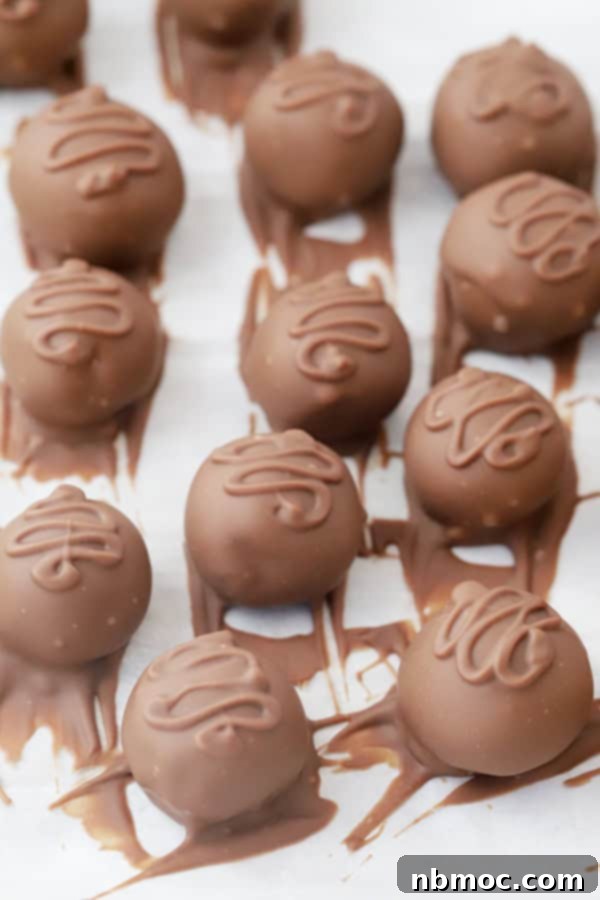
Use a fork to drizzle and cover fondant with chocolate, then lift the ball out and tap the fork on the side of the bowl to remove excess chocolate. Lightly scrape the bottom of the fork on the side of the bowl to remove more excess from the bottom of the fondant and use a butter knife or offset spatula to help slide the fondant from the fork to the parchment paper or wax paper.
Can you use regular chocolate for dipping?
Nope. “Regular” chocolate, such as Hershey’s Chocolate bars or typical chocolate chips, are excellent for use as ingredients in baked recipes. However, they are generally not suitable for dipping applications if you desire a firm, shiny, and stable coating. These chocolates often contain less cocoa butter or added stabilizers that prevent them from setting up properly with a good snap and glossy finish after being melted. For dipping, you must use either specific melting chocolate (also called coating chocolate or compound chocolate) or high-quality couverture chocolate that is properly tempered.
How do you thin chocolate for dipping?
Ideally, properly melted chocolate for dipping should already have a good, flowing consistency and shouldn’t require thinning. However, if you happen to overheat melting chocolate or if regular chocolate begins to seize, it can become too thick. In such cases, you might be able to salvage it by stirring in a very small amount of a neutral vegetable oil (like canola or grapeseed oil) or a tiny bit of melted solid shortening (like Crisco). Start with ½ teaspoon per cup of chocolate and add more very sparingly, until the desired consistency is achieved. Be careful not to add too much, as it can affect the flavor and setting of the chocolate.
Nutrition
Disclaimer: Nutritional values were calculated using a third-party tool and are provided as an estimation only.
Sharing this recipe with a link is both encouraged and appreciated. Copying/pasting and/or screenshots of full recipes to any social media is strictly prohibited. Content and photographs are copyright protected.
Did you make this?
Don’t forget to leave a rating below and make sure to follow on Pinterest, Instagram and Tiktok for more!
More Melted Chocolate Masterpieces
Delve into more incredible recipes that beautifully showcase the versatility of melted chocolate. Each of these offers a unique way to enjoy the rich, satisfying flavor of chocolate in various forms:
- Saltine Cracker Toffee: An irresistible, easy-to-make treat with a perfect balance of sweet and salty.
- White Chocolate Cinnamon Bear Marshmallow Popcorn: A festive and fun snack, perfect for parties or cozy nights.
- Mint Chocolate Dipped Oreos: A refreshing twist on a classic cookie, elevated with a cool minty chocolate coating.
- White Chocolate Dipped Ornament Oreos: A creative and delicious treat, ideal for holiday gatherings.
- Nilla Wafer Caramel Candy: A simple yet decadent candy combining crispy wafers, gooey caramel, and smooth chocolate.
Your Journey to Chocolate Mastery
From the foundational techniques of basic melting to the sophisticated art of tempering, this guide has provided you with a comprehensive roadmap to chocolate mastery. No longer will you struggle with burnt or lumpy chocolate; instead, you’re equipped to create desserts that boast a flawless, professional finish. Remember that practice makes perfect, especially with tempering. Don’t be discouraged by initial imperfections; each attempt refines your skill.
Embrace the joy of working with chocolate, experiment with different types and applications, and confidently transform ordinary ingredients into extraordinary, mouthwatering creations. Your journey to becoming a chocolate expert starts now – happy melting!