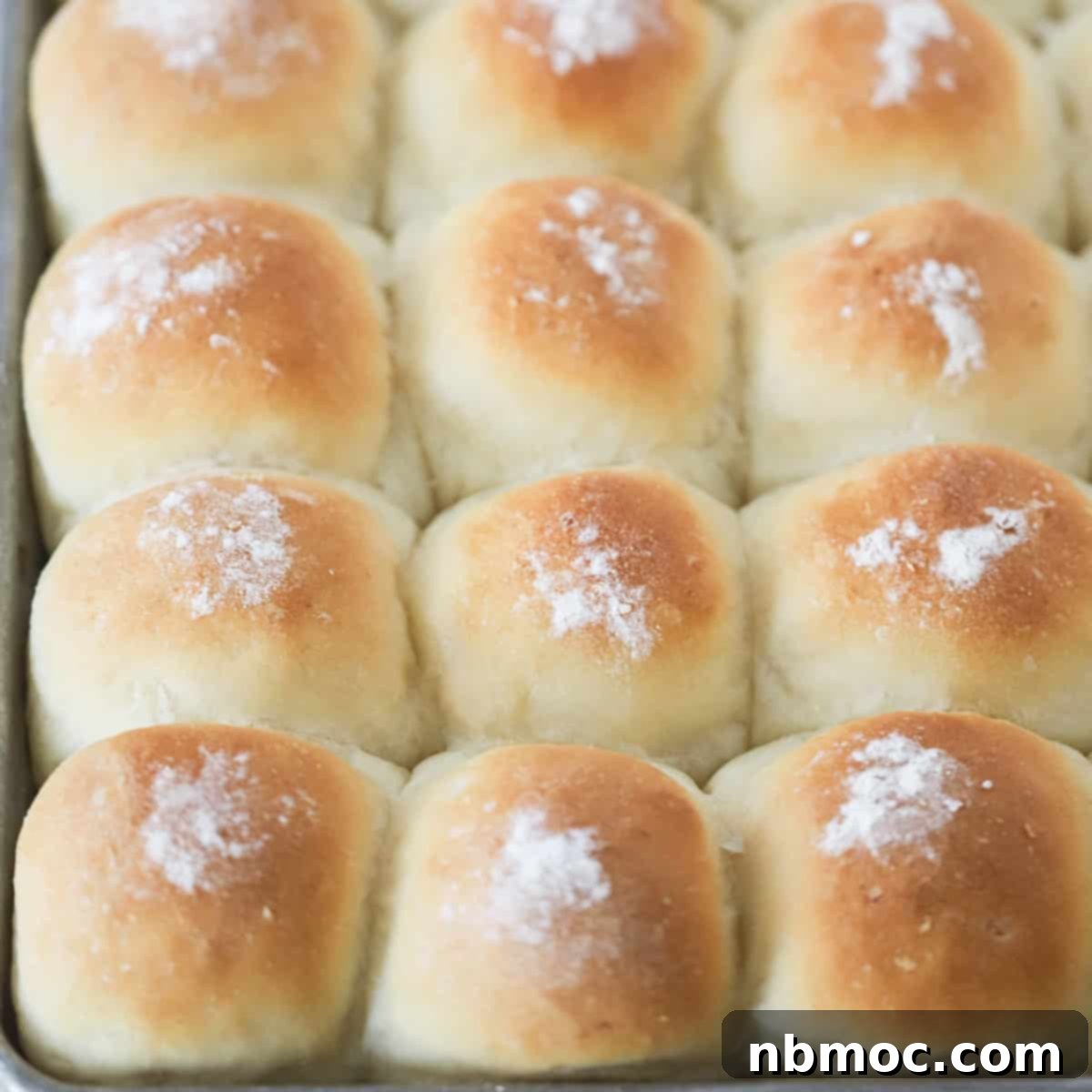
Welcome to the ultimate guide for crafting the most incredibly soft and fluffy dinner rolls you’ll ever experience: our cherished Potato Rolls Recipe. These homemade potato rolls are a true culinary delight, celebrated for their delicate texture, rich buttery flavor, and remarkable versatility. Whether you’re planning a festive holiday feast, a cozy weeknight dinner, or simply looking to impress with your baking skills, these easy-to-make rolls are guaranteed to be a showstopper. They are not only delicious but also incredibly practical, as they can be prepared ahead of time, making meal prep a breeze. Imagine warm, golden-brown rolls, fresh from the oven, ready to complement any dish.
What sets these rolls apart is the addition of mashed potatoes to the dough, a secret ingredient that lends an unparalleled tenderness and moisture that regular flour-based rolls simply can’t achieve. This makes them an exceptional way to utilize any leftover plain mashed potatoes from your Thanksgiving dinner or Sunday roast. Beyond being perfect dinner companions, these versatile potato rolls can transform into gourmet slider buns for your next barbecue, or even be repurposed into delicious French toast or crunchy croutons, extending their delight beyond just one meal. If your baking repertoire calls for more delectable bread recipes, we also recommend exploring our Quick Dinner Rolls, wholesome Wheat Rolls, savory Garlic Knots, or the timeless elegance of our Classic Parker House Rolls.
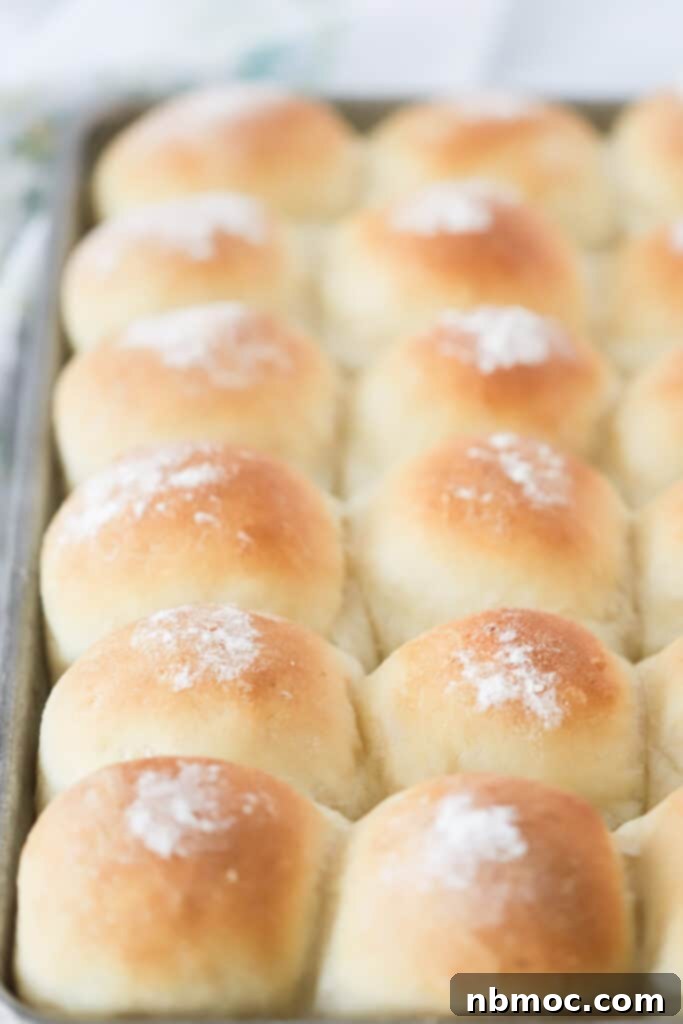
Embracing the Classic: Our Old Fashioned Potato Rolls Recipe
There’s a reason why old-fashioned potato rolls hold such a special place in culinary traditions—they are simply unmatched in their softness, fluffiness, and rich buttery flavor. This recipe brings that beloved experience right into your home kitchen, regardless of your baking expertise. Many home bakers shy away from yeast breads, fearing complexity or failure, but we assure you, this potato rolls recipe is remarkably straightforward and incredibly forgiving. The inclusion of mashed potatoes not only imparts a unique flavor but also makes the dough more pliable and less prone to drying out, making it an excellent choice for beginners and seasoned bakers alike.
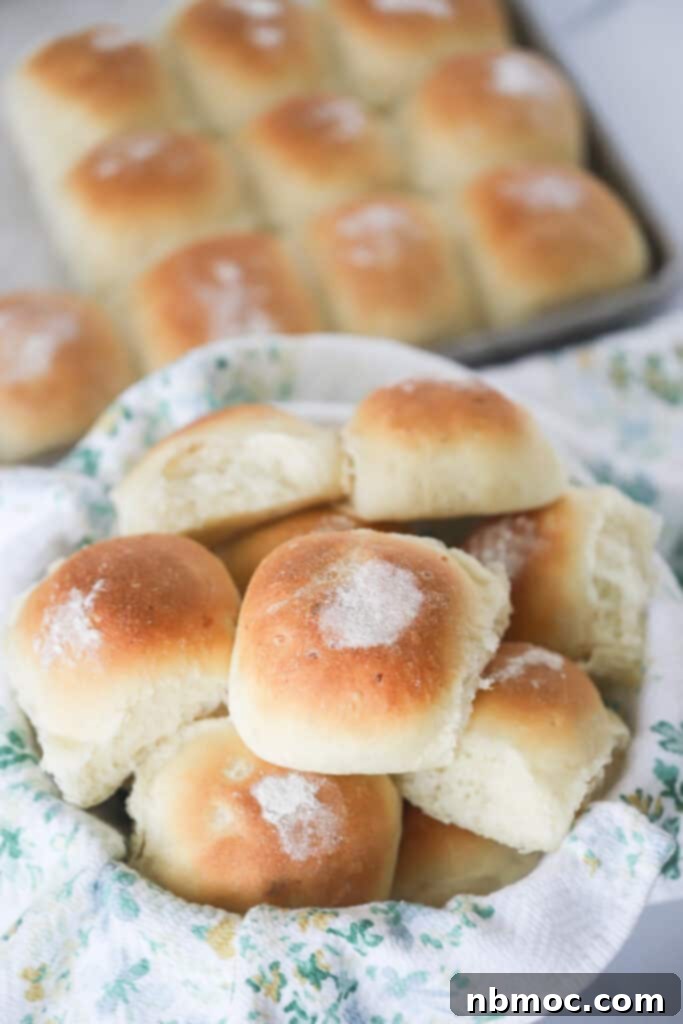
These versatile rolls are a blank canvas for your culinary imagination. Serve them warm as classic dinner rolls alongside any meal, use them as miniature slider buns for appetizers or casual gatherings, or even get creative with leftovers. Stale potato rolls make an exceptional base for a rich and custardy French toast or can be cubed, seasoned, and toasted into delightful croutons for salads and soups. The key to their success lies in using plain mashed potatoes, free from excessive butter, milk, or strong seasonings, which could alter the dough’s consistency and flavor. This recipe is perfect for using up plain mashed potatoes from your holiday spread or even instant mashed potato flakes for convenience. Just ensure any homemade leftovers are brought to room temperature before incorporating them into the dough for optimal mixing and rising.
Key Ingredients for Perfect Potato Rolls
Understanding the role of each ingredient is fundamental to mastering this recipe and achieving those famously soft and fluffy potato rolls. Here’s a closer look at what goes into making these delectable dinner rolls:
- Water – Essential for activating the yeast, the water needs to be lukewarm, ideally around 105-115 degrees F (40-46 degrees C). Water that is too cold won’t activate the yeast, while water that is too hot can kill it, preventing your dough from rising. This initial step is crucial for the light and airy texture of your rolls.
- Yeast – This recipe calls for active dry yeast, a living organism that ferments sugars and produces carbon dioxide, causing the dough to rise. It must be “proofed” or activated in warm water with a touch of sugar to ensure it’s alive and ready to work its magic. Observing the yeast become foamy is your confirmation of its vitality.
- Sugar – Granulated white sugar serves a dual purpose in this recipe. Firstly, it acts as food for the yeast, helping it to activate and multiply, which contributes to a robust rise. Secondly, it adds a subtle sweetness to the rolls and aids in achieving that desirable golden-brown crust during baking. Honey can be used as a flavorful alternative.
- Milk – Scalding the milk—bringing it to a boil and then removing it from heat—is an old-fashioned technique often used in bread making. This process denatures proteins in the milk that can sometimes weaken gluten development, resulting in a softer, more consistent crumb. It also helps to distribute the fats evenly throughout the dough.
- Mashed Potatoes – The star ingredient! You can use freshly made mashed potatoes, making sure they are plain and free from excessive butter, milk, or strong seasonings like garlic or herbs, which could interfere with the dough’s structure and flavor balance. Alternatively, instant mashed potato flakes work wonderfully and are incredibly convenient. The starch in the potatoes contributes significantly to the rolls’ tender texture and moisture retention, keeping them fresh longer. Remember to ensure your mashed potatoes are at room temperature; cold potatoes will inhibit the yeast’s activity.
- Butter – Room temperature, softened butter is key for seamless incorporation into the dough. Butter adds richness, flavor, and contributes to the rolls’ tender crumb. It also helps to tenderize the gluten, making the rolls melt-in-your-mouth delicious. Using unsalted butter allows you to control the overall salt content of the recipe.
- Eggs – Large eggs enrich the dough, adding fat, protein, and moisture. The protein helps build structure, while the fat from the yolks contributes to a tender, lighter crumb and a beautiful golden hue. Bringing eggs to room temperature before adding them to the dough helps them emulsify better with other ingredients, creating a smoother, more uniform dough.
- Flour – All-purpose flour is ideal for these rolls, providing the right balance of protein for structure without making the rolls too dense. If you prefer a slightly chewier roll, bread flour can be substituted, as it has a higher protein content that develops stronger gluten. Measuring flour correctly, ideally by weight or using the spoon-and-level method, prevents adding too much, which can lead to dry, tough rolls.
- Salt – A crucial ingredient for flavor balance. Salt enhances the taste of the rolls and also helps to control the yeast activity, ensuring the dough rises at an optimal pace. Without salt, bread often tastes flat and bland.
Step-by-Step Guide: How to Make this Potato Roll Recipe
Creating these divine potato rolls is a rewarding process. Follow these detailed instructions to achieve the perfect balance of softness, flavor, and fluffiness every time:
- Proof the yeast. Begin by preheating your oven to 350 degrees F (175 C) so it’s ready when your rolls are. In a small bowl, combine the warm water (ensure it’s around 105-115°F/40-46°C), active dry yeast, and one tablespoon of sugar. Stir gently to dissolve the sugar and yeast. Let this mixture sit undisturbed for 5 to 10 minutes. You’ll know the yeast is active and healthy when the mixture becomes visibly bubbly and foamy on the surface – this is your confirmation that your rolls will rise beautifully.
- Prepare and combine wet ingredients. While the yeast is proofing, pour the milk into a small saucepan and bring it to a gentle boil over medium heat (this is known as scalding). Once it reaches a boil, immediately remove it from the heat. In the large bowl of a stand mixer fitted with a dough hook attachment, combine the scalded milk, room temperature mashed potatoes, softened butter, and salt. Mix on low speed until all these ingredients are thoroughly combined and smooth. Allow this mixture to cool down until it is lukewarm to the touch; it should be comfortable to dip your finger in. Once lukewarm, add the activated yeast mixture and the eggs to the bowl, mixing again on low speed to integrate them.
- Incorporate flour and knead the dough. Add about half of the all-purpose flour to the wet ingredients in the stand mixer. Mix on low speed until it’s just combined and no dry streaks of flour remain. Then, gradually add the remaining flour, about ½ cup at a time, mixing after each addition. Continue this process until the dough begins to pull away cleanly from the sides of the bowl. Once all the flour is added and the dough starts to gather around the dough hook, increase the mixer speed to medium-low and knead for approximately 3 minutes. This kneading develops the gluten, which is essential for the rolls’ structure and chewiness.
- First rise (bulk fermentation). After kneading, turn off the mixer. The dough should be soft, slightly tacky, but not overly sticky. Lightly grease the bowl or cover it loosely with a clean kitchen towel or plastic wrap. Place the bowl in a warm, draft-free spot. Let the dough rise for about 30-45 minutes, or until it has visibly doubled in size and appears light and puffy. This first rise, known as bulk fermentation, is crucial for developing flavor and texture.
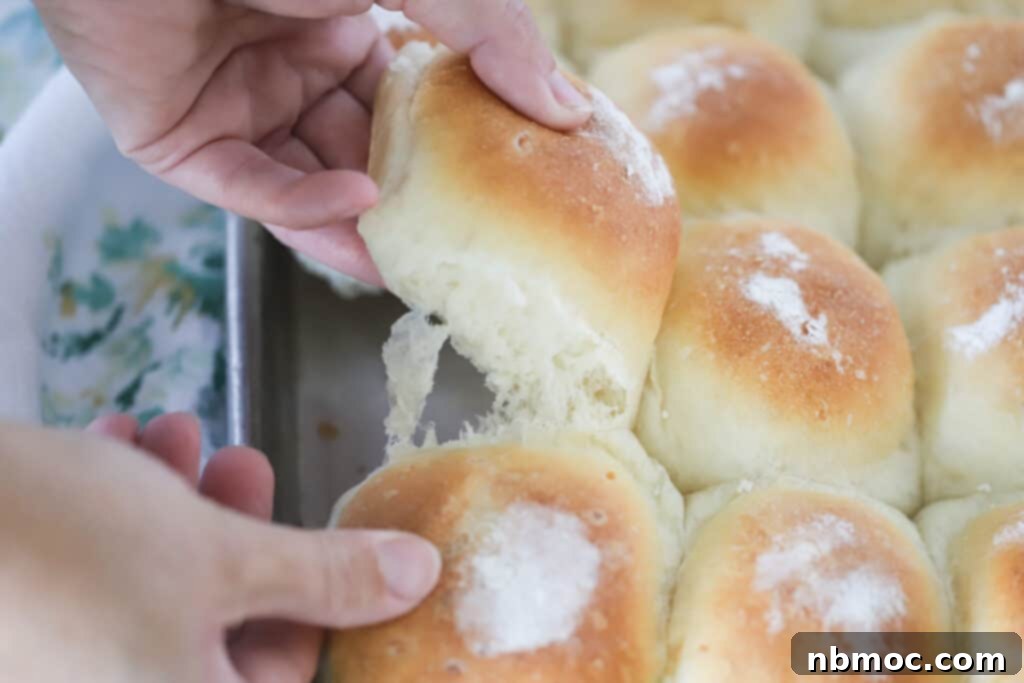
- Shape the rolls. Once the dough has completed its first rise, gently punch it down to release the air. Transfer the dough onto a lightly floured surface. Using a sharp knife or a dough scraper, divide the dough into 24 equal pieces. For consistent results, you can weigh each piece. Roll each individual piece into a smooth, tight ball. Arrange the shaped dough balls into one or two greased baking pans or sheets. Space them out evenly, allowing them to be almost touching. This close placement encourages them to rise upwards and keeps their sides extra soft, creating that classic pull-apart texture.
- Second rise (proofing). Cover the baking pans loosely with a kitchen towel or plastic wrap. Place them back in a warm, draft-free area for their second rise. Allow them to proof for approximately 30 minutes, or until the rolls have doubled in size again and look significantly puffier. This second rise ensures a light and airy finished product.
- Bake to golden perfection. Place the baking pans into your preheated 350°F (175°C) oven. Bake for 15-18 minutes, or until the tops of the rolls are beautifully golden brown. Keep an eye on them, as oven temperatures can vary. The internal temperature should be around 200-205°F (93-96°C) when fully baked.
- Serve with a buttery finish. As soon as you remove the rolls from the oven, let them cool in the pans for just 1-2 minutes. While still warm, generously brush the tops of the rolls with melted butter. This adds an extra layer of richness, shine, and flavor. Serve these irresistible potato rolls warm and enjoy their pillowy softness!
Expert Tips for Soft & Fluffy Potato Rolls
Even if you’re a novice baker, these expert tips will help ensure your potato rolls turn out flawlessly soft, incredibly fluffy, and utterly delicious every single time. Don’t be afraid to try these techniques!
- Don’t Overmix or Over-Knead: Overmixing can develop too much gluten, resulting in dense and tough rolls rather than the desired light and airy texture. Mix the ingredients only until they are just combined, then knead only for the recommended 3 minutes after the flour is incorporated. The dough should be smooth and elastic, but not overly stiff. Stop mixing as soon as the dough comes together and achieves the right consistency to maintain that delicate, airy structure.
- Use Quality Flour: The type and quality of your flour significantly impact the final texture. Opt for a good quality unbleached all-purpose flour or bread flour. Unbleached flour tends to have better protein structure. If using bread flour, your rolls might be slightly chewier, which some prefer. Always measure your flour accurately, ideally using a kitchen scale for precise results, or the spoon-and-level method to avoid compacting the flour.
- Embrace the Double Rise: Allowing the dough to rise twice is a non-negotiable step for achieving superior texture and flavor. The first rise (bulk fermentation) develops the flavor and strength of the dough. The second rise (proofing) ensures the rolls are light and airy. Each rise allows the yeast to work its magic, creating air pockets and contributing to a better crumb and a softer mouthfeel. Patience during these rising times will be greatly rewarded.
- Monitor Your Oven Temperature and Don’t Overbake: Preheat your oven thoroughly to the correct temperature before baking. An oven thermometer is a baker’s best friend, especially if you have an older oven, as internal temperatures can vary significantly from the dial setting. Overbaking is the quickest way to turn soft rolls into dry, crumbly ones. Bake only until the rolls are golden brown on top and sound hollow when tapped, usually 15-18 minutes. Err on the side of slightly underbaked if unsure, as they will continue to cook slightly from residual heat.
- Ensure Lukewarm Ingredients: All cold ingredients (milk, mashed potatoes, eggs, butter) can shock the yeast and slow down or stop its activity. Make sure your milk is scalded and cooled to lukewarm, mashed potatoes and eggs are at room temperature, and butter is softened. This creates an optimal environment for the yeast to thrive and for the dough to come together smoothly.
- Achieve the Right Dough Consistency: The ideal dough for these potato rolls should be soft and slightly tacky, but not sticky enough to cling to your hands excessively. If it’s too dry, add a tiny bit of lukewarm water or milk; if too wet, add a tablespoon of flour at a time until the right consistency is reached. A pliable, soft dough will yield tender rolls.
Frequently Asked Questions About Potato Rolls
What are the best potatoes to use for Potato Rolls?
For the best potato rolls, you have excellent flexibility with your potato choice. You can use either freshly prepared or leftover mashed potatoes, or even instant mashed potato flakes. If opting for homemade mashed potatoes, it’s crucial that they are plain, meaning they shouldn’t have any added butter, milk, cream, or strong flavorings like garlic powder or chives. These additions can alter the dough’s moisture content and interfere with the delicate balance of the recipe. Plain riced or mashed potatoes ensure a consistent dough texture and optimal rise. Instant potato flakes are a fantastic shortcut; simply prepare them with water according to package directions, allow them to cool, and then incorporate them into the recipe. Both options will yield incredibly soft and fluffy dinner rolls, so choose what’s most convenient for you.
How close should the dough balls be in the baking sheets?
The spacing of your potato dough balls in the baking pan significantly influences the final texture of your rolls. For rolls that are exceptionally soft and fluffy with tender, pull-apart sides, arrange the dough balls very close together. I recommend spacing them so they are either just barely touching or almost touching. This method allows the rolls to rise into each other, creating a barrier that keeps the sides incredibly soft and moist while only the tops develop a light golden crust. If your preference leans towards rolls with a slightly crispier crust on all sides, then space them out a little further apart, allowing more air circulation around each individual roll. Experiment to find your perfect texture!
Can you freeze Potato Rolls?
Absolutely! Potato rolls are wonderfully freezer-friendly, whether baked or unbaked, making them ideal for meal planning and future enjoyment. To freeze baked potato rolls, ensure they are completely cooled, then transfer them to an airtight container or a heavy-duty freezer bag. They can be stored in the freezer for up to 2 months. When you’re ready to enjoy them, simply thaw overnight in the refrigerator or at room temperature. For unbaked rolls, prepare the recipe up to the point where you would normally let the shaped rolls double in size in the pan. Instead of the second rise, wrap the entire baking dish securely with plastic wrap and then aluminum foil to prevent freezer burn. Store in the freezer for up to 1 month. When it’s baking time, remove the dish from the freezer a few hours before you plan to bake, allowing the rolls to thaw and complete their second rise in a warm spot until doubled. Then, bake as directed for fresh-from-the-oven goodness!
Can I make these rolls ahead of time?
Yes, this potato roll recipe is perfect for making ahead, which is a huge convenience, especially during busy holidays or for entertaining. You can prepare the dough and shape the rolls the day before you plan to bake them. Follow all the instructions up until the second rise (the stage where you would normally let the shaped rolls double in size in the pan). Instead of allowing them to rise again at room temperature, cover the baking dish tightly with plastic wrap and refrigerate it overnight (for up to 18-24 hours). The next day, remove the dish from the fridge and let it sit in a warm place for about 1 to 1.5 hours, or until the rolls have visibly doubled in size. This slow rise in the fridge also enhances the flavor. Once they’ve risen, bake as directed for a fresh batch of warm, fluffy rolls with minimal effort on the day of serving.
Why are potato rolls so incredibly soft?
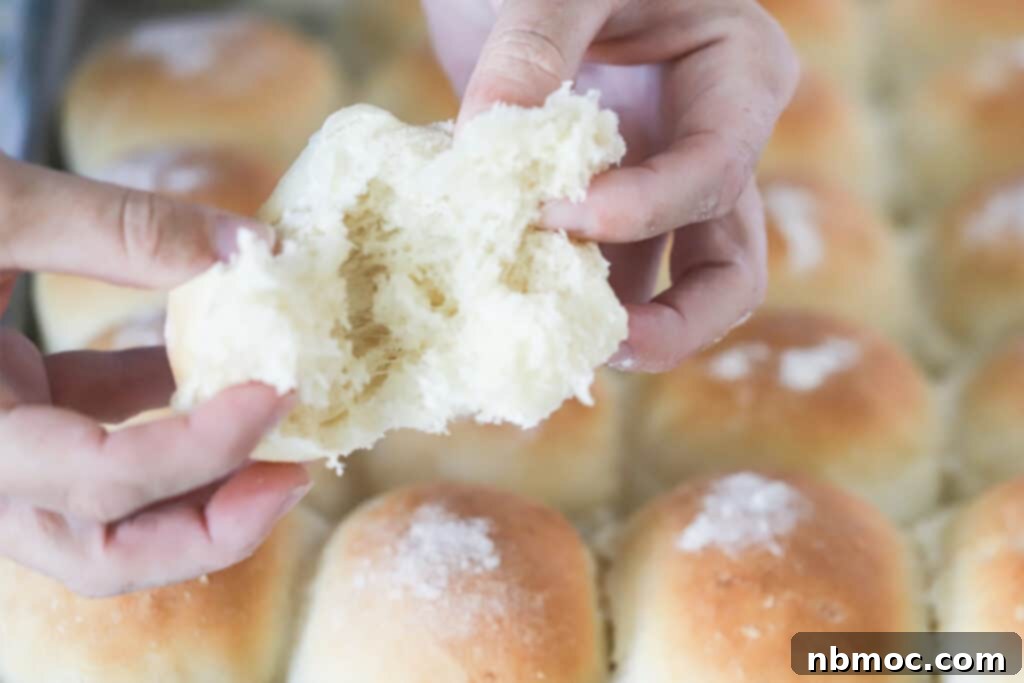
The secret to the unparalleled softness of potato rolls lies in the starches present in the mashed potatoes. When potatoes are cooked and mashed, their starch cells burst, releasing complex carbohydrates that absorb and hold moisture more effectively than flour alone. This additional moisture keeps the bread tender and moist, preventing it from drying out quickly. Furthermore, potato starches help to interfere with excessive gluten development, resulting in a lighter, more delicate crumb structure. The potatoes also contribute a subtle earthy flavor that complements the richness of the butter and milk, creating a truly irresistible dinner roll.
Can I use a bread machine for the dough?
Absolutely! If you own a bread machine, you can certainly use it to simplify the dough-making process. Simply add the liquid ingredients, followed by the dry ingredients (except for the melted butter for brushing), according to your bread machine’s instructions, typically liquids first. Select the “Dough” cycle. The machine will handle all the mixing and the first rise. Once the cycle is complete, remove the dough, punch it down, and then proceed with shaping the rolls and the second rise as outlined in steps 5 and 6 of our recipe. This is a great way to enjoy homemade potato rolls with minimal hands-on effort, perfect for busy schedules.
Storing and Reheating Your Potato Rolls
Proper storage and reheating ensure your potato rolls remain delicious long after they’ve cooled. Here’s how to keep them fresh:
- Room Temperature: Once completely cooled, transfer your baked potato rolls to an airtight container or a resealable freezer bag. Store them at room temperature for up to 3 days. Ensure the container is truly airtight to prevent them from drying out.
- Refrigerator: To extend their freshness slightly longer, you can store the cooled rolls in an airtight container or freezer bag in the refrigerator for up to 5 days. While refrigeration can sometimes alter texture, these potato rolls tend to hold up well due to their high moisture content.
- Freezer: For longer-term storage, baked rolls can be stored in heavy-duty freezer bags in the freezer for up to 2 months. To thaw, simply transfer them to the fridge overnight or place them on the countertop for a few hours. As mentioned in the FAQ, you can also freeze unbaked rolls in their baking dish, wrapped well in plastic wrap, for up to 1 month. When ready to bake, remove from the freezer for several hours to thaw and rise before baking as directed.
- To Reheat: To restore their warm, soft texture, you have a few options. For a single serving, a quick zap in the microwave for 15-30 seconds will warm them through. For a larger batch, preheat your oven to 300 degrees F (150 C). Place the rolls (or the entire pan of rolls) back into the oven for about 10 minutes, or until they are warmed through and delightfully soft again. Brushing with a little extra melted butter after reheating can also enhance their flavor and texture.
Unforgettable Potato Rolls Recipe
Pin
Rate
Ingredients
- 1/2 cup water, warm (about 110 degrees F / 43 degrees C)
- 1 tablespoon active dry yeast
- 1 tablespoon granulated sugar
- 1 cup milk
- 1 cup plain mashed potatoes, room temperature
- 1/2 cup unsalted butter, room temperature, softened
- 1 teaspoon salt
- 2 large eggs, room temperature
- 5-6 cups all-purpose flour
Finishing
- 1/4 cup unsalted butter, melted, for brushing
Instructions
- Preheat oven to 350 degrees F (175 C). Lightly grease 1-2 baking pans or sheets.
- In a small bowl, combine 1/2 cup warm water (105-115°F/40-46°C), 1 tablespoon active dry yeast, and 1 tablespoon granulated sugar. Stir and let sit for 5-10 minutes until the mixture becomes bubbly and foamy, indicating the yeast is active.
- Meanwhile, scald the milk: In a small pot, bring 1 cup milk to a boil, then immediately remove from heat. In the bowl of a stand mixer fitted with a dough hook, combine the cooled scalded milk, 1 cup room temperature mashed potatoes, 1/2 cup softened butter, and 1 teaspoon salt. Mix on low until combined. Allow the mixture to cool to lukewarm, then add the proofed yeast mixture and 2 large room temperature eggs.
- Add 2.5-3 cups (about half) of the all-purpose flour to the mixer bowl and mix on low speed until just combined. Gradually stir in the remaining 2.5-3 cups flour, ½ cup at a time, until the dough starts to pull away from the sides of the bowl. Once all flour is incorporated, continue to mix on medium speed for about 3 minutes to knead the dough. The dough should be soft and slightly tacky.
- Turn off the mixer, cover the bowl loosely with a clean kitchen towel or plastic wrap. Place in a warm, draft-free spot and let the dough rise until it has doubled in size and is light and puffy, approximately 30-45 minutes.
- Once the dough has doubled, gently punch it down to release the air. Transfer the dough to a lightly floured surface and divide it into 24 equal pieces. Roll each piece into a smooth ball and arrange them in your greased baking pans, spacing them so they are almost touching to encourage soft sides.
- Cover the shaped rolls loosely with a kitchen towel or plastic wrap. Let them rise again in a warm place for about 30 minutes, or until they have doubled in size and look visibly puffed.
- Bake in your preheated 350°F (175°C) oven for 15-18 minutes, or until the tops are golden brown and cooked through.
- Remove the rolls from the oven and let them cool in the pans for 1-2 minutes. Immediately brush the tops generously with 1/4 cup melted butter. Serve warm and enjoy these incredibly soft and buttery potato rolls!
Notes
Reheating: For a single serving, reheat in the microwave until warm. For a batch, place rolls in a 300°F (150°C) oven for about 10 minutes, or until thoroughly warmed through.
Nutrition
Disclaimer: Nutritional values were calculated using a third-party tool and are provided as an estimation only.
Sharing this recipe with a link is both encouraged and appreciated. Copying/pasting and/or screenshots of full recipes to any social media is strictly prohibited. Content and photographs are copyright protected.
Did you make this?
Don’t forget to leave a rating below and make sure to follow on Pinterest, Instagram and Tiktok for more!
Explore More Delicious Dinner Rolls and Bread Recipes
If these potato rolls have sparked your love for homemade bread, be sure to explore our other fantastic recipes. Each one is crafted to bring joy and flavor to your table, whether you’re looking for a quick option or a special occasion treat:
- Irresistible Pull Apart Garlic Bread
- Classic Homemade Crescent Rolls
- Hearty Whole Wheat Rolls
- Elegant Parker House Rolls
- Speedy Quick Dinner Rolls
- Nutty Einkorn Dinner Rolls
- Flavorful Garlic Knot Dinner Rolls
- Browse more inspiring Bread Recipes
- Discover delightful Holiday Recipes
This Potato Dinner Rolls recipe is more than just a list of instructions; it’s an invitation to create a truly memorable baking experience. The result is consistently soft, fluffy, buttery, and incredibly simple rolls that are perfect for making ahead of time. Their timeless appeal makes them an essential addition to any holiday menu, a comforting staple for weeknight dinners, and an impressive accompaniment for any special occasion. Enjoy the unparalleled taste and texture that only homemade potato bread can offer!