In an era where the cost of living feels perpetually on the rise, managing the household budget has become a top priority for families everywhere. Among the most significant and often frustrating expenses is the weekly grocery bill. It’s a common dilemma: groceries seem more expensive than ever, yet a substantial portion of the food we buy still ends up in the trash. This widespread issue not only impacts our wallets but also contributes to a larger environmental problem of food waste.
The average family in many regions finds themselves discarding hundreds of dollars’ worth of perfectly good food each month. This isn’t just an unfortunate outcome; it’s a drain on resources and a source of unnecessary financial stress. But what if we told you that you could dramatically reduce both your grocery expenses and your food waste without compromising on the quality, flavor, or nutritional value of your family meals? What if you could simplify your weeknights, reduce decision fatigue, and still serve delicious, comforting food that everyone loves?
The good news is that achieving this balance is entirely within reach. With a few deliberate and practical shifts in how we plan our meals, shop for ingredients, and cook our food, you can transform your kitchen into a hub of efficiency and savings. These proven, family-friendly strategies are designed to help you shop with intention, cook smarter, and ensure that every ingredient finds its purpose, leading to fewer uneaten leftovers and a significantly lighter impact on your budget. Whether you’re preparing just enough for a single meal or strategically doubling up to stock your freezer for future busy evenings, these insights will empower you to save money, minimize waste, and rediscover the joy of home cooking. Because real comfort food should not only taste good but also feel good for your wallet and the planet.
1. Master the “Kitchen Inventory” Before You Shop
Before you even begin to conjure up meal ideas or draft that crucial shopping list, the absolute first step towards a smarter grocery budget and less food waste is to conduct a thorough “kitchen inventory.” Think of this as your personal grocery store audit, right within the comfort of your home. This process is more than just a quick peek; it’s a systematic exploration of every corner of your culinary domain, from the back of the pantry to the deepest recesses of your freezer.
Start by asking yourself these essential questions to guide your “fridge forage,” ensuring you uncover every usable ingredient:
- What treasures are already lurking in your fridge, freezer, and pantry? Be comprehensive. This includes fresh produce, dairy products, various cuts of meat, canned goods, dry pasta, grains, spices, and even forgotten condiments. Make a mental or physical note of everything you have.
- Which items are nearing their expiration date or showing signs of needing to be used soon? These are your priority ingredients for the week’s meal plan. Wilting spinach, ripe bananas, an open jar of sauce, or a package of ground meat with an approaching “use by” date should be flagged for immediate incorporation.
- What can serve as the foundational “starting point” for this week’s meals? Perhaps you have a pack of chicken thighs, a large bag of rice, a can of chickpeas, or some versatile root vegetables. These existing items can inspire entire meals and help you avoid buying unnecessary duplicates or impulse items.
By consistently taking this critical first step, you accomplish several vital goals: you prevent the frustration of buying items you already possess, you ensure that valuable food doesn’t go bad forgotten in the back of your fridge, and you spark culinary creativity by challenging yourself to build meals around existing resources. This simple habit can dramatically cut down on impulse purchases and reduce the likelihood of food spoilage, laying the groundwork for substantial savings and more mindful consumption.
✅ Pro Tip: Treat your kitchen like a well-stocked mini-supermarket. By diligently “shopping” your own shelves, fridge, and freezer first, you prioritize existing ingredients. This strategy not only saves money but also declutters your mind by reducing decision fatigue when it comes to meal planning. Keep a running list of what you have to make this even easier.
2. Craft a Flexible Meal Plan Centered on Existing Ingredients
Once you’ve taken stock of your kitchen inventory, the next powerful step is to build a meal plan that maximizes what you already own. Forget the daunting and often unsustainable task of planning seven brand-new, elaborate meals each week. Instead, embrace simplicity and flexibility. A sustainable approach involves rotating a few of your family’s tried-and-true favorites and introducing only one or two new recipes to keep things interesting without overwhelming yourself or your budget. A smart strategy also includes designating at least one “pantry meal” each week, utilizing ingredients that are typically shelf-stable or frozen. This could be a comforting casserole, a quick pasta bake, or a hearty soup – whatever aligns with your existing inventory and minimizes the need for extra grocery runs.
To implement this effective meal planning strategy, consider these actionable steps:
- Select 2–3 versatile main proteins or base ingredients for the week. These should be budget-friendly options like ground turkey, chicken thighs, canned beans, lentils, a whole chicken, or a large cut of meat that can be cooked once and used multiple times. The key is choosing items that lend themselves to various culinary applications and can be easily stretched.
- Plan meals that skillfully “remix” these core ingredients throughout the week. Instead of thinking of individual, standalone recipes, think about component cooking. For example, if you cook a large batch of shredded chicken, it can transform into chicken tacos one night, be used for quesadillas for lunch the next day, become a topping for a fresh salad, or a filling for burritos. Your family won’t even realize they’re eating the “same” ingredient, thanks to different flavor profiles, textures, and presentations.
- Keep side dishes simple, repeatable, and nutrient-rich. Rely on versatile options like roasted seasonal vegetables, brown or white rice, quinoa, or a fresh green salad. Don’t shy away from frozen vegetables here; they are often just as nutritious, incredibly convenient, and significantly reduce waste since you only use what you need. Frozen broccoli, peas, corn, or mixed vegetables can be quickly steamed, roasted, or added to stir-fries, ensuring your family receives essential nutrients without the pressure of fresh produce spoiling.
By adopting this flexible meal planning approach, you’ll not only save a substantial amount of money by purchasing less and making smarter choices, but you’ll also drastically reduce stress by simplifying your dinner routine. More importantly, you’ll minimize food waste by intelligently using up what you already have, ensuring that ingredients are valued, consumed, and contribute to delicious family meals rather than being discarded.
3. Master the Art of Ingredient Duplication and Versatility
One of the most powerful and often overlooked strategies for saving money and significantly reducing food waste is to embrace ingredient duplication. This isn’t about eating the same boring meal every night; it’s about culinary brilliance achieved through versatility and resourcefulness. By intentionally selecting ingredients that can be used in multiple, distinct ways, you maximize their value, simplify your shopping list, and ensure that nothing goes to waste, making your grocery budget go further.
Consider these examples of how to ingeniously duplicate and repurpose common, budget-friendly ingredients, transforming them into various delicious dishes throughout the week:
- Spinach: This leafy green is incredibly adaptable and nutrient-packed. Sauté a handful into your morning eggs or an omelet for a quick nutritional boost. Stir a generous amount into pasta sauces, soups, or stir-fries during the last few minutes of cooking. For a healthier twist, blend fresh or slightly wilted spinach into smoothies – the flavor is barely detectable, but the nutrient content skyrockets. If your spinach is looking a little sad or past its prime for salads, don’t throw it out! It’s perfectly suited for blending or cooking, or you can even freeze it in portions for future smoothies or cooked dishes.
- Chickpeas: A true pantry powerhouse, chickpeas are versatile, affordable, and rich in protein and fiber. Mash them with avocado, lemon juice, and your favorite seasonings for a delicious, plant-based sandwich filling or “tuna” salad alternative. Roast them with spices like paprika, cumin, and garlic powder for a crunchy, healthy snack that beats potato chips. Or, stir them into a flavorful curry, stew, or soup for added texture and a significant protein boost.
- Tortillas: Beyond their obvious use for tacos and burritos, tortillas are incredibly versatile. Use them as convenient wraps for quick lunches or snacks. Create quick and cheesy quesadillas, a family-friendly favorite. You can even use larger tortillas as a thin, crispy base for a homemade personal pizza crust or cut them into wedges and bake for homemade tortilla chips.
- Cooked Chicken: Once you’ve roasted or shredded a whole chicken or a batch of chicken breasts, the possibilities are endless. Beyond transforming into tacos and quesadillas, use it in chicken salads, pasta dishes, comforting soups (like a classic chicken noodle), enchiladas, or as a protein topping for grain bowls and baked potatoes.
- Bell Peppers: These colorful vegetables are not only beautiful but also highly adaptable. They can be sliced for raw dipping with hummus or ranch, diced into stir-fries, roasted alongside other vegetables, stuffed with grains and meat for a hearty main course, or blended into sauces and purees for added flavor and nutrients.
The beauty of ingredient duplication lies in its efficiency and cost-effectiveness. It encourages you to buy a single, versatile item and envision its journey through several meals, ensuring that every bit is used before it has a chance to spoil. This approach not only shrinks your grocery list but also hones your skills as a resourceful, creative, and budget-conscious home cook.
✨ Inspiration: “You don’t need a new recipe every night—you just need a new spin on the ingredients you love.” By rethinking how you use staples, you unlock a world of culinary possibilities without constant trips to the store or a rapidly shrinking budget.
4. Befriend Your Freezer: The Ultimate Food Waste Pause Button
Consider your freezer not just a cold storage unit, but a sophisticated “pause button” for food waste and a powerful tool for strategic meal preparation. Mastering the art of freezing can revolutionize your kitchen habits, ensuring that perishable ingredients are saved from spoilage, delicious meals are always on hand for busy days, and your budget stays firmly intact. It’s an indispensable ally in the quest for efficient, budget-friendly, and waste-free cooking.
Here’s how to make your freezer an integral and active part of your culinary strategy, transforming it into your most reliable kitchen companion:
- Preserve Perishables with Purpose: Don’t let fresh ingredients go to waste simply because you didn’t use them in time. Freeze chopped vegetables like onions, bell peppers, carrots, or celery in measured portions for future stir-fries, soups, or casseroles. Overripe bananas are perfect for freezing (peeled and sliced) to be used later in smoothies, banana bread, or healthy ice creams. Fresh herbs can be finely chopped and frozen in olive oil or water in ice cube trays, creating convenient flavor bombs ready to pop into hot dishes. Even egg whites can be frozen for later use in meringues or omelets.
- Double Up and Freeze Half: Whenever you’re cooking a freezable meal – think lasagna, chili, a hearty soup, stew, casserole, or even pancakes – make a conscious effort to double the recipe. Enjoy one portion now and freeze the other half in a clearly labeled, airtight, freezer-safe container. This simple act provides you with a homemade, ready-to-eat meal for a future busy night, saving you precious time, reducing stress, and eliminating the temptation of expensive takeout. It’s an investment in your future self!
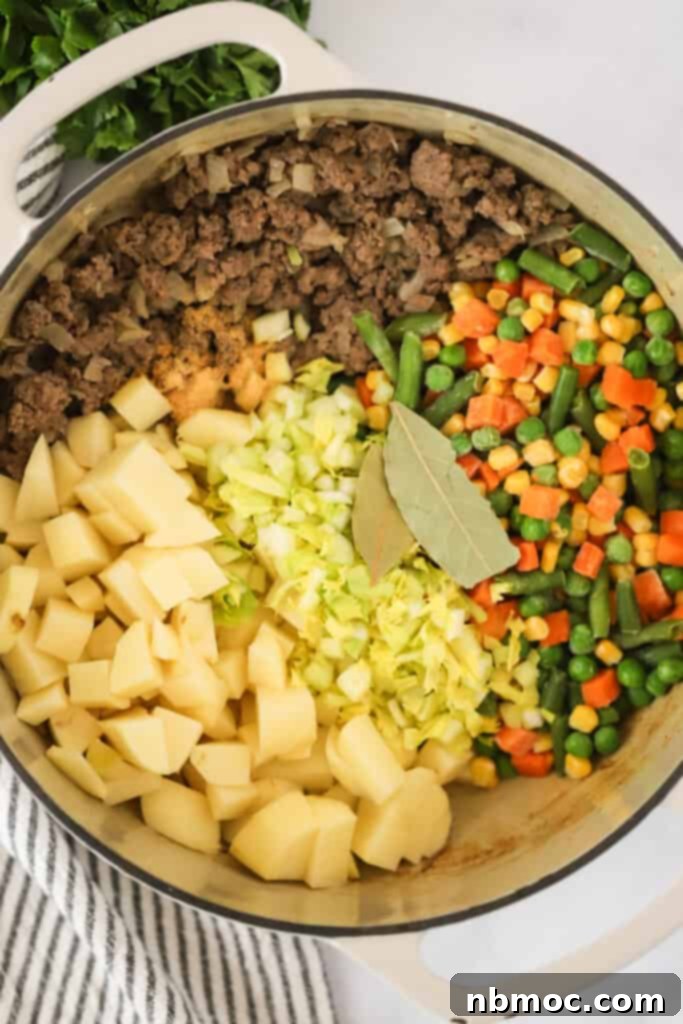
- Create “Clean-Out Soups” and Resourceful Broths: This is where true zero-waste magic happens. Keep a designated container or freezer bag specifically for vegetable scraps (onion peels, carrot tops, celery ends, mushroom stems) and any leftover meat bones. Once full, these can be transformed into incredibly flavorful homemade broths or stocks, adding depth to future meals. Similarly, any small portions of leftover cooked ingredients – a scoop of rice, a few roasted vegetables, a bit of shredded chicken, or a partial can of beans – can be tossed into a larger labeled container. When this “bits and bobs” container is full, simmer everything together with some broth and seasonings for a unique and delicious “cleanout soup” (like a hearty Minestrone or Ground Beef Soup, adapted to your specific ingredients), preventing any precious morsel from going to waste.
To maximize the utility of your freezer, invest in clear, freezer-safe containers and a robust labeling system (including the date and content are crucial). If you can easily see what you have, you’re far more likely to remember it’s there and actually incorporate it into your meal plan. This small organizational effort ensures your frozen assets remain a vibrant and utilized part of your cooking, rather than a forgotten graveyard of good intentions. Your freezer is an extension of your pantry, a source of ready-made meals, and a powerful tool in your budget-saving arsenal.
5. Implement a Weekly “Zero-Waste Dinner” or “Fridge Forage Night”
This strategy is arguably your most powerful secret weapon against food waste and an ingenious way to keep your grocery bill firmly in check. Designating one night a week as your “zero-waste dinner” or “fridge forage night” is a commitment to cooking exclusively with what you already have on hand, specifically targeting those odds and ends that might otherwise be overlooked or discarded. It’s a creative challenge that yields surprisingly delicious results and immense personal satisfaction.
On this designated evening, make a pact with yourself to skip the grocery store entirely and instead, unleash your culinary creativity using only the scraps, small portions of leftovers, and nearing-expiration ingredients from your fridge, freezer, and pantry. This isn’t about compromising on flavor; it’s about innovative resourcefulness. Here are some inspiring ideas for turning seemingly disparate ingredients into a cohesive, enjoyable meal:
- The Ultimate Scrap Stir-Fry: Gather any leftover cooked meats (chicken, beef, tofu), wilting vegetables (broccoli florets, bell pepper strips, green beans, mushrooms, cabbage), and a handful of quick-cooking noodles or rice. Toss them together with a simple homemade sauce made from soy sauce, ginger, garlic, and a touch of honey or maple syrup for a flavorful, incredibly fast, and truly custom meal.
- Leftover Pasta Creation: Combine the last bits of various cheeses, any wilting greens (spinach, kale, arugula), a few cherry tomatoes, and maybe a spoonful of leftover cooked chicken, sausage, or roasted vegetables with your preferred pasta. A quick sauce can be made from canned tomatoes, a drizzle of olive oil with garlic and chili flakes, or a simple pesto.
- Creative Soup or Frittata: Any roasted vegetables, cooked grains (quinoa, rice, farro), or small amounts of cooked proteins (shredded ham, crumbled sausage) can be transformed into a hearty and warming soup with the addition of vegetable or chicken broth. Alternatively, whisk them into a few eggs for a versatile frittata or quiche, perfect for dinner or even a subsequent breakfast or brunch.
- “Everything but the Kitchen Sink” Rice Bowl or Salad: Layer a base of cooked rice or fresh leafy greens with various bits and bobs from your fridge: roasted sweet potatoes, a spoonful of black beans, some diced avocado, a hard-boiled egg, leftover corn, and a drizzle of homemade dressing. This allows for endless customization and ensures every last ingredient is utilized.
This weekly ritual isn’t just about saving money and preventing waste; it’s also a fantastic way to sharpen your improvisational cooking skills. It encourages you to think outside the recipe box, experiment with flavor combinations, and develop a deeper appreciation for the ingredients you already possess. The satisfaction of transforming forgotten items into a delicious, nourishing meal is genuinely rewarding and makes you feel incredibly resourceful and accomplished.
6. Adopt the Philosophy: Buy Less, Use More – Intentionally
At the heart of significantly reducing your grocery bill and virtually eliminating food waste lies a fundamental shift in mindset: moving from mindless consumption to intentional resourcefulness. The truth for many households is that we often don’t need *more* food; what we truly need is a more effective plan for the food we already have and a smarter, more conscious approach to acquiring new ingredients. You absolutely can feed a family delicious, nutritious meals on a budget without constantly relying on instant noodles or frequent, expensive fast-food runs. It’s about empowering yourself with practical knowledge and actionable strategies.
This powerful philosophy is built upon three core pillars that will transform your kitchen habits and your budget:
- Buy Ingredients, Not Just Products: Shift your focus from purchasing pre-made, convenience products (which often carry a significant markup and may contain unnecessary additives) to buying versatile, raw, and foundational ingredients. For example, instead of pre-cut vegetables, buy whole vegetables and chop them yourself – it’s cheaper and fresher. Instead of ready-made sauces, buy the foundational components like canned tomatoes, spices, and fresh herbs to create your own bespoke sauces. This not only saves money but also gives you greater control over the quality, freshness, and healthfulness of your meals.
- Cook Once, Eat Twice (or More): Embrace the power of batch cooking and strategic meal prepping. When you’re making a dish like chili, soup, a large roast, a casserole, or a grain like quinoa, intentionally prepare a larger quantity than needed for a single meal. Portions can then be enjoyed as delicious leftovers for lunch or dinner, cleverly repurposed into entirely new dishes later in the week, or frozen for future consumption. This strategy saves valuable time and energy on busy weeknights, ensuring a homemade meal is always just a reheat away, preventing those last-minute, expensive takeout decisions.
- Know How to Stretch What You Already Have: This involves developing a keen eye for maximizing the life and utility of your ingredients. Learn how to store produce correctly to extend its freshness (e.g., storing herbs like flowers in water, keeping apples separate from other fruits). Understand how to revive slightly wilted vegetables (e.g., soaking crisp greens or celery in ice water). Transform vegetable scraps and meat bones into incredibly flavorful homemade broths or stocks. Turn stale bread into croutons, breadcrumbs, or French toast. These small, consistent acts of resourcefulness cumulatively lead to significant savings and a profound reduction in waste, contributing to a more sustainable kitchen.
By consciously adopting the “buy less, use more” approach, you become a more mindful consumer and a more efficient, creative home cook. It’s a sustainable way of living that honors your budget, prioritizes your family’s health, and minimizes your environmental impact, proving that abundance in the kitchen doesn’t equate to endless purchasing, but rather intelligent utilization and careful planning.
7. Optimize Portions: Cook Just Enough, or Cook Once and Repurpose
One of the most disheartening and financially wasteful culprits in many kitchens is the cycle of making too much food, especially when your family simply doesn’t eat leftovers. If you’ve ever found yourself scraping untouched casserole or a large serving of pasta into the trash the morning after, feeling a pang of guilt (and recognizing the wasted money), then this section is specifically designed for you. Learning to optimize your cooking quantities is paramount to minimizing waste, maximizing your grocery budget, and reducing kitchen stress.
Strategies if Your Family Doesn’t Eat Leftovers:
For families where untouched leftovers are a common sight, the primary goal is to cook only what will be consumed in a single sitting. This requires a more precise and mindful approach to meal preparation, moving away from large-batch cooking for every meal:
- Scale Recipes Down Accurately: Don’t be afraid to cut recipes in half or even quarter them, especially for dishes that don’t freeze well, lose their appeal when reheated, or aren’t typically popular as leftovers in your household. Adjust all ingredients proportionally based on the actual number of people you’re feeding and their typical appetites.
- Implement “Family Serving Math”: Develop an understanding of realistic portion sizes for your specific household. A general guideline might be ¾ cup of cooked pasta per adult, ½ cup for children, and 2–3 ounces of cooked protein per person. These are merely starting points that you can fine-tune based on your family’s specific needs and eating habits, reducing guesswork and waste.
- Focus on Simpler, Single-Meal Dishes: Prioritize meals that naturally lend themselves to being cooked fresh and consumed entirely at one sitting. Examples include grilled chicken or fish with fresh vegetables, individual skillet meals, sheet pan dinners where everyone gets a tailored portion, or quick stir-fries.
- Consider Individual Portions from the Start: Instead of making one large, communal dish, think about preparing meals in individual-sized containers or portions. This allows everyone to have their fill without a large, tempting dish being picked at and then ultimately discarded due to lack of enthusiasm.
Strategies if Your Family Enjoys Leftovers or You Want to Meal Prep:
If your family *does* appreciate leftovers, or if you’re actively looking to reduce cooking frequency and embrace meal prepping, then the “cook once, eat twice (or more)” method is your best friend. This is where batch cooking truly shines as a time-saver and waste reducer.
- Strategic Doubling and Tripling: For freezable and family-favorite meals like soups, stews, chilis, casseroles, or large roasts, intentionally double or even triple the recipe. Serve one portion fresh for dinner, and immediately store or freeze the rest in clearly labeled, airtight, freezer-safe containers for convenient future meals.
- Repurpose, Don’t Just Reheat: To keep leftovers exciting and prevent “leftover fatigue,” think about how you can creatively transform them into new dishes. Leftover roast chicken can become the star of tacos, a hearty salad topping, a comforting soup ingredient, or a flavorful sandwich. Cooked rice can be turned into delicious fried rice or form the base of a quick grain bowl. This makes leftovers feel like a fresh meal, not just a repeat.
- Utilize Individual Freezing for Flexibility: If you’re cooking a large dish but want the flexibility of single servings, portion it out into individual containers before freezing. This allows family members to grab exactly what they need, minimizing waste and ensuring variety.
💡 Example: Instead of a massive lasagna that might go uneaten or become tiresome after a few days, prepare individual lasagna portions in muffin tins or mini loaf pans. These can still be frozen individually, offering incredible convenience without committing your family to a week of the same sad second servings. This approach caters to diverse preferences while still allowing for efficient batch cooking and minimizing the potential for waste.
By thoughtfully managing portions and deeply understanding your family’s eating habits, you can virtually eliminate the frustrating cycle of food waste and stretch your grocery budget further than you thought possible. It’s about being mindful, intentional, and making every meal count, ensuring both delicious food and financial peace of mind.

Ready to put these smart strategies into action and transform your kitchen? Explore some of our curated recipe roundups that are designed with budget, convenience, and minimal waste in mind. These resources are packed with ideas to inspire your next delicious, economical meal:
- 20+ Creative & Economical Pantry Meals to Save You Time and Money
- 70+ Delicious & Cheap Dinner Ideas for Families on a Budget
- Nourishing & Healthy Dinner Ideas Without Breaking the Bank
Make Smart Eating Easy and Sustainable
The journey to cutting your grocery bill and significantly reducing food waste isn’t about deprivation, sacrifice, or eating bland, uninspiring meals. On the contrary, it’s about making deliberate, intelligent choices that lead to feeding your family better, smarter, and with remarkably more ease. It’s a fundamental shift from reactive, last-minute cooking to proactive, thoughtful meal management, ultimately transforming your kitchen into a hub of efficiency, creativity, and deliciousness.
You don’t need an endless repertoire of 21 different complicated meals each week, nor do you need to be a gourmet chef to achieve these valuable goals. What you truly need is one robust, adaptable strategy for meal planning and grocery shopping, coupled with a clear understanding of your kitchen inventory and your family’s unique needs. The ultimate aim is to cultivate a cooking environment that doesn’t leave you feeling guilty about forgotten ingredients or wasted food, but rather empowered, in control, and proud of your resourcefulness.
Embracing these mindful cooking and smart shopping habits will not only save you a significant amount of money each month, redirecting those funds to other priorities, but it will also free up your precious time and mental energy. It simplifies your weekly routine, drastically reduces decision fatigue, and allows you to genuinely enjoy the process of nourishing your family without the constant stress of escalating costs or impending food spoilage. Imagine the peace of mind that comes with knowing you have delicious, healthy meals planned and available, all while sticking to your budget.
You absolutely have the power to make these positive changes in your household, no matter how daunting it may seem at first. Start small, implement one tip at a time, and watch the transformation unfold in your kitchen and your finances. We are here to help guide you every step of the way, providing the insights, inspiration, and practical tools you need to succeed. Remember, real comfort food should not break the bank; it should bring joy, nourishment, and profound peace of mind to your home and your family.