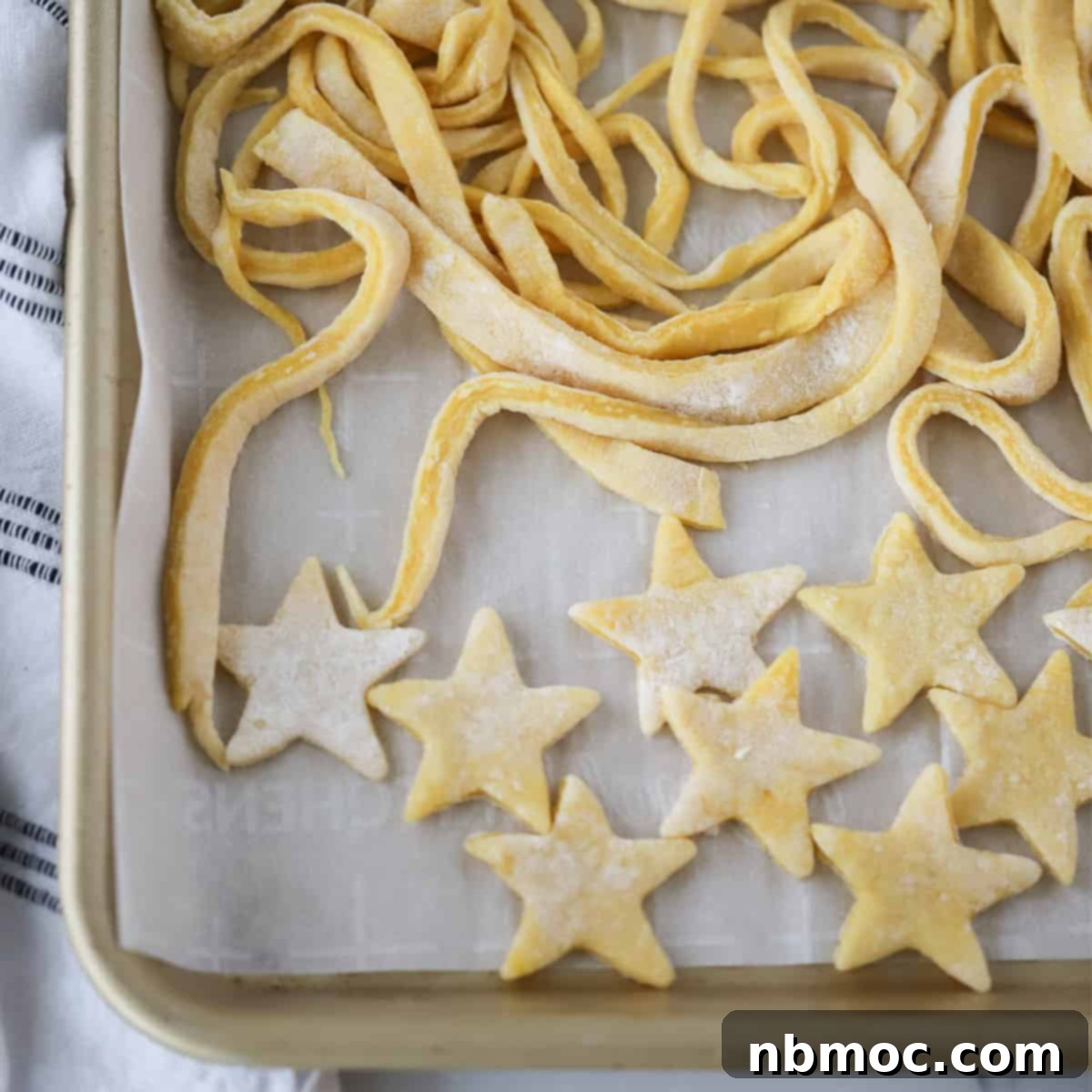
There’s nothing quite like the comforting taste and satisfying texture of fresh, homemade pasta. This simple Homemade Egg Noodles recipe is your gateway to creating exceptionally chewy and flavorful noodles using just a few basic ingredients. Forget the dry, store-bought varieties; these tender noodles are a game-changer for your favorite soups, hearty stews, classic beef stroganoff, or even as a delightfully simple side dish tossed with rich butter and grated Parmesan cheese.
Embark on a culinary journey to master the art of making egg noodles from scratch. Our comprehensive guide will walk you through every step, from mixing the perfect dough to rolling, cutting, and cooking your fresh pasta. We’ll also share invaluable tips for making them ahead of time and even freezing them for future indulgence. All you need are pantry staples: a little flour, a pinch of salt, some cold water, and the essential eggs to bring these incredible noodles to life.
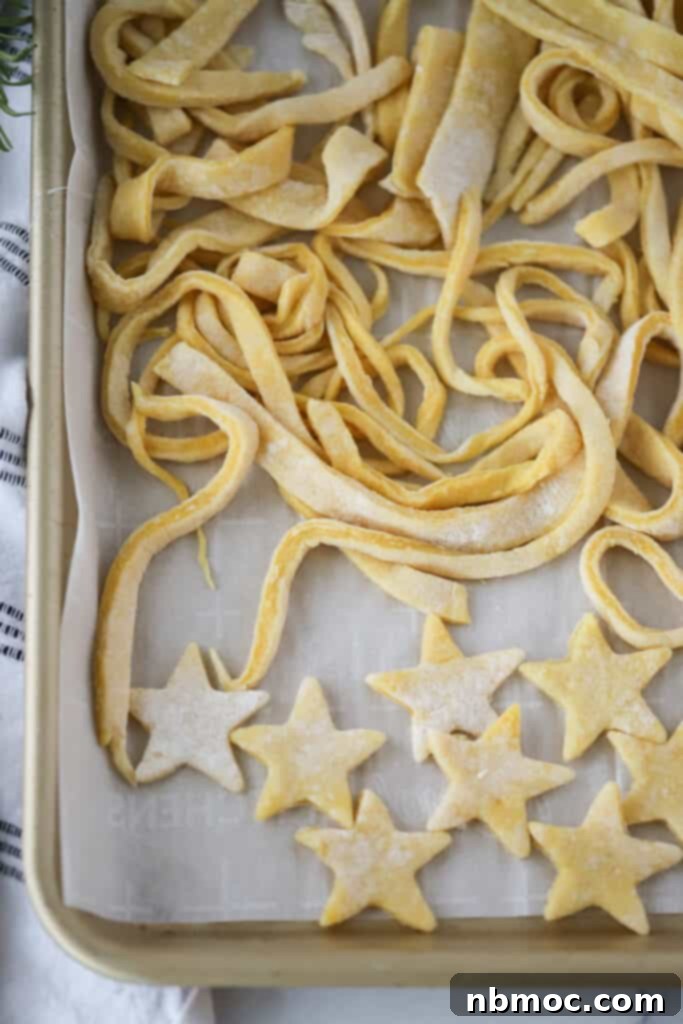
Homemade Egg Noodles: A Simple and Flavorful Delight
Imagine the incredible satisfaction of serving a dish featuring fresh, homemade noodles that you crafted with your own hands. It might sound intimidating, but with just a handful of ingredients and a surprisingly short amount of time, you can achieve this culinary feat. These homemade egg noodles are a far cry from the often bland and brittle dried noodles found in grocery aisles. They boast an unparalleled tender chewiness, a rich, eggy flavor, and are remarkably easy to prepare, making them a perfect project for any home cook, regardless of experience level.
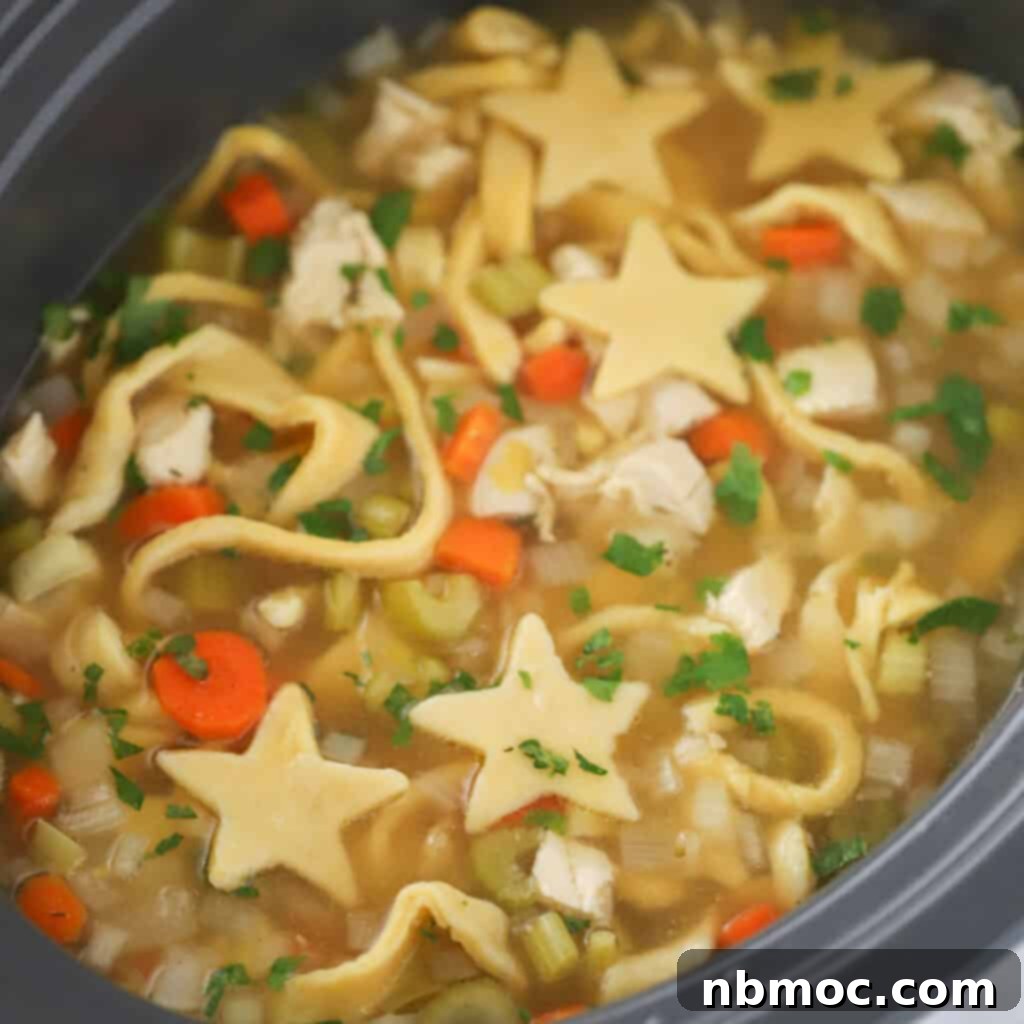
This particular egg noodle recipe is designed to be virtually foolproof. You don’t need any specialized equipment – just a spacious mixing bowl, a rolling pin, and a sharp knife. The magic truly happens with simple, high-quality ingredients: flour, fresh eggs, a touch of salt, and cold water. Their versatility is unmatched; add these delightful noodles to comforting Chicken Noodle Soup, any other hearty soups or savory stews, or serve them as the perfect accompaniment to a creamy Beef Stroganoff. For a quick and easy side, simply toss them with a generous knob of butter and a sprinkle of Parmesan cheese. When incorporating them into soups, there’s no need to pre-cook; just add the fresh noodles directly to your simmering pot during the final few minutes of cooking, and they’ll absorb all those wonderful flavors.
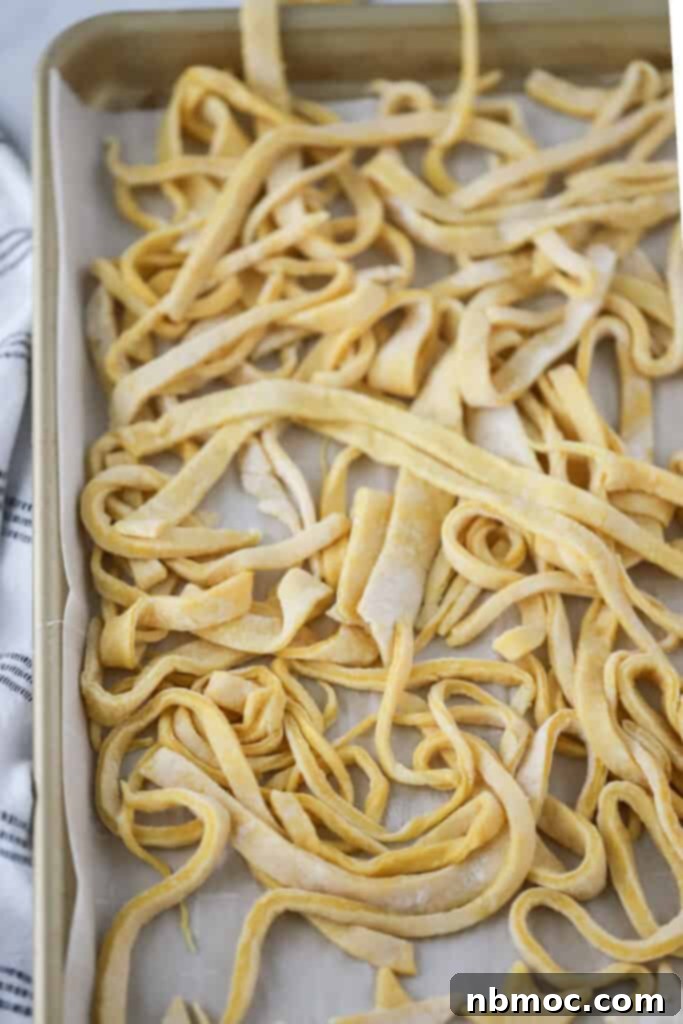
Key Ingredients for Perfect Egg Noodles
Crafting exceptional egg noodles begins with selecting the right ingredients. Here’s a closer look at what you’ll need and why each component is vital:
- All-Purpose Flour: This is the backbone of your noodles. We recommend using about 2 cups for the initial dough, but always keep extra on hand. A little additional flour is essential to prevent stickiness during kneading, rolling, and cutting, ensuring your noodles achieve the perfect texture without becoming gummy. While other flours can be used, all-purpose provides a great balance of structure and tenderness.
- Eggs: The star of the show! This recipe calls for a combination of both egg yolks and a whole egg. The extra yolks contribute to the rich, golden color and the wonderfully chewy texture that defines classic egg noodles. Opt for high-quality, fresh eggs if possible; the better the eggs, the more vibrant and flavorful your finished noodles will be.
- Salt: Essential for enhancing the overall flavor of your noodles. Sea salt or kosher salt works beautifully. It’s not just about taste; salt also plays a role in the dough’s structure.
- Cold Water: Using cold water helps to control the gluten development in the dough, preventing it from becoming too elastic or tough. Start with the recommended amount and add more gradually, only if necessary, to achieve the ideal dough consistency.
Crafting Your Own Egg Noodles: A Step-by-Step Guide
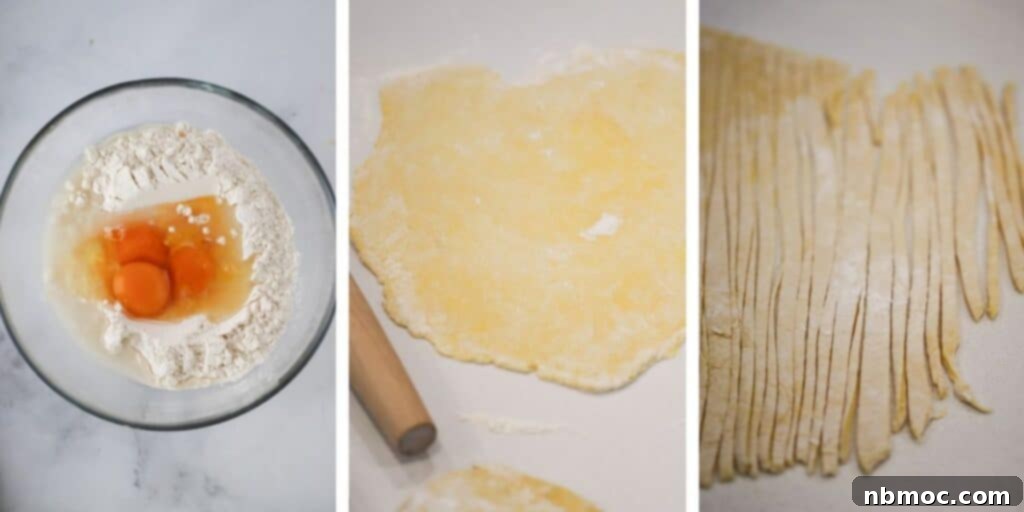
- Prepare the Dough Mixture: Begin by combining the dry ingredients. In a large mixing bowl, add the all-purpose flour and salt, then whisk them together thoroughly to ensure even distribution. In a separate, smaller bowl, whisk together the egg yolks, the whole egg, and 3 tablespoons of cold water until well combined. Create a “well” in the center of your flour mixture – a small depression in the middle. Pour the whisked egg mixture into this well.
- Form the Dough: Using your hands, gradually incorporate the flour and salt from the sides into the wet egg mixture in the center. Mix and combine until a shaggy dough ball starts to form. If the dough seems too dry and isn’t coming together, add another tablespoon of cold water, one teaspoon at a time, to help collect any remaining loose flour. The goal is a dough that holds together but may still be slightly sticky.
- Knead for Smoothness: Transfer the dough to a lightly floured countertop or a clean, flat surface. Knead the dough vigorously for about 5-7 minutes. This process develops the gluten, resulting in chewy noodles. If the dough becomes too sticky to handle, add a very small amount of additional flour, about a tablespoon at a time, until it is smooth, elastic, and no longer sticks to your hands or the counter. The dough should feel firm but pliable.
- Roll Out the Dough: Lightly flour your counter again and place the kneaded dough ball in the center. Using a rolling pin, begin to roll out the dough, working from the center outwards. Rotate the dough periodically to maintain an even thickness. Continue rolling until the dough is uniformly thin, approximately 1/8 inch thick. For a thinner, more delicate noodle, you can roll it even thinner to about 1/16 inch. Remember to lightly flour both the counter and your rolling pin as needed to prevent the dough from sticking.
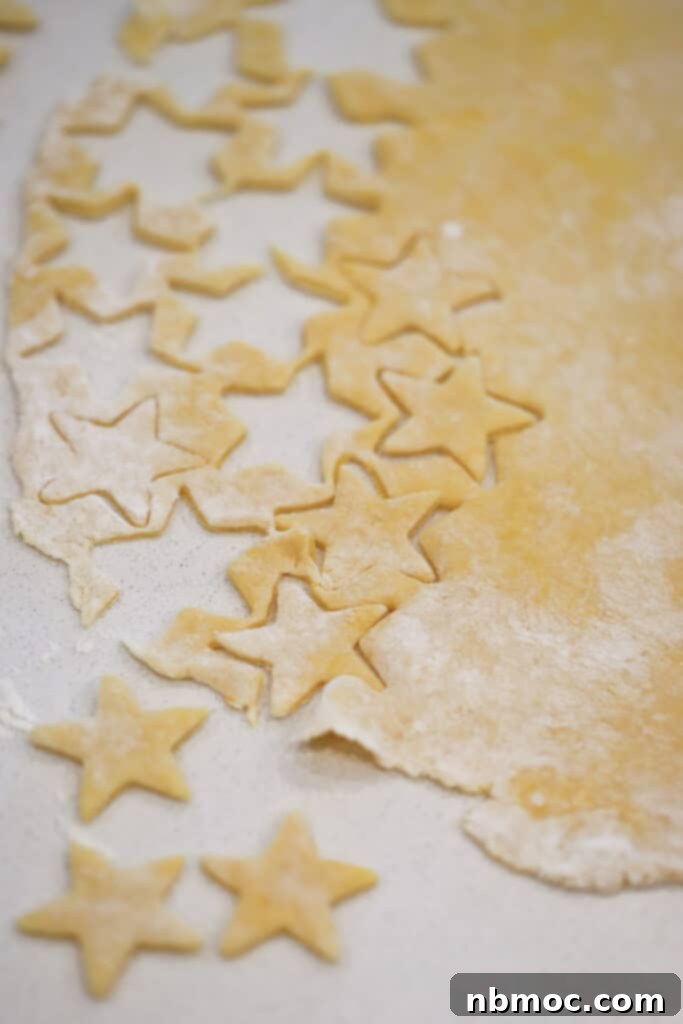
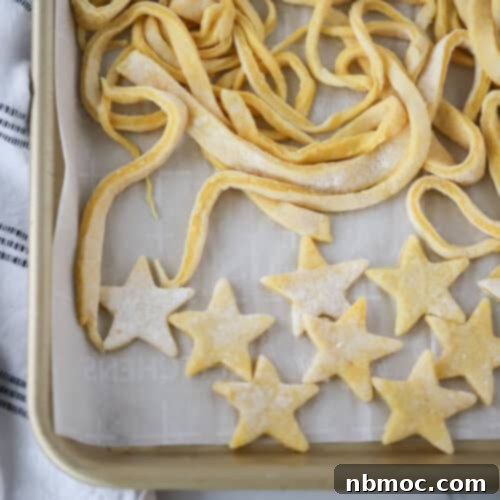
- Cut and Dry the Noodles: Once your dough is rolled to the desired thickness, it’s time to cut the noodles. Use a sharp knife or a pizza cutter to cut the pasta into strips of your preferred width – traditional egg noodles are usually about 1/4 to 1/2 inch wide. For a playful touch, you can even use cookie cutters to make fun shapes! After cutting, gently gather the noodles with your fingers to separate and loosen them. Spread them out on the counter or a baking sheet (lightly dusted with flour) and allow them to dry for 20-30 minutes before cooking. This brief drying period helps prevent them from sticking together during boiling and improves their texture.
- Boil the Noodles: While your noodles are drying, bring a large pot of heavily salted water to a rolling boil. Fresh pasta cooks much faster than dried pasta, so be attentive.
- Cook and Serve: When the water is boiling rapidly and you’re ready to cook, carefully add the fresh egg noodles to the pot. Cook for approximately 5-12 minutes, or until they are tender yet still have a pleasant chew (al dente). The exact cooking time will depend on the thickness of your noodles and how long they’ve dried. Remove the cooked egg noodles using a slotted spoon or by draining the water through a colander. Serve immediately with your desired sauce, soup, or as a flavorful side dish. Enjoy the fruits of your labor!
Frequently Asked Questions About Homemade Egg Noodles
Absolutely! You have a couple of excellent options for preparing egg noodles in advance. You can make the dough, wrap it tightly in plastic wrap, and store it in the refrigerator overnight or even freeze it for up to a month. Alternatively, you can roll out and cut the noodles, allow them to dry on the counter for 20-30 minutes, then transfer them to freezer bags. These can be stored in the refrigerator for a few days or in the freezer for up to two months, ready for cooking whenever you need them.
Not at all! While a pasta machine can certainly make the rolling process quicker and achieve a very uniform thickness, it is by no means essential. Our recipe is designed to be made entirely by hand using just a rolling pin and a sharp knife or pizza cutter. With a bit of elbow grease and patience, you can achieve beautifully thin and consistent noodles manually. The key is to flour your surface and rolling pin adequately and work steadily.
While it’s not strictly mandatory, allowing your freshly cut egg noodles to dry for 20-30 minutes before cooking is highly recommended. This brief drying period helps to firm up the pasta, preventing the noodles from sticking together when they hit the boiling water. It also helps them maintain their shape and develop a better texture. If you plan on storing the noodles (either in the fridge or freezer), drying them first is crucial to prevent them from clumping. If you have pasta drying racks, they work wonderfully, but simply spreading them out on a lightly floured countertop works just as well.
If you find your dough stubbornly shrinking back as you try to roll it out, it means the gluten in the dough is too tight and needs to relax. This often happens after intensive kneading or if the dough hasn’t rested enough. The simple fix is to cover the dough loosely with a clean towel or plastic wrap and let it rest on the counter for 5-10 minutes. This resting period allows the gluten strands to relax, making the dough much easier to roll out without resistance.
Yes, absolutely! You can freeze both uncooked egg noodle dough and uncooked, cut noodles. To freeze the dough, wrap it tightly in plastic wrap, then place it in a freezer bag for up to 2 months. For uncooked noodles, allow them to dry on the counter for about 30 minutes, then toss them lightly with flour to prevent sticking, and transfer them to freezer bags. They can be frozen for up to 2 months. To cook from frozen, you can transfer them to the fridge overnight to thaw or pull them out to room temperature for 20-30 minutes before cooking as directed in the recipe.
Fresh pasta cooks significantly faster than its dried counterpart, so it’s essential to keep a close eye on your noodles. The exact cooking time for homemade egg noodles can vary quite a bit depending on several factors: how long you allowed the pasta to dry, the thickness to which you rolled and cut the pieces, their overall size, and the quantity you are cooking simultaneously. Generally, fresh egg noodles will be tender and ready to enjoy anywhere from 5 to 12 minutes after being added to boiling water. Always taste-test a noodle for desired doneness.
Storing and Make-Ahead Instructions for Fresh Egg Noodles
Making a batch of homemade egg noodles can be a rewarding experience, and knowing how to store them properly ensures you can enjoy their fresh goodness over time. Here are the best practices for storing and prepping your noodles in advance:
- Refrigerator Storage (Cooked): If you have leftover cooked egg noodles, allow them to cool completely. Then, transfer them to an airtight container and store them in the refrigerator for up to 2 days. For best results, lightly toss them with a little olive oil before storing to prevent sticking.
- Make-Ahead (Uncooked, Refrigerated): To prep uncooked noodles ahead of time, first roll and cut them as instructed. Crucially, let them dry on the counter for at least 30 minutes. Once slightly dry, you can transfer them to an airtight container or a sealed freezer bag. They will keep well in the refrigerator for up to 3 days before you cook them. This allows for convenient meal planning throughout the week.
- Freezer Storage (Dough): For longer storage, you can freeze the homemade pasta dough itself. After kneading, wrap the dough ball thoroughly in plastic wrap, ensuring no air can reach it. Then, place it in a freezer-safe bag. It will store beautifully in the freezer for up to 2 months. When you’re ready to use, thaw the dough overnight in the refrigerator before rolling and cutting.
- Freezer Storage (Uncooked Noodles): To freeze uncooked, cut noodles, spread them out on a lightly floured baking sheet and freeze for about 30 minutes until firm. This step prevents them from sticking together. Once partially frozen, transfer the noodles to freezer bags, removing as much air as possible. They can be stored in the freezer for up to 2 months. Cook directly from frozen, adding a few extra minutes to the boiling time.
Homemade Egg Noodles Recipe
The Carefree Kitchen
This simple homemade egg noodle recipe uses just a few ingredients to make the most chewy and flavorful noodles. They’re perfect for using in soups, stews, beef stroganoff, or as a tasty side dish with butter and Parmesan cheese.
Pin
15 mins
10 mins
25 mins
8 people
Ingredients
Instructions
- In a large mixing bowl, add the flour and salt and whisk together. In a separate bowl, whisk together the egg yolks, whole egg, and 3 tablespoons of cold water. Make a well in the center of the flour and add the egg mixture.
- Using your hands, gradually mix the flour and salt into the eggs until a dough ball starts to form. Add another tablespoon of water if needed to collect all the flour. (Note: the dough may be slightly sticky but should hold together)
- Knead the dough until it is well-combined and smooth, adding additional flour a tablespoon at a time if necessary until it is no longer sticky to the touch.
- Transfer the dough to a lightly floured counter. Roll out the dough with a rolling pin until it’s about 1/8″ thick. Continue to lightly flour the counter and rolling pin as needed so the dough doesn’t stick.
- Use a sharp knife or pizza cutter to cut the pasta into strips. Gently loosen the pasta pieces and let them dry on the counter for 20-30 minutes before cooking.
- Meanwhile, bring a large pot of salted water to a rolling boil. When you are ready to cook the egg noodles, add them to the boiling water and cook for 10-12 minutes, or until tender.
- Remove cooked egg noodles with a slotted spoon, or drain the water, and use as desired. Enjoy your homemade creation!
Notes
Storing leftovers: Store leftover cooked noodles in an airtight container in the fridge for up to 2 days. For best results, toss with a little oil to prevent sticking.
Make-ahead tips: If you want to prep the noodles ahead of time, be sure to let them dry for at least 30 minutes before transferring to an airtight container or freezer bags. They can be stored in the refrigerator for up to 3 days before cooking.
Freezing homemade pasta dough: Wrap the dough ball well in plastic wrap, then place it in a freezer bag and store frozen for up to 2 months. To freeze uncooked noodles, dry them for 30 minutes, then transfer to freezer bags and store frozen for up to 2 months. Thaw before cooking.
Nutrition
Calories: 143 kcal | Carbohydrates: 24g | Protein: 5g | Fat: 3g | Saturated Fat: 1g | Polyunsaturated Fat: 1g | Monounsaturated Fat: 1g | Trans Fat: 0.003g | Cholesterol: 92mg | Sodium: 304mg | Potassium: 49mg | Fiber: 1g | Sugar: 0.1g | Vitamin A: 126IU | Calcium: 17mg | Iron: 2mg
Disclaimer: Nutritional values were calculated using a third-party tool and are provided as an estimation only.
Main Course, Meal Prep
American
Sharing this recipe with a link is both encouraged and appreciated. Copying/pasting and/or screenshots of full recipes to any social media is strictly prohibited. Content and photographs are copyright protected.
Did you make this?
We’d love to hear about your experience! Don’t forget to leave a rating below and make sure to follow us on Pinterest, Instagram and Tiktok for more delicious recipes and kitchen tips!
Explore More of Our Best Noodle & Pasta Recipes
If you loved making these homemade egg noodles, you’re sure to enjoy our other fantastic pasta and noodle creations. Here are some popular choices to inspire your next meal:
- Homemade Mac n Cheese {Stovetop}
- Baked Mac and Cheese
- Tomato Feta Pasta
- Easy Crockpot Lasagna
- Easy Baked Ziti
- Chicken Pesto Pasta
- Slow Cooker Tortellini Pasta Bake
- Homemade Lasagna
- Discover more Pasta Recipes for every occasion.
- Find inspiration with our diverse range of Side Dishes.
In conclusion, these Homemade Egg Noodles are not just a recipe; they are an invitation to experience the pure joy of making and savoring fresh pasta. They are tender, wonderfully chewy, bursting with flavor, and incredibly simple to create right in your own kitchen. Whether you choose to incorporate them into your most cherished soups, heartiest stews, comforting casseroles, or simply toss them with a touch of butter and Parmesan for a deeply satisfying side dish, these noodles are guaranteed to become a beloved staple in your culinary repertoire. Enjoy the difference that homemade makes!