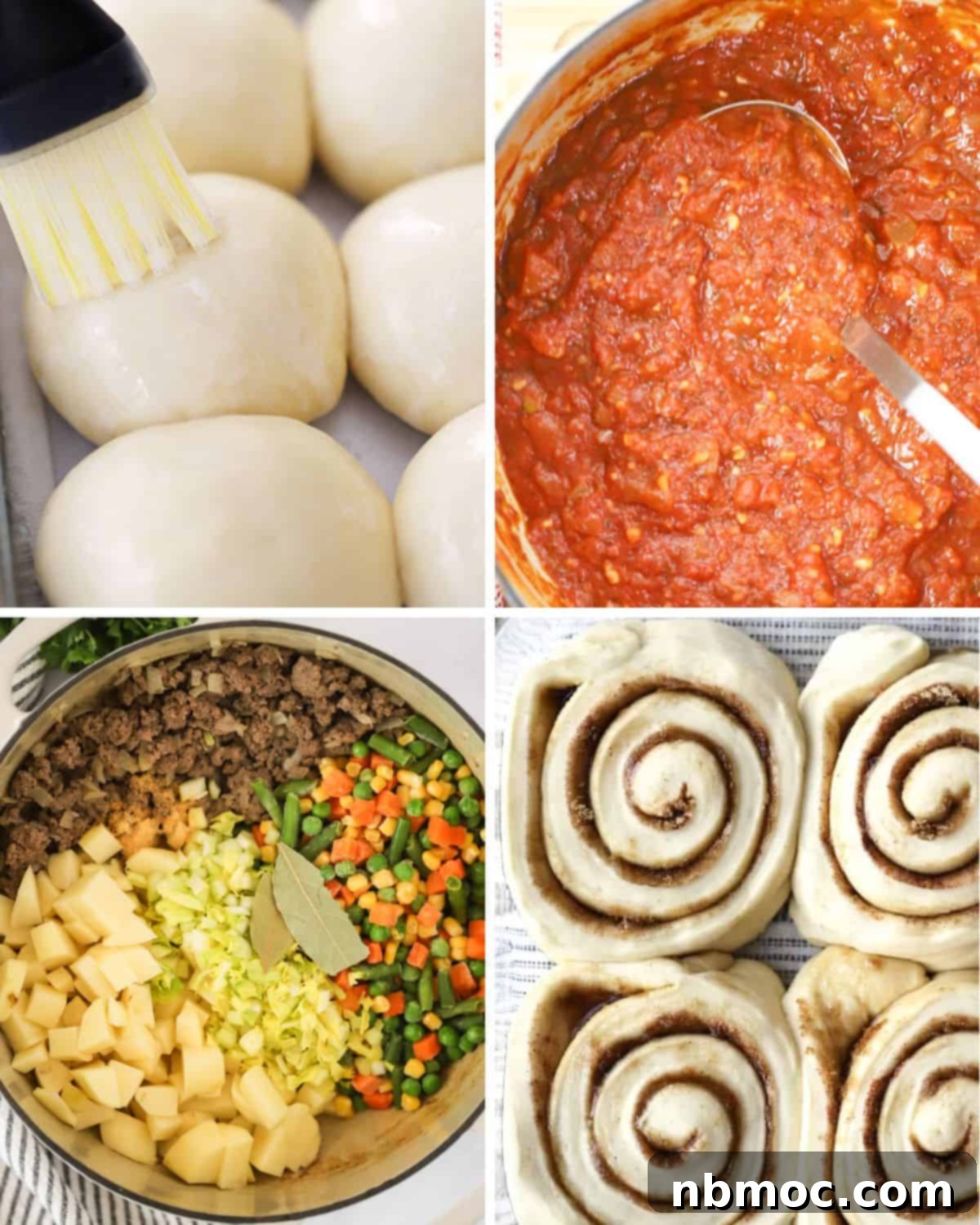
Are you feeling the pinch of rising grocery prices and the frustration of tossing out uneaten food? You’re not alone. In today’s economy, food costs seem to climb higher every week, making it tougher than ever to stick to a budget without feeling like you’re sacrificing quality or flavor. But what if you could dramatically cut your grocery bill, slash food waste, and still put delicious, family-friendly meals on the table every single night? Imagine a world where your refrigerator isn’t a graveyard of forgotten ingredients, and your weeknights are less stressful because meal prep is streamlined and efficient.
The good news is, this isn’t just a pipe dream. The average family wastes hundreds of dollars on food each month, much of which is perfectly good but simply forgotten or improperly used. This comprehensive guide is packed with proven, practical strategies designed to transform the way you think about food – from planning and shopping to cooking and storing. We’ll show you how to reduce food waste, shop with intention, and master the art of creating meals your family will genuinely enjoy, leaving no uneaten leftovers or wasted ingredients behind. Get ready to save money, simplify your life, and rediscover the joy of affordable, wholesome comfort food.
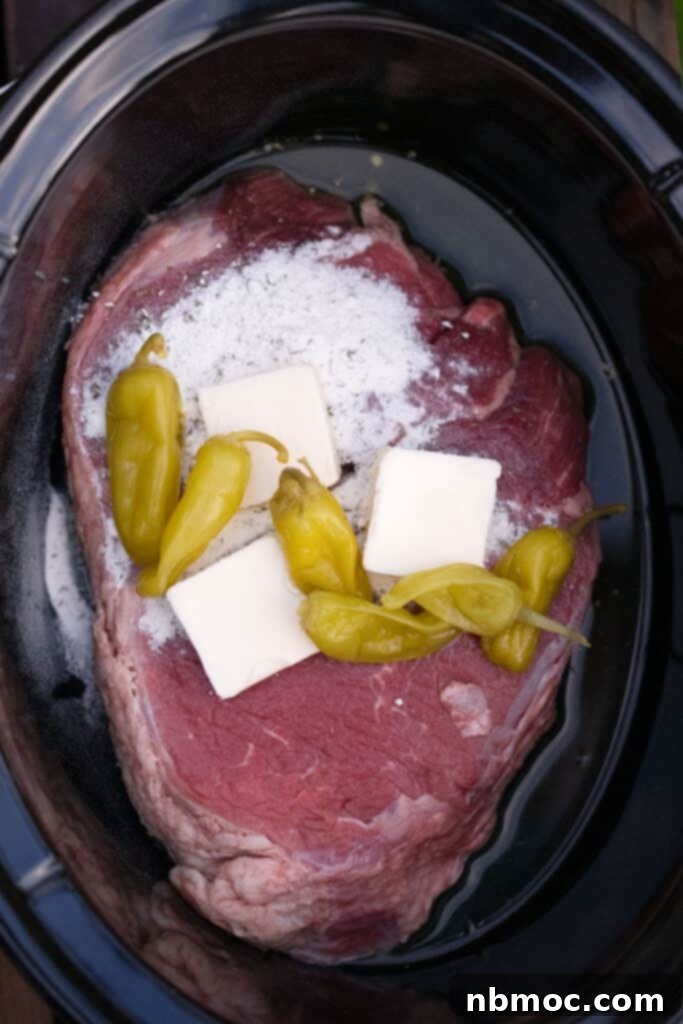
1. Master the Art of the “Kitchen Inventory” Before You Shop
The single most powerful habit for slashing your grocery bill and eliminating food waste begins right in your own kitchen. Before you even think about building a meal plan or jotting down a shopping list, make it a non-negotiable ritual to conduct a thorough “kitchen inventory” – or as we like to call it, a “fridge forage.” This isn’t just a quick peek; it’s a strategic mission to uncover hidden culinary treasures and prevent unnecessary purchases.
Start by systematically checking every corner of your refrigerator, freezer, and pantry. Ask yourself these crucial questions:
- What ingredients do I currently have on hand? Take stock of everything from fresh produce and dairy to canned goods, dry pasta, grains, and frozen meats.
- Which items are nearing their expiration date or need to be consumed soon? Prioritize these. Wilting spinach, a lonely bell pepper, or a half-used carton of broth are perfect candidates for this week’s meals.
- What can serve as the foundational “starting point” for this week’s menu? Perhaps you have a bag of frozen chicken breasts, a forgotten can of chickpeas, or a surplus of rice. These items become your culinary compass.
By treating your kitchen like a mini grocery store and shopping its “shelves” first, you’re not only saving money by using what you’ve already paid for, but you’re also preventing good food from going to waste. This simple yet profound shift in mindset can significantly impact your food budget and creativity in the kitchen.
⭐ Pro Tip: Keep a running list (physical or digital) of “use-me-up-first” items. This visual reminder ensures nothing gets overlooked and helps inspire your meal planning.
2. Craft a Flexible Meal Plan Based on Your Inventory
Once you know what’s lurking in your kitchen, the next step is to build a meal plan that prioritizes those existing ingredients. Forget the pressure of planning seven entirely new and elaborate meals for the week. This often leads to unnecessary grocery trips and forgotten items. Instead, focus on a more realistic and sustainable approach:
- Embrace Your Favorites & Limit Newness: Anchor your week with two to three tried-and-true family favorites that you know everyone will eat. Then, perhaps, challenge yourself with just one new recipe. This strategy reduces decision fatigue and ensures less food waste from experimental dishes that don’t quite hit the mark.
- Choose Core Ingredients: Select 2-3 main proteins or versatile base ingredients that you already possess or plan to buy in bulk. Think ground turkey, chicken thighs, canned beans, lentils, or a large cut of pork shoulder. These become your culinary workhorses for the week.
- Master the Art of Ingredient Remixing: This is where the magic happens! Instead of preparing entirely distinct meals, plan how to transform your core ingredients into varied dishes throughout the week. For example, roasted chicken from Sunday dinner can become chicken tacos on Monday, a chicken quesadilla on Tuesday, and a healthy chicken salad for Wednesday’s lunch. Your family will enjoy the variety, often without even realizing they’re eating the “same” foundational ingredient.
- Simplify Sides: Don’t reinvent the wheel with every meal. Stick to simple, repeatable side dishes like roasted vegetables, rice, quinoa, or a fresh green salad. Frozen vegetables are a budget-friendly and convenient option here; they’re picked at peak ripeness, ensuring excellent nutrition without the risk of spoilage. Your family likely won’t notice the difference, and you’ll save precious time and money.
- Integrate “Pantry Power” Meals: Dedicate at least one meal per week to items exclusively from your pantry. This could be a hearty lentil soup, a comforting pasta bake, or a creative casserole built from canned goods and dried staples. It’s an excellent way to cycle through older inventory and avoid last-minute grocery runs.
A flexible meal plan built around what you already own is a powerful tool. It not only significantly cuts down your grocery expenses and reduces food waste but also minimizes daily cooking stress, allowing you to enjoy more relaxed weeknights.
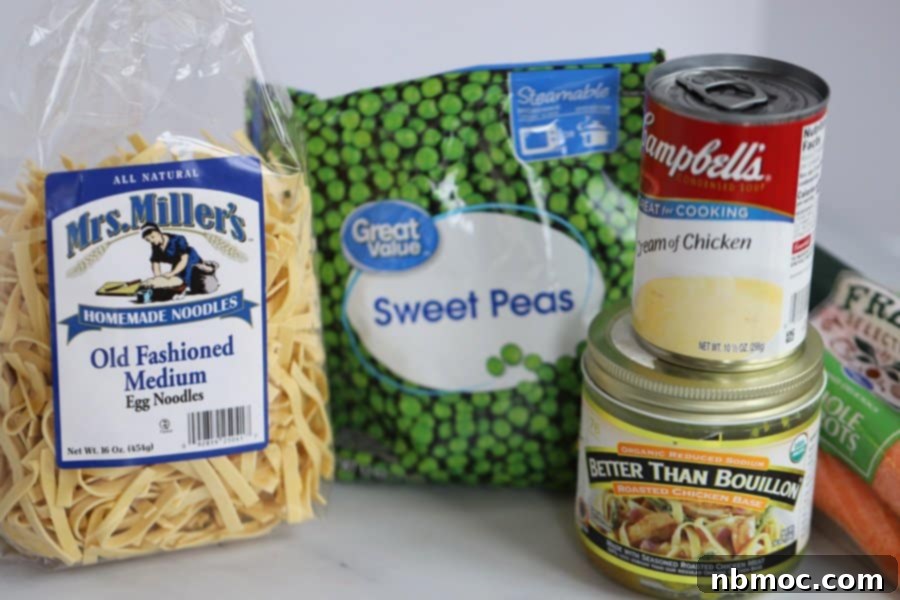
3. Unlock Versatility: The Power of Ingredient Duplication
Many home cooks fall into the trap of thinking that using the same ingredients multiple times in a week will lead to boring, repetitive meals. This couldn’t be further from the truth! Embracing ingredient duplication isn’t just a budget-friendly strategy; it’s a creative culinary hack that promotes versatility, reduces waste, and streamlines your cooking process. The secret lies in transforming ingredients into entirely new experiences, making them feel fresh and exciting with different preparations, seasonings, and pairings.
Consider these common ingredients and their incredible potential for transformation:
- Spinach: Beyond a simple salad, spinach is remarkably versatile. Sauté a handful into your morning scrambled eggs, wilt it into a rich pasta sauce, or blend it seamlessly into a vibrant fruit smoothie for an extra nutritional boost. Even slightly wilted spinach is perfectly fine for cooking or blending; don’t let it go to waste – freeze it for future smoothies or soups!
- Chickpeas: These humble legumes are a powerhouse of protein and fiber. Mash them with avocado and spices for a delicious, plant-based sandwich filling, roast them until crispy for a satisfying snack or salad topping, or stir them into a hearty curry or stew for a substantial meal.
- Tortillas: Far more than just a wrap, tortillas can be reimagined in countless ways. Use them as the base for quick quesadillas, layer them for enchiladas, cut them into wedges and bake for homemade chips, or even use larger tortillas as a surprisingly effective, thin-crust pizza base.
- Onions & Garlic: These aromatic staples form the foundation of countless dishes. Chop them fine for a mirepoix base, caramelize them for a sweet addition to sandwiches or omelets, or roast them whole for a softer, milder flavor.
- Cooked Grains (Rice, Quinoa): A batch of cooked grains can serve you well throughout the week. Enjoy them as a side dish, transform them into a satisfying grain bowl with roasted vegetables and protein, use them as a filler for stuffed peppers, or even incorporate them into a breakfast porridge.
By thoughtfully planning how to reuse and reinvent your ingredients, you reduce the need to buy specialty items, minimize spoilage, and foster a more sustainable and economical kitchen. It’s about maximizing the value of every single item you bring home.
✨ Inspiration: “You don’t need a new recipe every night—you just need a new spin on the ingredients you love.”
4. The Freezer: Your Ultimate Ally Against Food Waste
Consider your freezer not just a storage unit, but a powerful “pause button” for food waste and a secret weapon for future convenience. Mastering the art of freezing can dramatically extend the life of your groceries, prevent spoilage, and ensure you always have quick, homemade meal options on hand. It’s an essential skill for anyone looking to save money and eat well on a budget.
Here’s how to make your freezer work harder for you:
- Preserve Perishables: Don’t let fresh produce go bad. Chop up onions, bell peppers, carrots, or celery and freeze them flat on a baking sheet before transferring to a bag for easy use in stir-fries, soups, or casseroles. Overripe bananas are perfect for smoothies or banana bread when frozen. Fresh herbs can be finely chopped and frozen in ice cube trays with a little olive oil or water, ready to be dropped into a pan.
- Cook Once, Eat Twice (or Thrice!): When preparing a meal you love, intentionally double the recipe. Cook one portion for dinner tonight and freeze the other half for a busy weeknight in the future. This works wonderfully for lasagna, chili, soups, stews, casseroles, and even cooked grains like rice or quinoa. It’s like having a personal chef pre-make your meals!
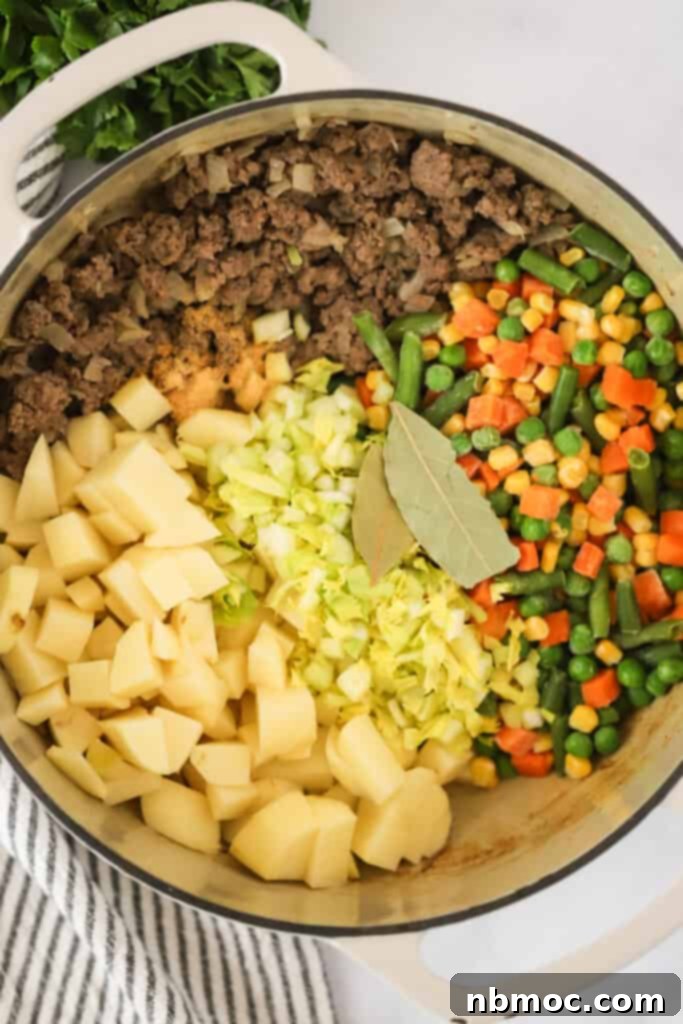
- Befriend the “Scrap Soup” Container: Keep a designated, labeled container in your freezer for vegetable scraps (onion peels, carrot ends, celery leaves, mushroom stems) and leftover cooked ingredients (a few spoonfuls of roasted chicken, half a cup of pasta). Once it’s full, you have the perfect base for a homemade, flavorful “cleanout soup” or bone broth – a true zero-waste endeavor. Recipes like Minestrone Soup or a hearty Ground Beef Soup are ideal candidates for this method.
- Label and Date Everything: This seemingly small step is crucial. Use freezer-safe labels and permanent markers to clearly note the contents and the date it was frozen. This prevents the dreaded “mystery meat” syndrome and ensures you use items before they succumb to freezer burn.
- Invest in Good Storage: While any freezer-safe container works, clear containers or freezer bags are especially helpful. If you can see what’s inside, you’re much more likely to remember it’s there and actually use it, reducing forgotten foods and further cutting down on waste.
By actively using your freezer, you’re not just preventing food waste; you’re building a reservoir of ready-to-eat meals and ingredients that will save you time, stress, and money in the long run.
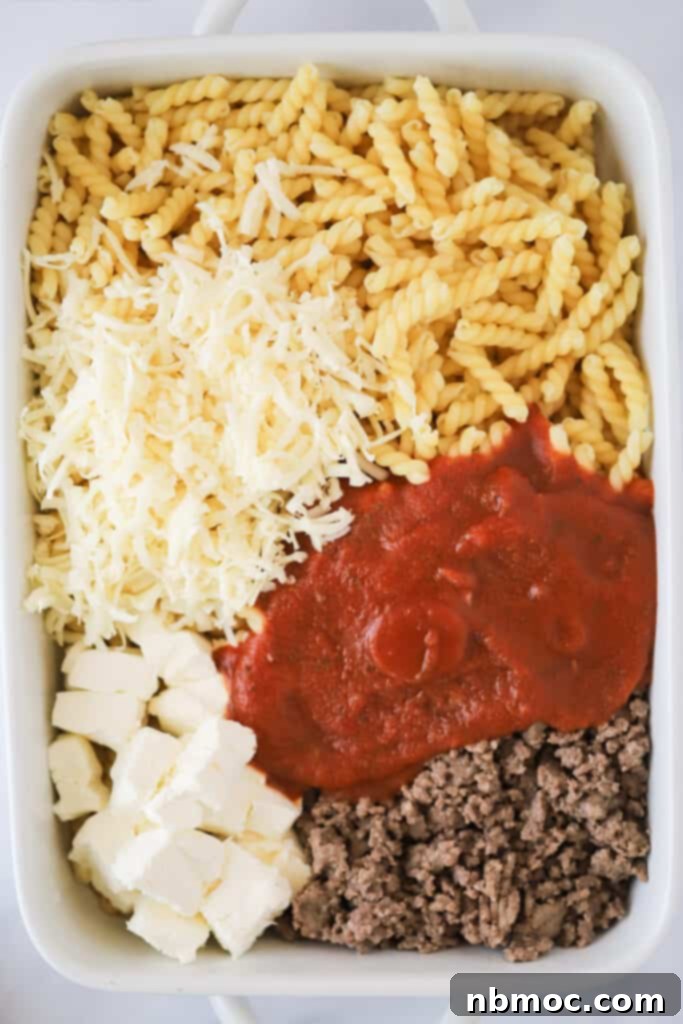
5. Embrace “Use It Up” Night: Your Weekly Zero-Waste Challenge
Designating one night per week as “Fridge Forage” or “Use It Up” night is perhaps one of the most effective and satisfying strategies for minimizing food waste and maximizing your grocery budget. Think of it as your personal zero-waste challenge, where creativity meets practicality, and forgotten ingredients get a second chance at becoming a delicious meal. On this night, the rule is simple: no new groceries allowed!
Instead of reaching for a new recipe or heading to the store, challenge yourself to create a meal exclusively from what you already have lingering in your refrigerator, freezer, and pantry. This practice not only ensures that expiring ingredients are consumed but also sparks culinary innovation. You might be surprised at the delicious dishes you can conjure from seemingly disparate items. Here are some ideas for a successful “Use It Up” night:
- Leftover Veggie Stir-Fry: Gather any wilting greens, half an onion, a few bell pepper strips, and some leftover cooked protein (chicken, tofu, shrimp). Toss them together with a simple soy-ginger sauce and serve over rice or noodles for a quick, healthy, and flavorful meal.
- Pasta Prima-Whatever: Combine odds and ends of vegetables (fresh or frozen), the last bits of cheese, a dollop of pesto, or a splash of tomato sauce with cooked pasta. A final sprinkle of fresh herbs (if you have them) can elevate this simple dish into something truly special.
- Creative Clean-Out Soup/Stew: A fantastic way to use up small quantities of roasted vegetables, cooked meats, and half-used cartons of broth. Add some canned beans or lentils for bulk, a handful of grains, and whatever spices feel right. Every “clean-out soup” is unique and nourishing.
- “Everything But The Kitchen Sink” Frittata or Omelet: Whisk eggs with any small amounts of leftover cooked vegetables, cheese, or deli meats. Pour into a hot pan and bake or cook on the stovetop for a quick, protein-rich meal perfect for breakfast-for-dinner.
Beyond the financial savings, “Use It Up” night is incredibly rewarding. It fosters a sense of accomplishment, reduces stress by eliminating a shopping trip, and encourages you to become a more resourceful and intuitive cook. It’s creative, cost-effective, and provides a unique sense of satisfaction knowing you’ve made the most of every ingredient.
6. Adopt the Mantra: Buy Less, Use More
At its core, saving money on groceries and reducing food waste comes down to a fundamental shift in perspective: most of us don’t need more food; we simply need a smarter plan for the food we already have. This philosophy is about mindful consumption, intentional purchasing, and creative utilization of every single item that enters your kitchen.
Feeding a family well on a tight budget absolutely doesn’t mean resorting to bland, unhealthy, or repetitive meals like instant noodles or constant fast food runs. In fact, it often leads to more wholesome, home-cooked goodness. It’s about empowering yourself with knowledge and strategies that make your food budget work harder:
- Prioritize Ingredients Over Products: Shift your shopping focus from pre-packaged, convenience-driven “products” (which often carry a hefty markup and less nutritional value) to versatile, foundational “ingredients.” Buying raw chicken, fresh vegetables, dried beans, and grains allows you to create multiple diverse meals, offering better value and more control over what goes into your family’s food. Learn to love cooking from scratch; it’s healthier and more economical.
- Master the “Cook Once, Eat Twice (or More!)” Principle: This is a cornerstone of efficient, budget-friendly cooking. Instead of cooking a completely new meal every single night, strategically prepare larger batches of components or entire dishes that can be repurposed. Roast a big chicken on Sunday, use the leftovers for tacos or salads on Monday, and boil the carcass for bone broth. Cook a large pot of chili that can be enjoyed as a meal, then used as a topping for baked potatoes or hot dogs later in the week. This saves significant time and energy, especially on busy weeknights.
- Become an Expert in Stretching What You Have: Learn techniques to make ingredients go further.
- Add Fillers: Bulk up meat-based dishes with inexpensive, nutritious fillers like lentils, beans, oats, or grated vegetables. Your bolognese, meatloaf, or burgers will be heartier, healthier, and more budget-friendly.
- Repurpose Leftovers Creatively: As discussed in “Ingredient Duplication,” don’t just reheat leftovers. Transform them! Leftover rice becomes fried rice; leftover mashed potatoes turn into shepherd’s pie topping or potato cakes.
- Utilize Scraps: From making vegetable broth with discarded peels and ends to using stale bread for croutons or breadcrumbs, every part of an ingredient has potential.
By consciously buying less and mindfully using more of what you purchase, you create a kitchen culture of abundance, resourcefulness, and zero waste, all while keeping your grocery expenditures firmly in check. This approach is not just about saving money; it’s about respecting food and making sustainable choices.
7. Strategic Portioning: Cook Just Enough, or Master the Art of Repurposing
One of the most disheartening and financially draining causes of food waste stems from a common cooking dilemma: preparing too much food, especially for families where “leftovers” are a dirty word. If you’ve ever found yourself scraping perfectly good, untouched casserole into the trash the morning after, this section is your guiding light. The key is to adapt your cooking strategy to your family’s eating habits, ensuring every meal is consumed and appreciated.
For Families Who Don’t Eat Leftovers:
If the sight of yesterday’s dinner sends shivers down your family’s spine, then the strategy is simple: minimize excess. This approach focuses on precise portion control and cooking fresh, appealing meals daily, without the burden of unwanted extras.
- Cook Only What Will Be Eaten in One Sitting: This requires a bit more foresight but prevents waste entirely. Accurately estimate appetites and adjust recipes accordingly. Don’t feel obligated to cook a full recipe if half will suffice.
- Halve or Scale Recipes: Many recipes can easily be cut in half or scaled down based on the number of eaters. This might mean buying smaller packages of ingredients or saving the remainder for a different dish later in the week (refer back to “Ingredient Duplication”).
- Utilize “Family Serving Math”: Get familiar with realistic portion sizes. As a general guideline, consider ¾ cup of cooked pasta per adult and ½ cup for children, or 2–3 ounces of cooked protein per person. These numbers can vary, so observe your family’s actual consumption habits.
- Opt for Simpler, Fresh Meals: Focus on dishes that are best enjoyed freshly prepared and don’t typically yield large amounts of heavy, unappealing leftovers. Think simple grilled proteins, fresh salads, or quick stir-fries that are easy to customize for individual preferences.
💡 Smart Solution: For dishes like lasagna or casseroles that are typically made in large batches, consider preparing individual portions in muffin tins, ramekins, or mini loaf pans. These can be baked fresh or frozen individually, offering convenience without the commitment to a week of “sad second servings.”
For Families Who Do Embrace Leftovers:
If your family appreciates or even relies on leftovers, then “Cook Once, Eat Twice” is your superpower. This strategy is all about maximizing efficiency and creating built-in convenience for future meals.
- Intentionally Double Recipes: When making a crowd-pleaser like chili, soup, stew, or a pasta bake, deliberately double the ingredients. Enjoy half for dinner and portion the remainder into individual servings for lunches or freeze them for future dinners.
- Batch Cook Components: Dedicate a small amount of time to cooking staple components in bulk. This includes roasting a large tray of vegetables, cooking a big pot of rice or quinoa, or preparing a batch of shredded chicken. These components can then be mixed and matched throughout the week.
- Plan for “Leftover Reinvention”: As explored in previous points, don’t just reheat leftovers. Plan to transform them. Leftover roasted vegetables can go into a frittata; leftover rice can become fried rice; leftover cooked meat can be turned into sandwiches or wraps.
Understanding and catering to your family’s unique relationship with leftovers is paramount to reducing waste and ensuring your delicious efforts are always appreciated. Whether you cook just enough or master the art of repurposing, strategic portioning is a game-changer for your grocery budget and culinary peace of mind.

Implementing these strategies will empower you to take control of your grocery budget and transform your kitchen into a hub of efficiency and deliciousness. To help you on your journey, explore these curated recipe roundups:
- 20+ Creative Pantry Meals to Save Money
- 70+ Budget-Friendly Dinner Ideas for Families
- Nourishing and Healthier Dinner Ideas
Simplify Your Kitchen, Amplify Your Savings
The journey to a lower grocery bill and a zero-waste kitchen isn’t about deprivation; it’s about empowerment. It means feeding your family better, smarter, and with significantly more ease and less stress. You don’t need an endless rotation of exotic meals or a kitchen full of specialty gadgets. What you truly need is one good, consistent strategy—a mindful approach to planning, shopping, and cooking that eliminates guilt and maximizes value.
By applying these proven, family-friendly strategies, you’ll not only save hundreds of dollars each month but also gain confidence in the kitchen and contribute to a more sustainable lifestyle. Embrace the “fridge forage,” master ingredient versatility, make your freezer your friend, and cook with intention. You’ve got this, and these actionable tips are here to support you every step of the way towards a more economical and enjoyable culinary experience.