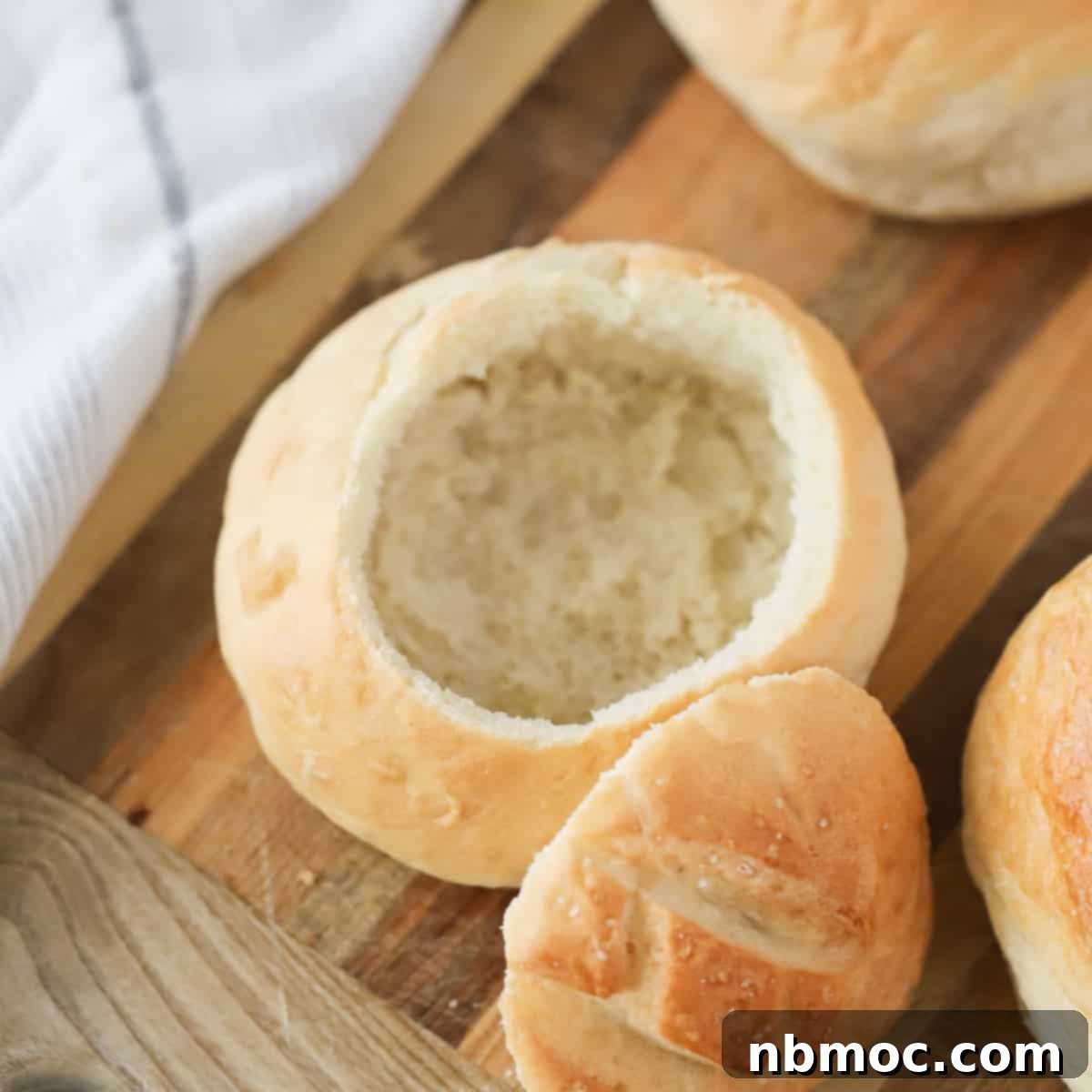
Embark on a culinary journey to create the most incredible homemade bread bowls right in your kitchen! These aren’t just any bread bowls; they feature a perfectly crisp crust, a luxuriously soft and tender interior, and are exceptionally designed to hold your favorite hearty soups, creamy stews, or vibrant dips. Crafted from a versatile basic yeast dough, this recipe offers far more than just bread bowls – it’s your gateway to mastering the art of baking, enabling you to also whip up delicious pizzas, dinner rolls, and crispy breadsticks.
Forget expensive restaurant versions! This comprehensive guide will empower you to bake professional-quality bread bowls that will impress everyone, all while being incredibly cost-effective. We’ll meticulously walk you through each step of the process, ensuring that even novice bakers can achieve spectacular results in no time. Get ready to elevate your meal presentations and savor the unmatched taste of freshly baked goodness.
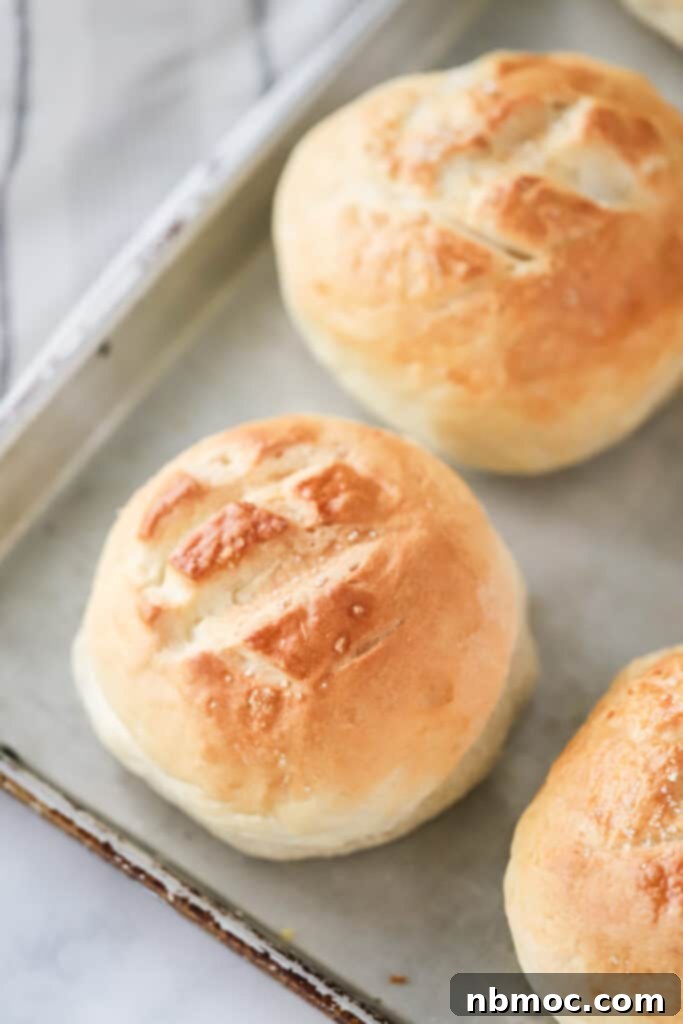
Crafting the Perfect Homemade Bread Bowls
Once you discover the joy and simplicity of making bread bowls from scratch, you’ll find yourself reaching for this recipe repeatedly. Imagine serving all your cherished soups and savory dips nestled within these edible works of art. This recipe utilizes a straightforward, fundamental bread dough, making it accessible and enjoyable for cooks of all experience levels. The resulting bread bowls boast an irresistible crisp crust that gives way to a wonderfully soft and airy interior, offering a truly unique and delightful way to present even the simplest of meals.
Beyond their structural perfection, these bread bowls are incredibly versatile. Feel free to infuse your dough with various herbs like rosemary or thyme, experiment with different cheeses such as Parmesan or cheddar, or add a hint of spice with garlic powder or red pepper flakes. This foundational yeast dough isn’t just for bowls; it’s a blank canvas! Transform it into a rustic pizza crust, shape it into fluffy dinner rolls, or create charming mini bread bowls perfect for individual servings of appetizers.
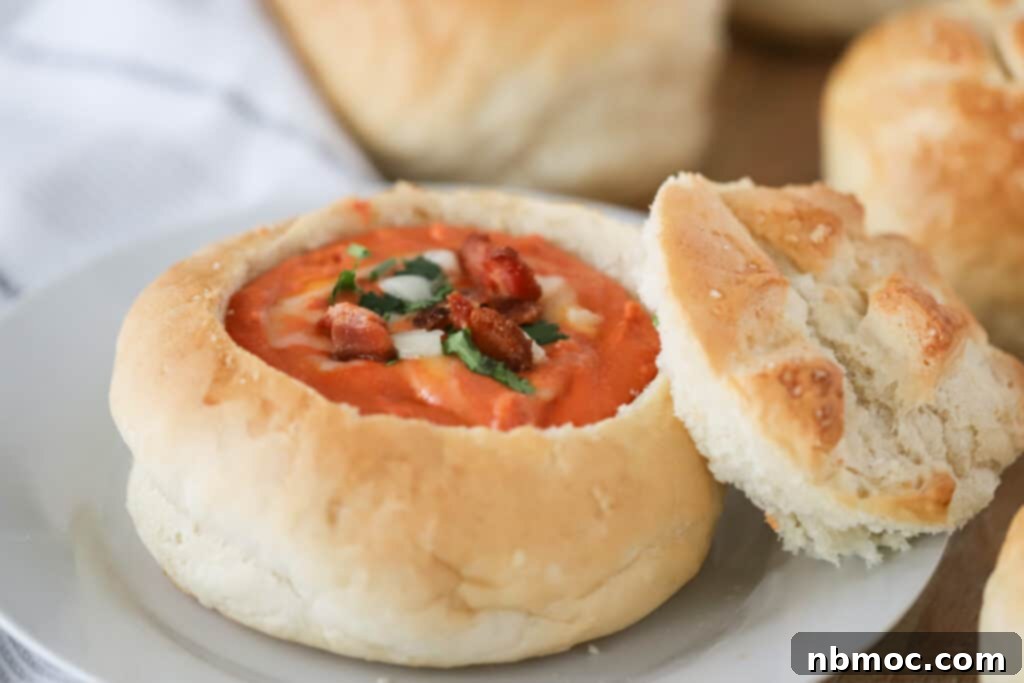
To ensure your homemade bread bowls remain delightfully firm and don’t become soggy, we recommend pairing them with thicker, creamier soups and heartier dips. Think along the lines of a rich Roasted Acorn Squash Soup, a comforting Creamy Tomato Soup, or a robust White Chicken Chili. These types of fillings are less likely to soak into the bread too quickly, allowing you to enjoy every last bite.
Alternatively, use these impressive bread bowls as a show-stopping vessel for your favorite dips. Picture a vibrant Guacamole, a warm and bubbly Cheddar Queso Dip, or a savory Everything Bagel Seasoning Dip, all ready to be scooped up with pieces of the edible bowl itself or accompanying crudités. The possibilities are endless when you have such a delicious and edible serving dish at your disposal.
Essential Ingredients You Will Need for Bread Bowls
Creating these delightful bread bowls requires a few basic ingredients, each playing a crucial role in the dough’s texture, flavor, and rise. Here’s a closer look at what you’ll need and why:
- Warm Water: The temperature of your water is paramount for activating the yeast. Aim for a temperature between 95-105 degrees F (35-40 degrees C). Water that’s too hot will kill the yeast, while water that’s too cold won’t activate it effectively, leading to a poor rise.
- Granulated Sugar: A small amount of sugar acts as food for the yeast, helping it to activate and produce carbon dioxide, which gives the bread its airy texture. You can easily substitute honey for sugar if you prefer a slightly different flavor profile.
- Active Dry Yeast: This recipe specifically calls for active dry yeast. Ensure your yeast is fresh and active for the best results. If using instant yeast, you might find the rise times are slightly faster, and you can often mix it directly with the flour without proofing first, but for this recipe, sticking to active dry is recommended for consistent timing and texture.
- Olive Oil: Oil contributes to the dough’s elasticity, moisture, and tender crumb. It also helps with browning the crust. While olive oil is suggested for its distinct flavor, avocado oil or even softened, room-temperature butter can be excellent alternatives, adding richness to your bread.
- Salt: Often overlooked, salt is an incredibly important ingredient in bread making. It not only enhances the flavor of the bread but also controls the yeast’s activity and strengthens the gluten structure, preventing the dough from over-rising too quickly. Forgetting the salt will result in a bland, sometimes overly yeasty, and structurally weak bread.
- All-Purpose Flour: This is a standard choice for most home baking and works wonderfully for these bread bowls. You can also opt for bread flour, which has a higher protein content and will result in an even chewier, more structured bread. If using bread flour, be prepared to adjust the amount slightly, as it may absorb more liquid. Keep an eye on your dough; it should be smooth and elastic, pulling away from the sides of the bowl.
- Egg Wash (Egg White + Water): An egg wash brushed over the dough before baking provides a beautiful, golden-brown, glossy crust. Using only egg whites and water gives a lighter sheen and crispier finish, compared to a whole egg wash which creates a richer, darker crust.
How to Make Restaurant-Quality Bread Bowls for Soup
Creating your own bread bowls is a rewarding experience, and with these detailed steps, you’ll achieve perfect results every time. Follow along to master this delicious recipe.
- Prepare Your Baking Surface: Begin by lightly greasing a large baking sheet with butter or a nonstick cooking spray. Alternatively, line it with parchment paper for easy removal. Set this aside, as you’ll need it when shaping your dough.
- Activate the Yeast: In the bowl of a stand mixer (or a large mixing bowl if kneading by hand), combine the specified amount of warm water, sugar, and active dry yeast. Stir these ingredients together gently until well incorporated. Allow the mixture to sit undisturbed for about 5-10 minutes. During this time, the yeast should “bloom,” becoming frothy and bubbly on the surface, indicating it’s active and ready to work its magic.
- Begin Mixing the Dough: Once your yeast mixture is beautifully proofed, add the olive oil, salt, and approximately half of the all-purpose flour into the bowl. Attach the dough hook to your stand mixer and mix on a low speed until these ingredients are just combined. If mixing by hand, stir with a sturdy spoon until a shaggy dough forms.
- Incorporate Remaining Flour and Knead: Continue adding the remaining flour, one cup at a time, mixing on low speed after each addition. Observe the dough carefully; it should gradually pull away from the sides of the bowl and begin to look smooth and cohesive. You might not need the full amount of flour, so trust your dough’s consistency. Once all necessary flour is incorporated and the dough has cleaned the sides of the bowl, increase the mixer speed to medium and knead for about 3 minutes. The final dough should appear smooth, elastic, and slightly tacky to the touch.
- First Rise (Bulk Fermentation): Remove the dough from the mixer bowl, form it into a ball, and place it back into the lightly oiled bowl, turning once to coat. Cover the bowl tightly with plastic wrap or a clean kitchen towel. Place the dough in a warm, draft-free spot in your kitchen. Let it rise until it has visibly doubled in size, which typically takes about 30-45 minutes, depending on the warmth of your environment.
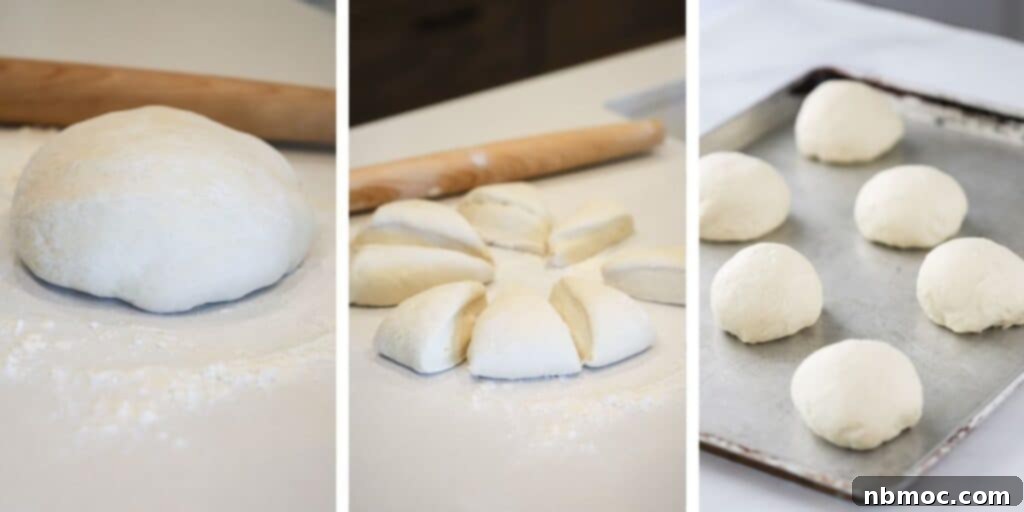
- Divide and Shape the Dough: Once the dough has completed its first rise, gently punch it down to release the air. Transfer the dough to a lightly floured countertop. Divide the dough into 8 equal pieces. For precise and uniform bread bowls, you can use a kitchen scale to ensure each piece weighs the same. Take each individual piece of dough and, using your hands, shape it into a tight, round ball. This technique helps create a good crust and even rise. Place these perfectly shaped dough balls onto your prepared greased or parchment-lined baking sheet, ensuring they are spaced far enough apart to allow for their second rise.
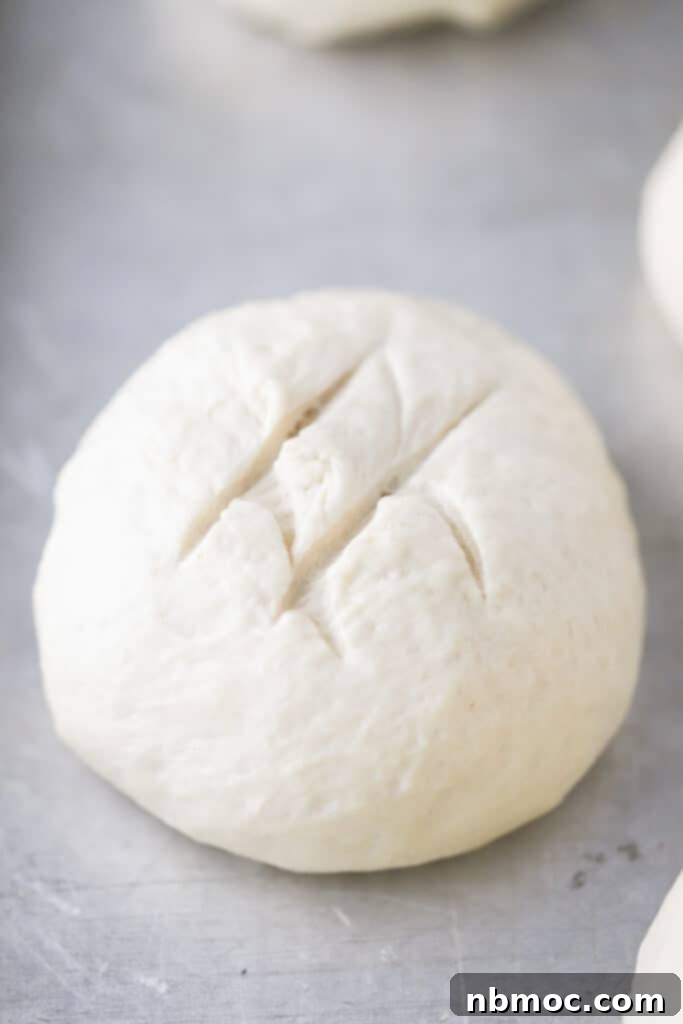
- Score the Dough: Using a very sharp knife, a lame, or even clean kitchen shears, carefully make an “X” or a “#” (hashtag) score on the top of each dough ball. These scores are not just for aesthetics; they serve a functional purpose by allowing the steam to escape evenly during baking, encouraging a controlled and beautiful rise and preventing the crust from cracking unevenly.
- Apply Egg Wash and Second Rise (Proofing): In a small bowl, whisk together the large egg white and one tablespoon of water to create your egg wash. Using a pastry brush, gently and evenly brush a thin layer of this wash over the tops and sides of each shaped dough ball. This will contribute to that desired golden-brown, crispy crust. Now, cover the baking sheet loosely with plastic wrap or a light kitchen towel and let the dough rise again in a warm place until it has doubled in size, typically another 30-45 minutes.
- Preheat Oven and Bake: While your bread bowls are undergoing their second rise, preheat your oven to 400 degrees F (200 degrees C). Once the oven is fully preheated and the dough has doubled, carefully place the baking sheet into the hot oven. Bake for approximately 25-30 minutes, or until the bread bowls are beautifully golden brown on top and sound hollow when tapped on the bottom.
- Cool and Prepare for Serving: Remove the baked bread bowls from the oven and transfer them to a wire rack to cool for about 10-15 minutes, or until they are cool enough to handle comfortably. This brief cooling period allows the internal structure of the bread to set.
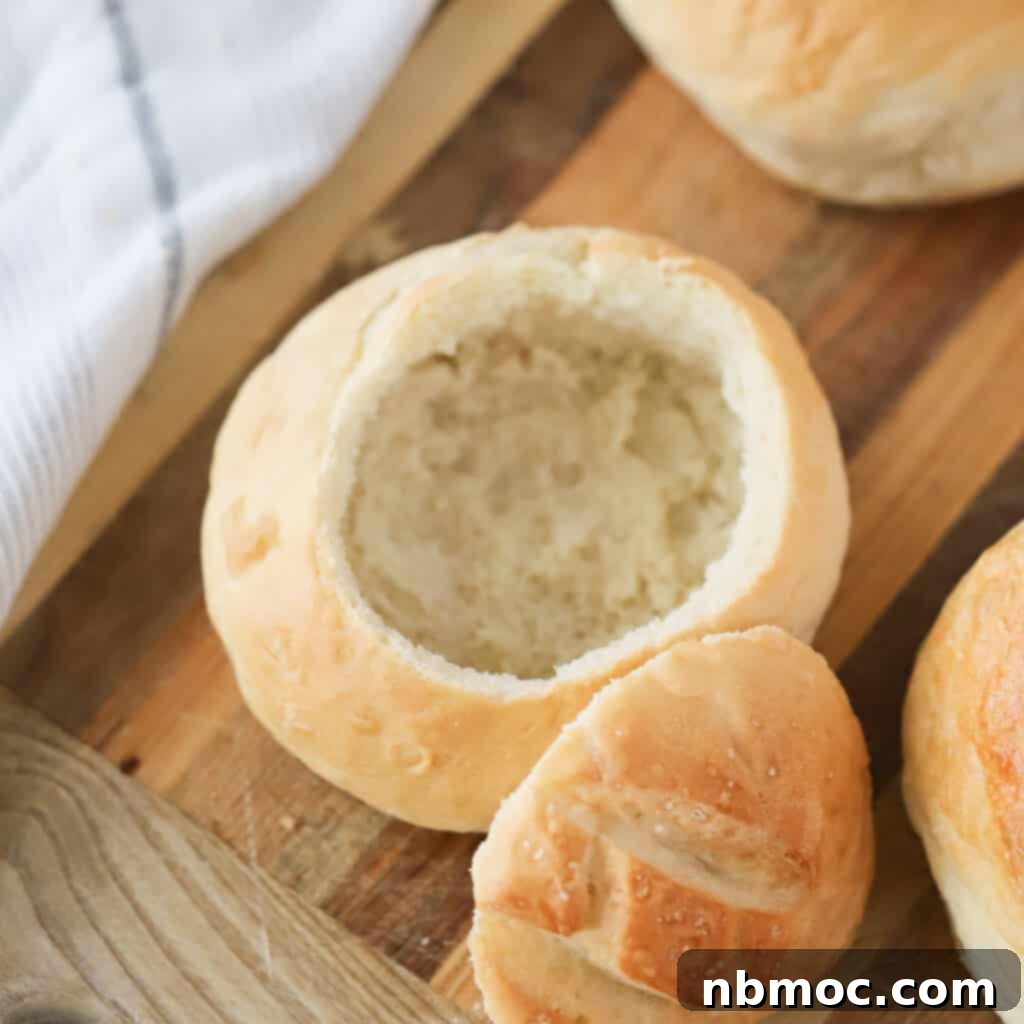
- Scoop Out the Center and Enjoy: To transform these loaves into functional bread bowls, use a sharp serrated knife to carefully cut a large circle out of the top of each loaf, creating a lid. Then, gently scoop out some of the soft interior bread, leaving a sturdy wall and bottom, creating a cavity for your filling. Be careful not to scoop too much, maintaining enough thickness to hold your soup or dip without leakage. Fill with your favorite warm soup or dip, replace the lid if desired, and enjoy this delightful homemade creation!
Frequently Asked Questions About Homemade Bread Bowls
Here are some common questions and helpful answers to ensure your bread bowl baking experience is a complete success:
Absolutely! Just like most types of homemade bread, these bread bowls freeze exceptionally well, making them perfect for meal prep or future impromptu meals. Once they have completely cooled to room temperature, wrap each bread bowl tightly in plastic wrap, then place them into freezer-safe bags or an airtight container. They can be stored in the freezer for up to 2 months without compromising quality. To thaw, simply transfer them to the refrigerator overnight, or let them sit at room temperature for a few hours. For a delightful crunch and warmth, reheat them in a preheated 350-degree F (175 degrees C) oven for about 10 minutes before serving.
The baking time for your bread bowls can vary slightly based on their size and the accuracy of your oven’s temperature. If you follow this recipe and divide the dough into 8 medium-sized loaves, baking them in a preheated 400-degree F (200 degrees C) oven, they should typically take between 25-30 minutes to achieve a beautiful golden-brown crust and a thoroughly cooked interior. Smaller loaves will naturally require less baking time, while larger ones may need a few extra minutes. Always look for that golden color and a hollow sound when tapped.
The “X” or other scores (known as “scoring” or “slashing”) on top of the dough serve a crucial purpose in bread baking. As the bread bakes in the hot oven, moisture trapped inside rapidly turns into steam, causing the dough to expand. Without scores, the crust might tear haphazardly. By scoring the top, you create controlled weak points, encouraging the moisture to exit and the bread to expand uniformly upwards. This results in a more even rise, a more attractive crust, and prevents unwanted blowouts, ensuring your bread bowls maintain their perfect shape.
To minimize sogginess, several tips can help. First, ensure your bread bowls are fully cooled before hollowing and filling. Warm bread can absorb liquid more readily. Second, choose thicker, creamier soups or dips over thin, watery ones. If serving a thinner soup, consider lining the inside of the bread bowl with a thin layer of plastic wrap or foil for short-term serving, or even a leaf of lettuce. Alternatively, you can toast the scooped-out interior crumbs and line the bowl with them to create an additional barrier, adding texture and flavor. Serving immediately after filling is also key to enjoying them at their best.
What to Serve in Your Delectable Bread Bowls
The beauty of homemade bread bowls lies in their versatility. They can host a wide array of comforting dishes, transforming a simple meal into an exciting dining experience. Here are some fantastic ideas for what to serve in your freshly baked bread bowls:
- Stuffed Pepper Soup: This hearty soup, packed with vibrant veggies and rice, often with a perfect amount of spice, is an ideal candidate for a bread bowl. Its thickness will hold up beautifully.
- Creamy Tuscan Soup: Indulge in a rich and creamy chicken broth brimming with savory Italian sausage, tender potatoes, sweet carrots, and fresh spinach. The robust and thick consistency of this soup makes it a perfect pairing.
- Creamy Curry Squash Soup: A delightful fall classic, this soup offers a symphony of flavors. The aromatic curry elevates a traditional squash soup, creating a deeply satisfying and wonderfully thick filling.
- Best Creamy Cauliflower Soup: Luxuriously creamy and incredibly delicious, this soup is a healthy yet indulgent option. Its smooth texture ensures it won’t seep into your bread bowl too quickly.
- Broccoli Cheddar Soup: A beloved classic, featuring tender chunks of potato, an abundance of fresh broccoli florets, and a generous melt of shredded cheddar cheese. Its thick, cheesy base is ideal for serving in a bread bowl.
- Loaded Baked Potato Soup: Imagine your favorite side dish transformed into a decadent soup! This rich, creamy soup is a dream in a bread bowl. Top it generously with homemade bacon bits, extra shredded cheese, and freshly diced green onions for an unforgettable meal. Wow!
- Creamy Macaroni and Cheese: Not just for soup! A hearty serving of homemade macaroni and cheese, especially a baked variety, can be incredibly satisfying in a bread bowl.
- Chili or Stew: Classic beef chili or a thick vegetable stew are excellent choices, offering a comforting and substantial meal.
- Spinach Artichoke Dip: For an appetizer, a warm and gooey spinach artichoke dip makes for an irresistible center in a bread bowl, with pieces of the bowl used for dipping.
- Buffalo Chicken Dip: Spicy and cheesy, this dip is a crowd-pleaser and holds up well in a sturdy bread bowl.
Storing and Freezing Your Homemade Bread Bowls for Freshness
Proper storage is key to extending the life and freshness of your homemade bread bowls. Whether you’re making them ahead or saving leftovers, here’s how to keep them at their best:
- Room Temperature: For short-term storage, you can keep your un-filled bread bowls in an airtight container or tightly sealed freezer bags at room temperature for up to 3 days. Ensure they are completely cool before storing to prevent moisture buildup, which can lead to sogginess or mold.
- Refrigerator: If you wish to extend their freshness slightly beyond room temperature storage, place your cooled bread bowls in freezer bags or an airtight container and store them in the refrigerator for up to 1 week. While refrigeration can sometimes alter the texture of bread, it significantly prolongs its shelf life.
- Freezer: For long-term storage, freezing is your best option. Once your bread bowls are entirely cooled, wrap each one individually and securely in plastic wrap, then place them into heavy-duty freezer bags. They can be stored frozen for up to 3 months. To thaw, simply remove them from the freezer and let them come to room temperature overnight. For a refreshed texture, you may wish to reheat them in a 350-degree F (175 degrees C) oven for about 10 minutes before serving.
- Make-Ahead Dough: If you’re looking to streamline your baking process, you can prepare the dough a day in advance. After the first rise, punch down the dough, then wrap it well in plastic wrap and store it in the refrigerator overnight. The next day, remove the dough from the fridge and allow it to come to room temperature for approximately 30 minutes before dividing it into 8 portions and proceeding with the shaping, second rise, and baking steps as directed in the recipe. This allows for fresh bread bowls with minimal effort on the day of serving.
More Yeast Bread Recipes You’ll Love
Tips on Baking the Perfect Yeast Bread
Olive Garden Breadsticks Recipe
Rosemary Bread
Homemade Cheesy Breadsticks
Homemade Bread Bowls Recipe
Author: The Carefree Kitchen
These homemade bread bowls have a crisp crust, a soft and tender interior, and are perfect for holding your favorite soups and dips. The versatile yeast dough is based on a basic bread recipe that can also be used to make pizza, rolls, and breadsticks.
Print Recipe
Pin Recipe
Ingredients
Dough
- 3 cups warm water (between 95-105 degrees F)
- 2 tablespoons granulated sugar
- 1½ tablespoons active dry yeast (or 2 packets)
- 2 tablespoons olive oil
- 1 tablespoon salt
- 8-9 cups all-purpose flour
To Top the Loaves
- 1 large egg white
- 1 tablespoon water
Instructions
- Grease a large baking sheet with butter or nonstick cooking spray and set aside.
- In the bowl of a stand mixer, combine the warm water, sugar, and yeast. Mix well, then let sit for 5-10 minutes, or until the yeast is frothy and bubbly.
- Once the yeast has proofed, add the oil, salt, and half of the flour into the yeast mixture and mix on low using the dough hook until combined.
- Continue adding one cup of flour at a time, then mixing on low speed, until the dough pulls away from the sides and looks smooth—you may not need the full amount. Once all of your flour is added, knead on medium speed for about 3 minutes until it looks smooth and elastic.
- Cover the dough with plastic wrap and let rise in a warm place until doubled, about 30-45 minutes.
- Once your dough has doubled, divide into 8 even pieces. Sprinkle flour on your counter, then using your hands, make each dough ball into a tight round ball. Place the dough ball onto the greased baking sheet. Make an “x” or “hashtag” score in the dough with a sharp knife.
- Whisk together the egg white and water and brush a thin, even layer over the tops of each loaf of dough using a pastry brush. Let rise until doubled in size, about 30-45 minutes.
- Preheat the oven to 400 degrees F while the loaves are rising.
- Bake your bread bowls for 25-30 minutes, or until golden brown. Remove from the oven and cool for about 10-15 minutes, or until they can be handled.
- To serve as bread bowls, cut a large circle out of the top and scoop out the center. Add your favorite soup, and enjoy!
Notes
Storing instructions: You can store Bread Bowls in an airtight container or freezer bags at room temperature for up to 3 days, in the fridge for up to 1 week, or in the freezer for up to 3 months. To thaw, pull them out to room temperature overnight.
Make-ahead tips: Make the dough the day before, then wrap it well with plastic and store in the fridge overnight. The next day, pull it out and let it come to room temperature for about 30 minutes before dividing into 8 portions and finishing the recipe as directed.
Nutrition
Calories: 502kcal |
Carbohydrates: 99g |
Protein: 14g |
Fat: 5g |
Saturated Fat: 1g |
Polyunsaturated Fat: 1g |
Monounsaturated Fat: 3g |
Sodium: 886mg |
Potassium: 148mg |
Fiber: 4g |
Sugar: 3g |
Vitamin C: 0.003mg |
Calcium: 23mg |
Iron: 6mg
Disclaimer: Nutritional values were calculated using a third-party tool and are provided as an estimation only.
Sharing this recipe with a link is both encouraged and appreciated. Copying/pasting and/or screenshots of full recipes to any social media is strictly prohibited. Content and photographs are copyright protected.
More Delicious Recipes for Your Bread Bowls
While we’ve highlighted some fantastic options, the world of bread bowl fillings is vast! Here are even more ideas to inspire your culinary creativity, ensuring you get the most out of your homemade bread bowls:
- Southwest Black Bean Soup: A flavorful and hearty soup with a kick, perfect for absorbing into the bread.
- For an expansive selection, explore more of our Soup Recipes, where you’re sure to find a new favorite.
- Discover additional Bread Recipes to further hone your baking skills and expand your repertoire.
- Cheese Filled Pull Apart Rolls: While not a soup, these are a fantastic side for bread bowls, or a great way to use the same versatile dough!
- Cream of Mushroom Soup: A classic, velvety soup that’s incredibly comforting and well-suited for a bread bowl.
- French Onion Soup: With its rich broth and cheesy topping, a bread bowl can elegantly hold this iconic soup (ensure a very sturdy bowl or toast the interior for best results).
- Broccoli Cheese Dip: A hot, bubbly dip that’s essentially a thicker version of the soup, making it perfect for an appetizer bread bowl.
You truly won’t believe how easy and utterly delicious this Homemade Bread Bowls recipe is. With a little time and love, you can transform simple ingredients into impressive, edible vessels. Use them to serve all your favorite creamy soups, robust stews, and decadent dips in a fun, incredibly beautiful, and satisfying way that everyone will adore. Get baking and enjoy the heartwarming experience of fresh, homemade bread!