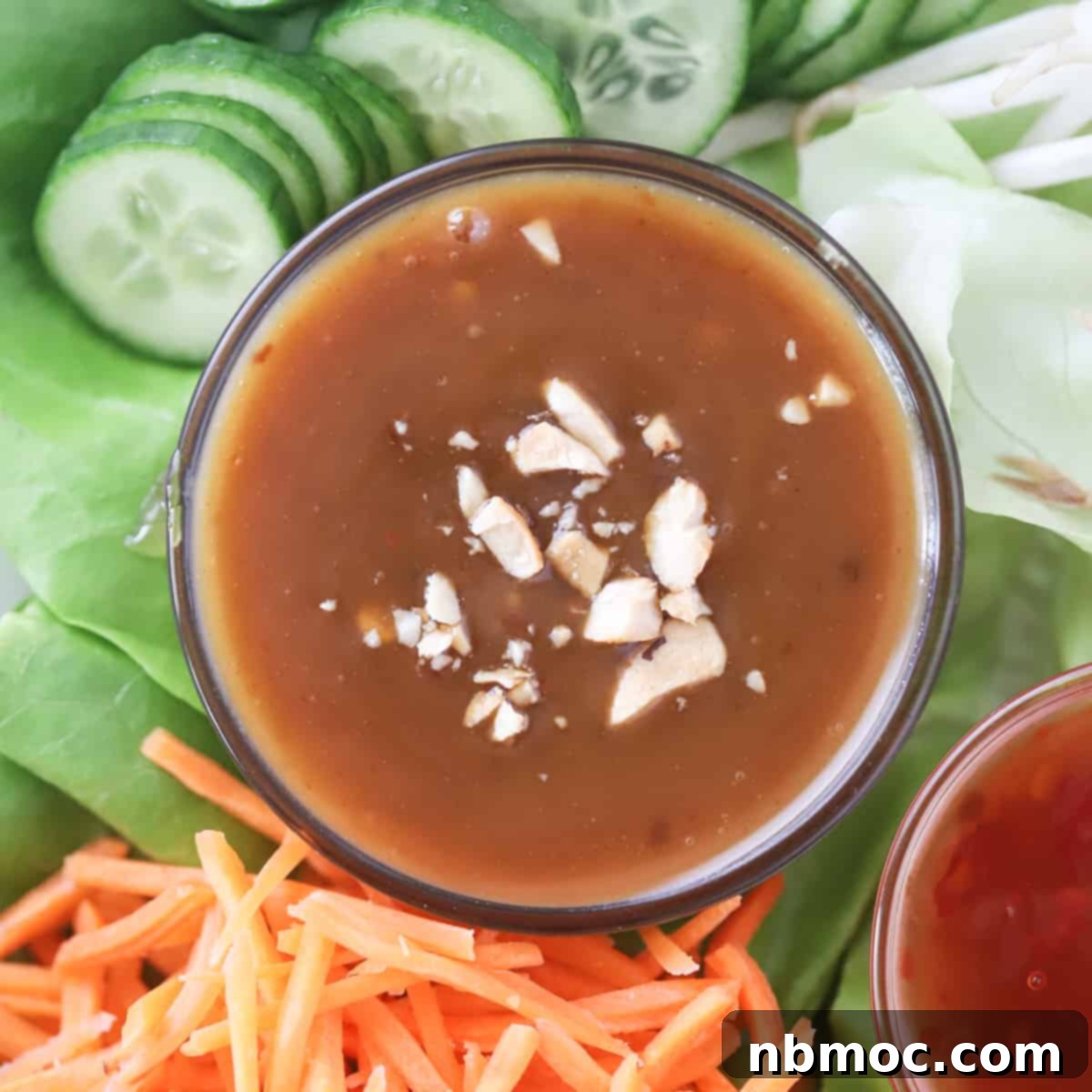
Unlock a world of vibrant Asian flavors with this incredibly easy and versatile Pad Thai Peanut Sauce recipe. In just about 10 minutes, you can create a condiment that’s a perfect harmony of sweet, salty, and tangy notes, ready to elevate an array of dishes. Whether you need a delectable dipping sauce for crispy spring rolls, a rich drizzle over succulent grilled chicken, or a light and refreshing Thai peanut dressing for your salads, this homemade sauce is your secret weapon in the kitchen.
For those craving more authentic Thai experiences with the irresistible allure of peanut sauce, explore these delightful recipes: Spicy Thai Peanut Noodles, a refreshing Thai Chicken Salad with Peanut Dressing, or the satisfying Thai Chicken Chopped Salad.
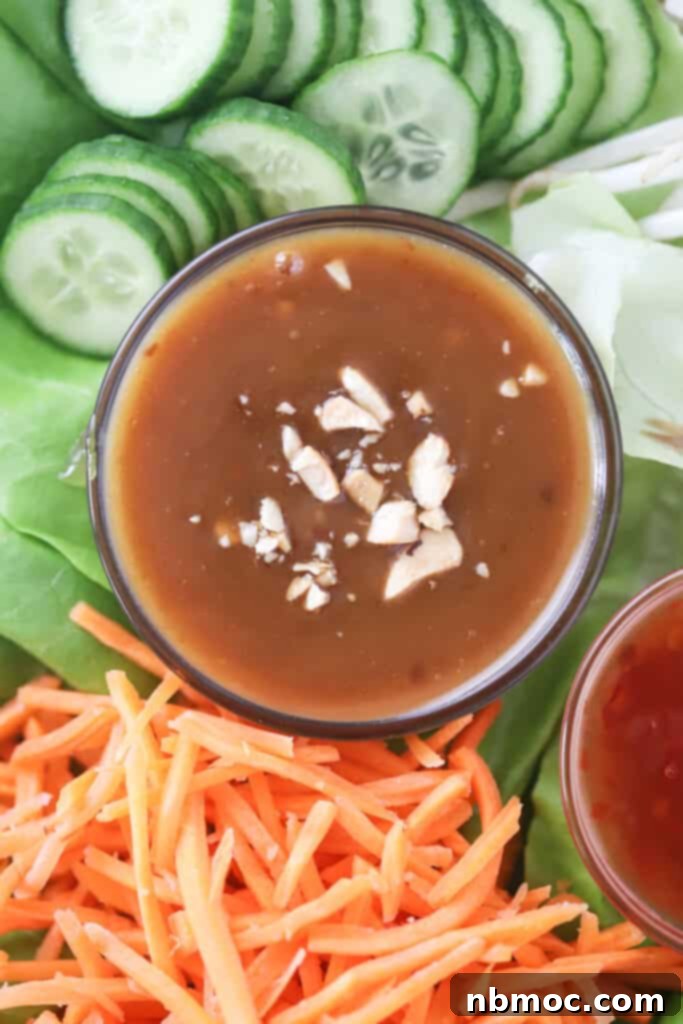
The Irresistible Allure of Homemade Pad Thai Peanut Sauce
Among the countless condiments that grace our tables, this recipe for Pad Thai Peanut Sauce stands out as a true culinary gem. It’s not just a sauce; it’s a flavor enhancer, a game-changer that transforms everyday meals into extraordinary dining experiences. The beauty of this sauce lies in its delightful balance of flavors – a luscious sweetness perfectly complemented by a savory saltiness, all brightened by a zesty tang. Its rich, creamy texture and minimal ingredient list make it an absolute breeze to prepare, proving that exceptional taste doesn’t have to be complicated.
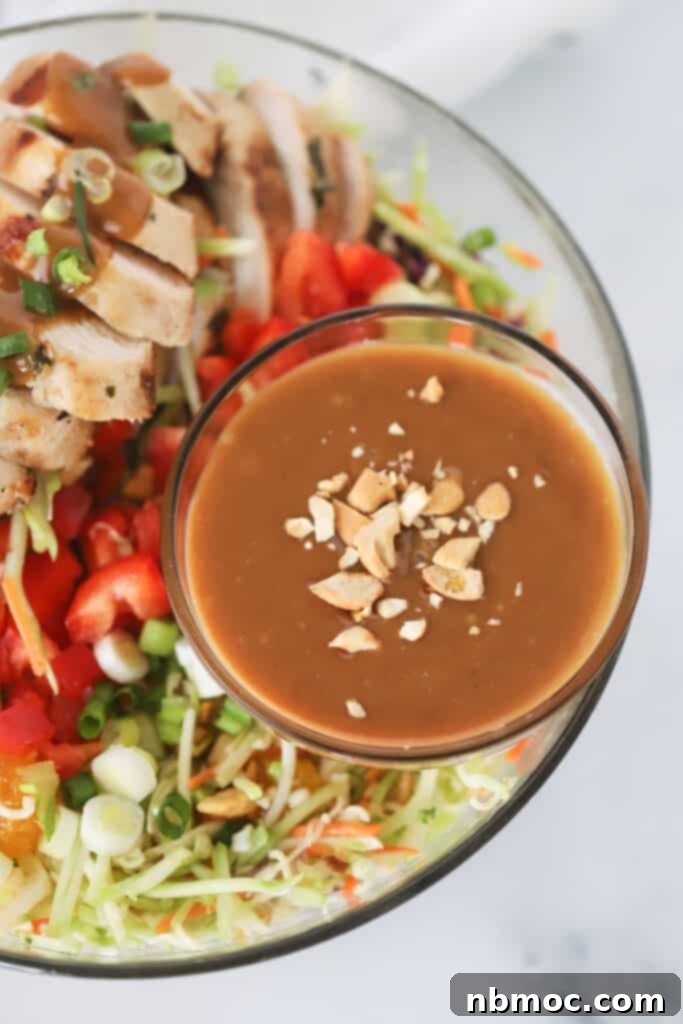
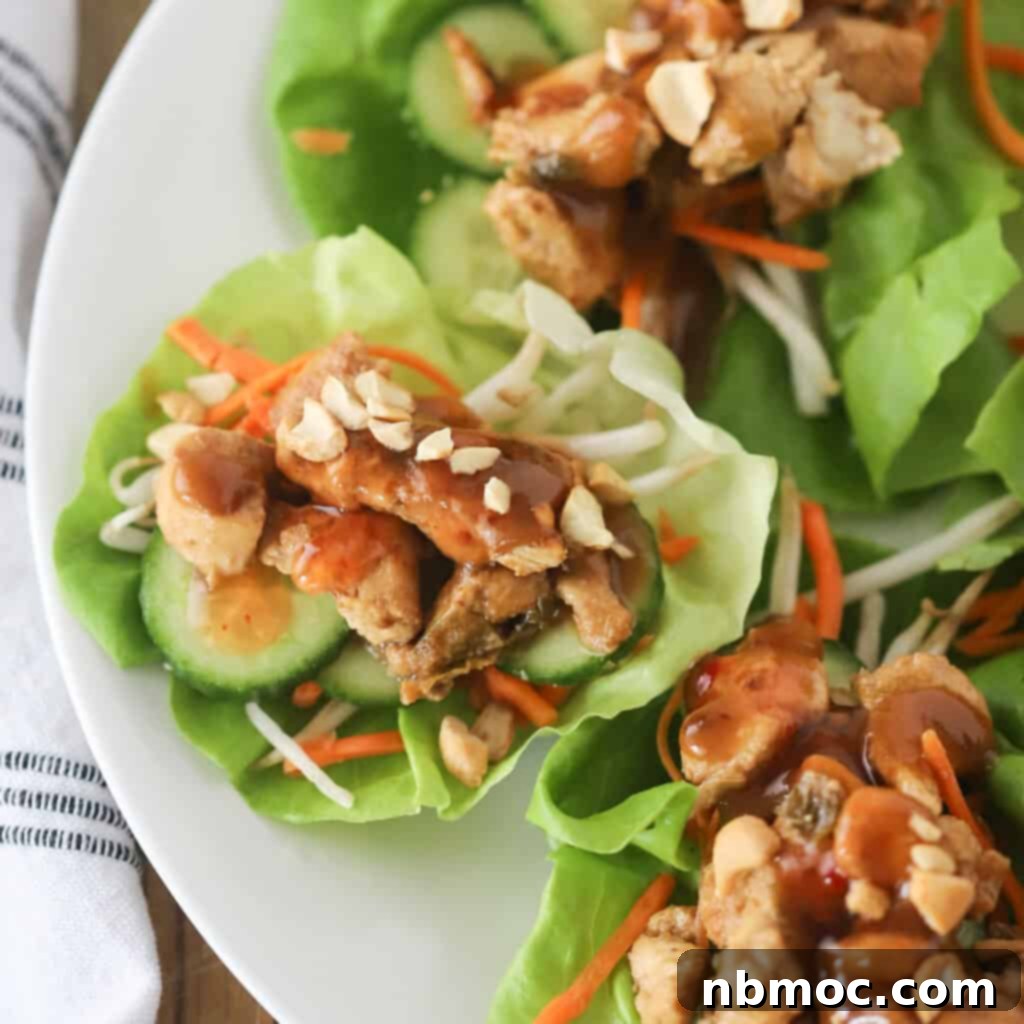
This versatile sauce is your ticket to culinary creativity. Drizzle it generously over Thai lettuce wraps, transforming them into a savory delight. Use it as a vibrant topping for grilled chicken, allowing its rich profile to infuse every bite. Toss it with your favorite rice noodles for a quick and satisfying meal, or stir it into a colorful stir-fry for an authentic Asian flair. Thinned slightly with water or coconut milk, it becomes an exquisite dressing for any green salad, adding a gourmet touch. The possibilities are truly endless, and each application promises a burst of exotic flavor that will tantalize your taste buds.
Why This Peanut Sauce Will Become Your Favorite
Once you experience the depth of flavor and incredible ease of making this Pad Thai Peanut Sauce, you’ll be hooked! It’s an “ahhhh-mazing” addition to so many dishes – from a simple chicken kabob to a crisp lettuce wrap. The blend of sweet, salty, and tangy elements creates a truly addictive taste sensation that will have everyone asking for your secret recipe. As a devoted fan of Thai cuisine, I can confidently say that this sauce elevates every dish it touches, adding an authentic and irresistible dimension. I’m thrilled to share this recipe, and I’m certain you’ll cherish it as much as my family does!
Essential Ingredients for the Perfect Thai Peanut Sauce
Crafting this incredible Pad Thai Peanut Sauce requires just a handful of readily available ingredients. Each component plays a crucial role in achieving that perfect balance of sweet, salty, and tangy flavors. Here’s a closer look at what you’ll need:
- Peanut Butter: This is the foundation of our sauce, providing its characteristic creamy texture and nutty flavor. While creamy peanut butter offers a silky-smooth finish, feel free to use crunchy peanut butter if you prefer a sauce with a bit more texture and nutty bits. Opt for natural peanut butter without added sugars or oils for the purest flavor, if possible.
- Water: Essential for thinning the sauce to your desired consistency, whether you prefer a thick dipping sauce or a pourable dressing. For an extra layer of richness and an authentic Thai touch, you can substitute water with an equal amount of full-fat coconut milk. This will lend a subtle sweetness and a wonderfully smooth mouthfeel.
- Sugar: Granulated sugar provides the necessary sweetness to balance the savory and tangy notes. However, you have several excellent alternatives. Brown sugar will add a deeper, molasses-like sweetness and a slightly richer hue. Cane sugar works equally well. For a more natural sweetness, a touch of maple syrup or honey can also be used, adjusting the quantity to taste.
- Soy Sauce: The backbone of the sauce’s umami and salty profile. Standard soy sauce is perfect, but if you’re mindful of sodium intake, low-sodium soy sauce is a great choice. For a gluten-free option, tamari is an excellent substitute that delivers the same depth of flavor without the wheat.
- White Wine Vinegar: This ingredient is vital for adding a bright, acidic tang that cuts through the richness of the peanut butter and rounds out all the flavors beautifully. If white wine vinegar isn’t on hand, rice wine vinegar makes a fantastic substitute, offering a slightly milder and sweeter acidity that is very common in Asian cuisine.
- Fresh Lime Juice: For the most vibrant and authentic flavor, always use freshly squeezed lime juice. Its bright, citrusy notes are crucial for balancing the richness and sweetness of the sauce. To preserve its fresh zest and prevent it from “cooking out,” it’s best to stir the lime juice in after the sauce has been removed from the heat.
Simple Steps to Create Your Homemade Pad Thai Peanut Sauce
Making this sensational peanut sauce is incredibly straightforward and quick. Follow these easy steps to whip up a batch in under 10 minutes:
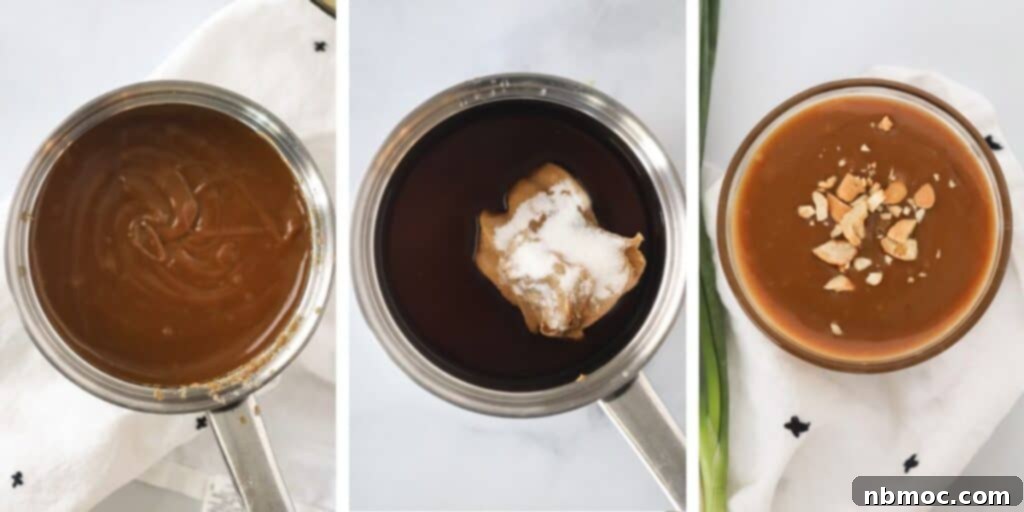
- Gently Heat the Ingredients: In a medium-sized saucepan, combine the peanut butter, water, sugar, soy sauce, and vinegar. Place the saucepan over medium-low heat. The key here is gentle heat to allow the ingredients to meld without burning the peanut butter.
- Stir Until Smooth and Dissolved: Continuously stir the mixture with a whisk or spoon. As it warms, the peanut butter will soften, and the sugar will dissolve. Continue stirring until you achieve a wonderfully smooth, uniform consistency. This usually takes just a few minutes.
- Incorporate Fresh Lime Juice: Once the sauce is smooth and the sugar is fully dissolved, remove the saucepan from the heat. Now, stir in the fresh lime juice. Adding it off the heat ensures its bright, fresh flavor remains prominent. Taste and adjust any seasonings if needed, perhaps a pinch more sugar or a dash more lime for your preferred balance.
- Serve or Store: Your delicious Pad Thai Peanut Sauce is now ready to enjoy! Serve it warm or cold, depending on your preference and how you plan to use it. If you have leftovers (which is unlikely!), store the sauce in an airtight container or jar in the refrigerator for up to 5 days.
Beyond Pad Thai: More Delicious Ways to Enjoy Your Homemade Peanut Sauce
While “Pad Thai” is in its name, the versatility of this homemade peanut sauce extends far beyond one dish. Its rich, complex flavor profile makes it an incredible companion to a vast array of cuisines. Here are just a few of my favorite ways to incorporate this delightful sauce into your meals:
- A Superior Dipping Sauce: Forget bland dipping options! This peanut sauce is perfect for fresh or fried spring rolls, chicken or beef satay skewers, crunchy raw vegetables like cucumber sticks and bell pepper strips, or even crispy tofu bites. It adds an irresistible layer of flavor to every dip.
- Elevate Your Stir-Fry Game: Transform your ordinary stir-fry into an extraordinary culinary creation. After cooking your favorite combination of vegetables, proteins (chicken, beef, shrimp, or tofu), and noodles, simply toss everything generously with this peanut sauce. It coats every ingredient beautifully, infusing the entire dish with authentic Asian flavor.
- A Flavorful Marinade: Thin down the sauce slightly with a bit of water or coconut milk, and use it as a marinade for grilled chicken, pork, or firm tofu. Let your proteins soak up the sweet, savory, and tangy notes for at least 30 minutes (or longer for deeper flavor) before grilling or baking. The result is incredibly tender and flavorful.
- The Ultimate Salad Dressing: Tired of the same old vinaigrettes? Thin this peanut sauce to a pourable consistency with a teaspoon or two of water or coconut milk, mixing well until it reaches your desired texture. It makes an incredible dressing for green salads, chopped salads, or even grain bowls, adding an exciting, creamy, and exotic touch.
- Jazz Up Sandwiches and Burgers: Step aside, mayonnaise and mustard! For a unique and flavorful twist, slather some of this peanut sauce on your sandwich bread or burger buns. It pairs exceptionally well with chicken or turkey sandwiches, adding a rich, savory depth that will surprise and delight your palate.
Frequently Asked Questions About Peanut Sauce
Is Peanut Sauce the same as Satay sauce?
Peanut Sauce is often used as an Americanized term for Asian satay sauce. While similar, traditional satay sauce (especially from countries like Indonesia, Malaysia, and Thailand) is typically made from ground roasted peanuts (or peanut butter) blended with a complex mix of other aromatic Asian ingredients. These often include coconut milk for richness, fresh ginger, minced garlic, soy sauce, tamarind paste for tang, lemongrass for citrusy notes, and various spices like red pepper flakes and cumin. Different Asian countries boast their unique regional versions, but the unifying factor is always peanuts as the primary ingredient. This Pad Thai Peanut Sauce is a simplified yet incredibly delicious version inspired by these traditional flavors.
Can you make Peanut Sauce gluten-free?
Absolutely! The only potential source of gluten in this specific peanut dipping sauce recipe is the soy sauce. To easily make it gluten-free, simply choose a certified gluten-free soy sauce option, such as tamari. Tamari offers a very similar flavor profile to traditional soy sauce but without the wheat content, making it a perfect substitute for those with gluten sensitivities or dietary preferences.
How long does peanut sauce last?
Homemade Thai Peanut Sauce is excellent for meal prepping. You can store it in an airtight container or a tightly sealed jar in the refrigerator for up to 5 days. For longer storage, it freezes beautifully. Transfer it to a freezer-safe container or bag, and it will keep for up to 2 months. Always label with the date of preparation for best freshness.
Can I use this as salad dressing?
Yes, definitely! This sauce transforms into a fantastic Thai Peanut Dressing. To achieve the perfect dressing consistency, simply thin it down with a touch of water or coconut milk. Add about 1 teaspoon at a time, mixing well after each addition, until you reach your desired pourable consistency. It adds a creamy, flavorful kick to any salad!
Is this peanut sauce healthy?
While peanut sauce is relatively healthy, offering protein and healthy fats from the peanuts, its nutritional value depends on portion size and overall diet. This recipe is made with fresh ingredients and avoids excessive oils or preservatives often found in store-bought versions. You can further enhance its health benefits by opting for natural peanut butter with no added sugar, reducing the amount of granulated sugar, or using a natural sweetener like honey, and choosing low-sodium soy sauce. Enjoy in moderation as part of a balanced diet.
Storage and Reheating Instructions
Proper storage ensures your delicious Pad Thai Peanut Sauce stays fresh and ready to use whenever a craving strikes:
- Refrigerator: To maintain optimal freshness and flavor, transfer any leftover peanut sauce to an airtight container or a clean jar. Store it in the refrigerator for up to 5 days. The sauce may thicken slightly when chilled, which is normal.
- Freezer: For longer storage, this peanut sauce freezes beautifully. Pour it into an airtight, freezer-safe container or a heavy-duty freezer bag. It can be frozen for up to 2 months. To thaw, simply transfer it to the refrigerator overnight. Stir well before using, as some separation may occur.
- To Reheat: If you prefer to serve your peanut sauce warm, or if it has thickened too much in the fridge, reheating is simple. You can gently warm it in the microwave for about 30 seconds, stirring halfway through, or heat it in a small saucepan over low heat, stirring constantly until it reaches your desired temperature and consistency. If it’s too thick, add a tiny splash of water or coconut milk while reheating.
More Thai Flavors You’ll Love
If you’re enjoying the vibrant tastes of Thai cuisine, you’ll love exploring these other incredible dishes:
- Chicken Curry Thai Soup
- Thai Chicken Salad
- Chicken Lettuce Wraps
- Spicy Peanut Chicken and Noodles
Pad Thai Peanut Sauce Recipe
Author: The Carefree Kitchen
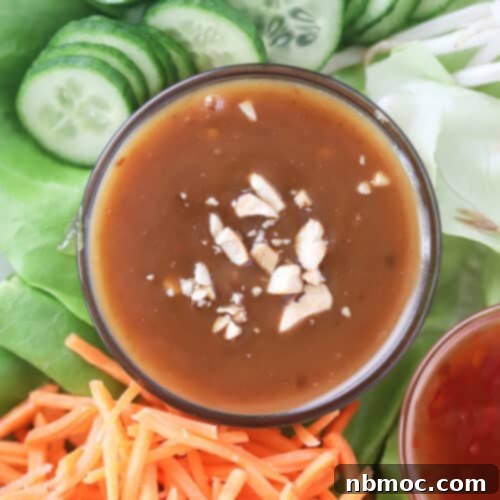
This homemade peanut Pad Thai sauce is a super easy recipe that can be used as a dipping sauce for spring rolls, drizzled over chicken or Pad Thai, or thinned down to make a simple Thai peanut dressing. It’s sweet, salty, tangy and only takes about 10 minutes to make.
Print Recipe |
Pin Recipe
Prep Time: 5 mins
Cook Time: 5 mins
Total Time: 10 mins
Yields: 8 people
Ingredients
- 1/4 cup peanut butter
- 2 tablespoons water
- 2 tablespoons sugar
- 1 tablespoon soy sauce
- 1/2 teaspoon white wine vinegar
- 1 teaspoon lime juice
Instructions
- In a medium saucepan over medium-low heat, add the peanut butter, water, sugar, soy sauce, and vinegar. Cook, stirring constantly, until the mixture becomes very smooth and the sugar has dissolved.
- Remove from the heat and stir in the lime juice.
- Serve warm or cold as a dipping sauce or dressing for any of your favorite Asian-inspired dishes. Enjoy!
Notes
Storing instructions: Store in an airtight container or jar in the fridge for up to 5 days, or in the freezer for up to 2 months. To thaw, transfer to the fridge overnight.
Reheating: Either microwave for about 30 seconds, or heat in a saucepan over low heat while stirring, adding a splash of water if needed to adjust consistency.
Nutrition
Carbohydrates: 5g |
Protein: 2g |
Fat: 4g |
Saturated Fat: 1g |
Polyunsaturated Fat: 1g |
Monounsaturated Fat: 2g |
Sodium: 161mg |
Potassium: 51mg |
Fiber: 0.4g |
Sugar: 4g |
Vitamin A: 0.3IU |
Vitamin C: 0.2mg |
Calcium: 5mg |
Iron: 0.2mg
Disclaimer: Nutritional values were calculated using a third-party tool and are provided as an estimation only.
Course: Condiments
Cuisine: Asian
Sharing this recipe with a link is both encouraged and appreciated. Copying/pasting and/or screenshots of full recipes to any social media is strictly prohibited. Content and photographs are copyright protected.
More Of Our Favorite Asian-Inspired Recipes
- Asian Beef Kabobs
- Korean Beef Stir Fry
- Quick Teriyaki Beef Stir Fry
- Chili Spiced Sweet Potatoes
- Grilled Teriyaki Salmon
- Coconut Rice
- More Salad Recipes
- More Condiments
This Pad Thai Peanut Sauce recipe is a testament to how simple ingredients can create an explosion of flavor. Its perfectly balanced salty, sweet, and tangy profile, coupled with a wonderfully creamy texture, makes it an indispensable condiment for any kitchen. Quick to make and incredibly versatile, it promises to elevate all your favorite Asian-inspired dishes and beyond. Give it a try and transform your meals with this delightful homemade sauce!