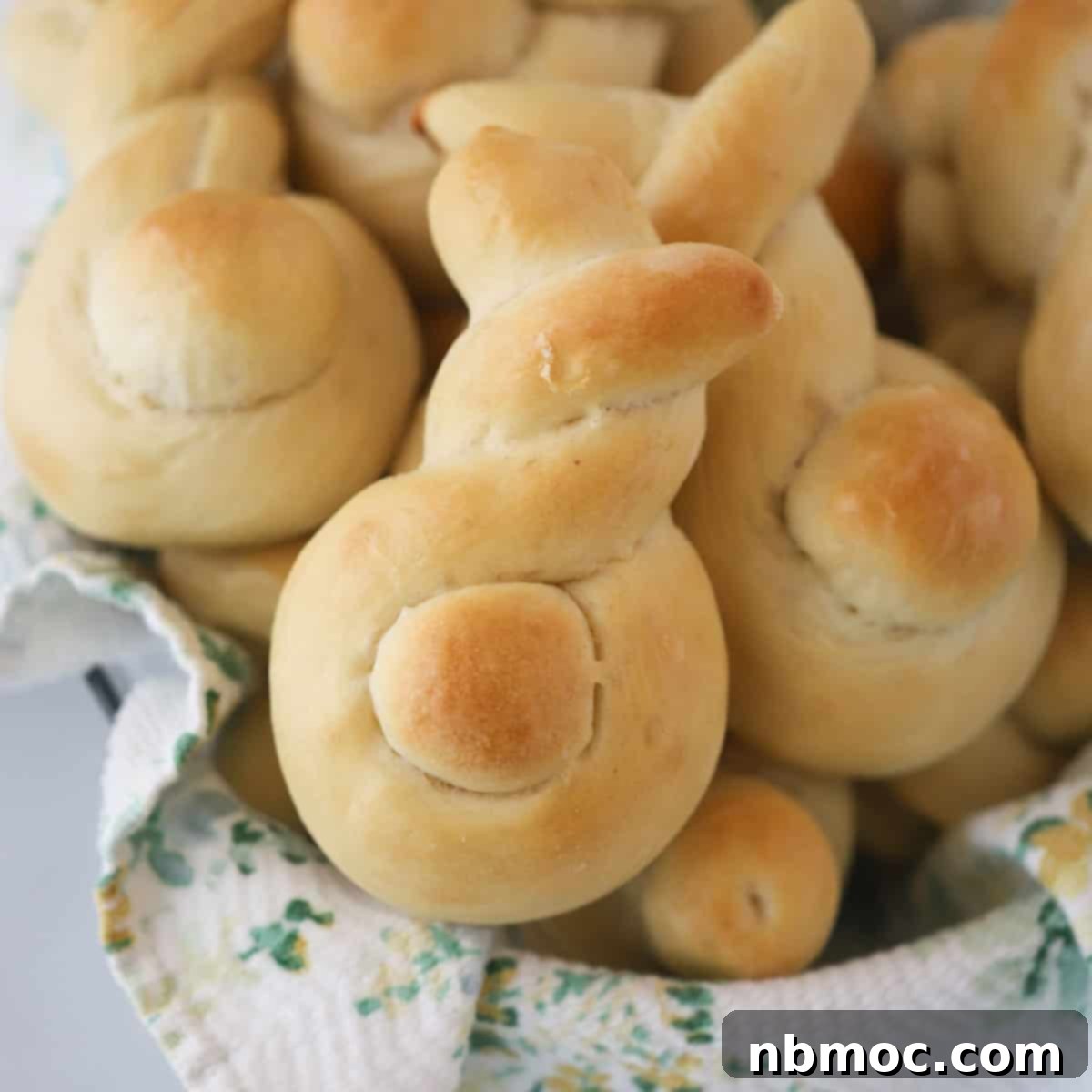
Welcome to the ultimate guide for crafting the most adorable and delicious Bunny Rolls! These charming bread rolls are the ideal centerpiece for your Easter dinner, brunch, or any spring celebration, guaranteed to bring smiles to everyone at the table. Imagine soft, fluffy, and perfectly buttery rolls, shaped like little bunnies, fresh from your oven. They’re not just cute; they’re incredibly simple to make, even for novice bakers, making them a truly rewarding addition to your festive spread.
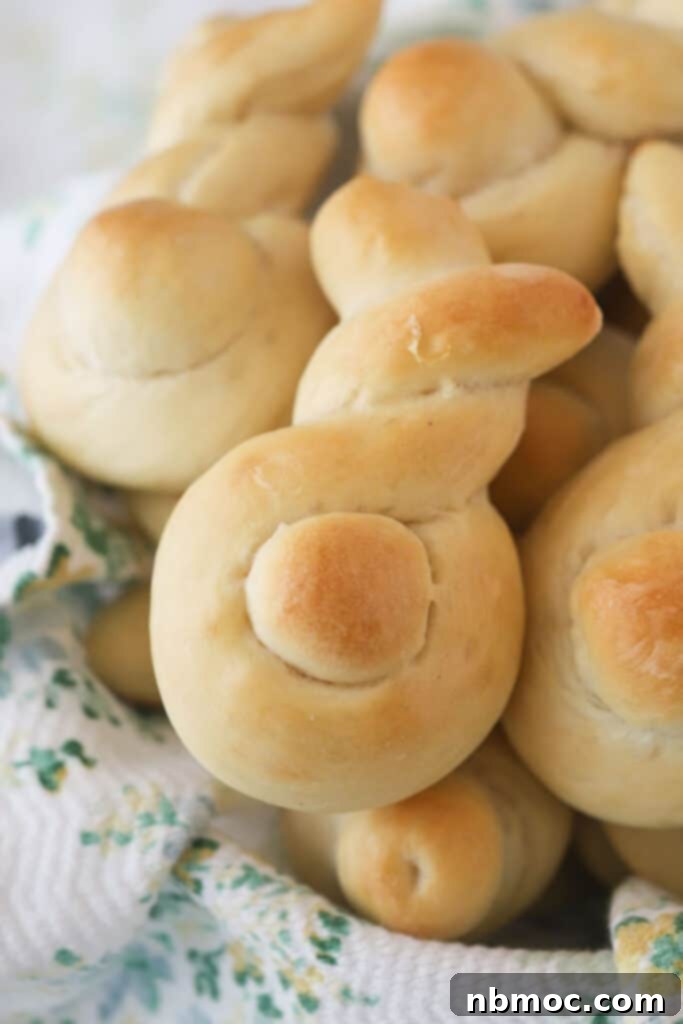
Easy Easter Bunny Rolls for Your Holiday Table
Don’t let the intricate appearance of these Easter Bunny Rolls intimidate you. We’re starting with our incredibly easy Quick Dinner Rolls dough, a foolproof yeasted dough recipe that’s perfect whether you’re a seasoned baker or just beginning your bread-making journey. The majority of your time will be spent waiting for the dough to rise, not actively working on it. This recipe transforms simple ingredients into a festive, show-stopping side dish with minimal fuss.
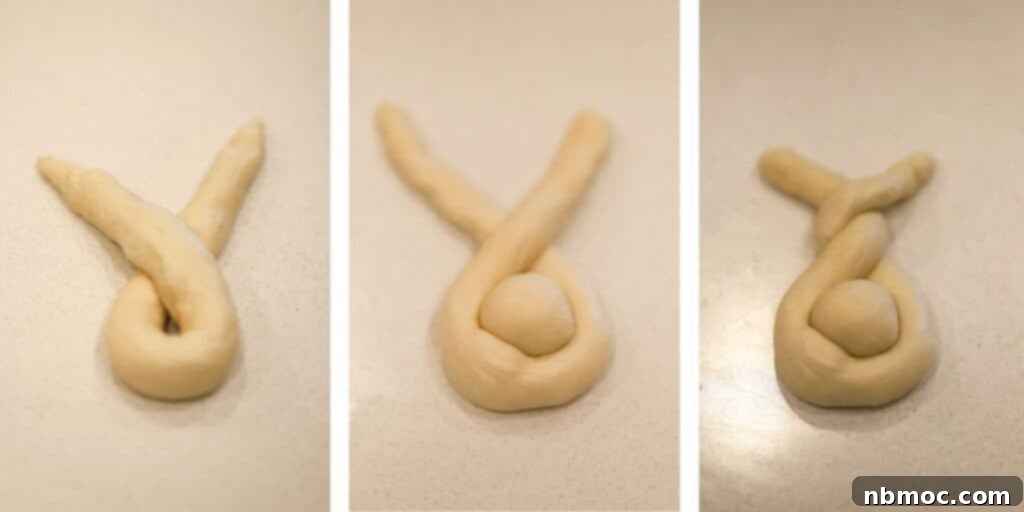
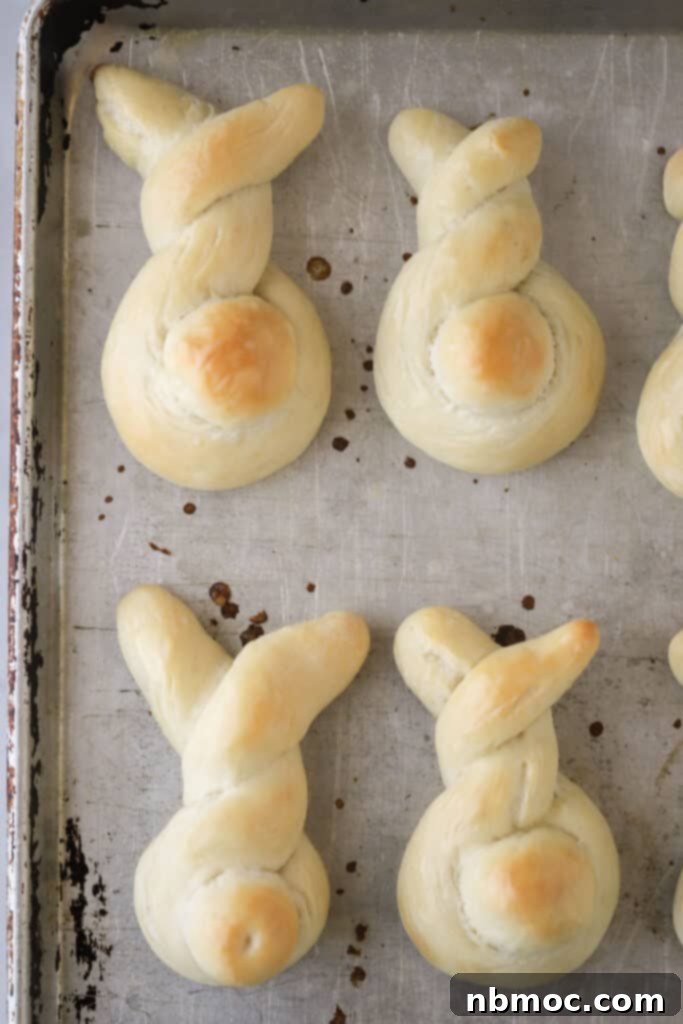
The magic happens in the shaping! It’s a delightful process that’s surprisingly straightforward and even kid-friendly. You’ll divide each dough ball into two pieces: one forms the round body, and the other is rolled into a log to create the ears. A simple wrap around the body and a gentle twist is all it takes to bring your little bunnies to life! This makes for a wonderful activity to involve children in the kitchen, adding an extra layer of joy to your holiday preparations.
While these rolls are delightful on their own with a brush of melted butter, feel free to customize them. A sprinkle of flaky sea salt before baking adds a lovely texture and flavor contrast. Or, for a savory twist, consider adapting the garlic butter sauce from our popular Garlic Butter Rolls Recipe. Imagine these charming bunnies infused with aromatic garlic butter – a truly irresistible combination for your Easter feast! For an extra dose of Easter charm, pair these with our delightful Bunny Cinnamon Rolls for an unforgettably adorable breakfast or dessert spread.
Why You’ll Adore Making These Bunny Rolls:
- Effortlessly Adorable: Their cute bunny shape is guaranteed to impress guests and delight children, making them a conversation starter at any Easter gathering.
- Incredibly Soft & Buttery: Made with a rich, yeasted dough, these rolls are tender, fluffy, and melt-in-your-mouth delicious.
- Simple & Approachable: Based on a quick and easy dinner roll recipe, even beginners can achieve bakery-quality results.
- Festive & Fun: Perfect for Easter dinner, brunch, or a spring celebration, they add a special touch to your holiday menu.
- Kid-Friendly Activity: Shaping the bunnies is a fun project for little hands, making holiday prep a family affair.
- Make-Ahead Convenience: Prepare the dough or shape the rolls the day before to reduce stress on the holiday itself.
Essential Ingredients for Fluffy Bunny Rolls
Crafting these perfect bunny rolls requires a few basic ingredients, each playing a crucial role in achieving that wonderfully soft, rich, and fluffy texture. Here’s a breakdown of what you’ll need and why:
- Warm Water: Critical for activating the yeast. Aim for a temperature around 105-115°F (40-46°C). Water that’s too hot can kill the yeast, while water that’s too cold won’t activate it effectively. Think bathwater warm.
- Active Dry Yeast: This is the leavening agent that makes your rolls rise and become light and airy. Active dry yeast needs to be “woken up” by combining it with warm water and a little sugar, allowing it to bloom and become bubbly. If you opt for instant yeast, you can typically skip this activation step and mix it directly with the dry ingredients, though adjust rising times as it often works faster.
- Granulated Sugar: Beyond adding a touch of sweetness to the rolls, sugar serves as food for the yeast, helping it to activate and thrive. It also contributes to the golden-brown crust during baking. Honey can be used as a natural alternative for a slightly different flavor profile.
- Low-Flavor Cooking Oil: Such as vegetable oil, canola oil, or avocado oil. Oil adds moisture and richness to the dough, contributing to the rolls’ soft texture and helping to keep them fresh longer.
- Large Egg: An egg enriches the dough, adds flavor, and helps bind the ingredients together. It also contributes to a tender crumb and a slightly golden hue in the final baked rolls.
- Salt: A seemingly small ingredient, salt is incredibly important! It enhances the flavor of the bread, balances the sweetness, and, crucially, helps to regulate yeast activity and strengthen the gluten structure, preventing the dough from over-rising and ensuring a good texture. Don’t skip it!
- All-Purpose Flour: The primary structural component of our rolls. All-purpose flour is versatile and works wonderfully for soft dinner rolls. If you prefer a chewier texture, you can substitute bread flour, but be prepared to adjust the liquid content slightly as bread flour absorbs more moisture. Always watch your dough’s consistency – it should be smooth, elastic, and slightly shiny.
- Milk (for brushing): A light brush of milk before baking promotes a beautiful, golden-brown crust, adding to the visual appeal of your bunny rolls. Whole milk or 2% milk work best for this purpose.
- Melted Butter (for brushing): Brushed on immediately after baking, melted butter provides a luscious, shiny finish and infuses the rolls with an irresistible buttery flavor, elevating them from good to extraordinary.
How to Make Adorable Bunny Easter Rolls
Follow these simple steps to create a batch of delightful bunny rolls that will charm your guests and elevate your Easter spread:
Mix the Dough
- Activate the Yeast: In the bowl of your stand mixer, combine the warm water (around 110°F / 43°C), active dry yeast, and granulated sugar. Give it a gentle stir. Let this mixture sit undisturbed for about 5-7 minutes. You’ll know the yeast is active and healthy when it becomes foamy and bubbly on the surface, indicating it’s ready to work its magic.
- Combine Wet and Dry Ingredients: To the activated yeast mixture, add the vegetable oil, egg, and salt. Mix gently to combine these wet ingredients. Then, add the first 2 cups of all-purpose flour. Attach the dough hook to your stand mixer and begin mixing on low speed. At this stage, the dough will be quite sticky and shaggy, which is perfectly normal.
- Knead the Dough: Gradually add the remaining 2/3 cup of flour, a little at a time, while the mixer continues to run on low speed. Continue mixing until the dough starts to pull away cleanly from the sides of the bowl. The goal is to achieve a dough that is soft, pliable, and slightly sticky but manageable. Once all the flour is incorporated and the dough begins to clean the sides of the bowl, continue kneading on low speed for another 2 minutes. This brief kneading helps to develop the gluten, which is essential for soft and elastic rolls.
- First Proof: Turn off the mixer and cover the bowl loosely with a clean kitchen towel or plastic wrap. Place the dough in a warm, draft-free spot (like a slightly warmed oven turned off, or near a sunny window). Let the dough rise until it has doubled in size, which typically takes about 30-45 minutes, depending on the warmth of your environment. This first rise develops flavor and creates that airy texture.
Shape the Rolls
- Prepare for Shaping: Once the dough has doubled, gently punch it down to release the air. Transfer the dough to a lightly floured surface and knead it lightly for a few seconds to ensure even consistency. Divide the dough into 12 equal pieces. For best results and consistent sizing, you can use a kitchen scale.
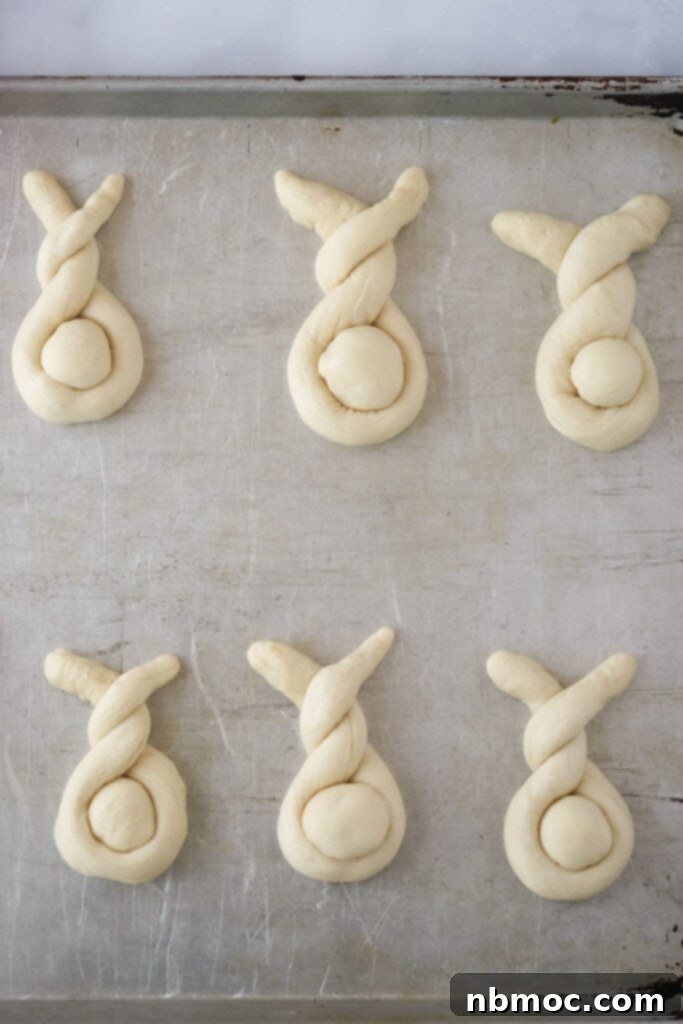
- Form the Bunny Shapes: From each of the 12 pieces, pinch off a very small ball of dough to form the bunny’s tail. Roll the remaining larger piece of dough into a rope, approximately 12-18 inches long. Carefully make a small twist in the center of the rope, creating a loop. Place the small dough ball (the “tail”) into the bottom of this loop. Then, twist the top part of the rope again, slightly separating the two ends, to form the bunny’s ears. Gently arrange the ears to stand up.
- Arrange on Baking Sheet: Carefully transfer each shaped bunny roll to a large baking sheet generously greased or lined with parchment paper, ensuring there is enough space between each roll for a second rise. Repeat this process with all the dough pieces until you have 12 adorable bunnies on your baking sheet.
- Second Proof: Loosely cover the shaped bunny rolls with a kitchen towel or plastic wrap again. Let them sit in a warm place for another 15-30 minutes, or until the rolls appear noticeably puffy and have nearly doubled in their original shaped size. This second rise is crucial for light and airy rolls.
Bake
- Preheat Oven: While the rolls are completing their second rise, preheat your oven to 350°F (175°C).
- Brush and Bake: Once the rolls have sufficiently risen, remove the towel. Lightly brush the tops of the bunny rolls with milk. This step helps achieve a beautiful golden-brown crust. Place the baking sheet in the preheated oven and bake for 12-15 minutes, or until the tops are a lovely golden brown and the rolls sound hollow when tapped lightly.
- Butter and Serve: Carefully remove the baked rolls from the oven. Let them cool on the baking sheet for just 1-2 minutes. While still warm, brush the tops generously with melted butter. This adds shine, moisture, and an irresistible buttery flavor. Serve warm and enjoy these festive, homemade treats!
Expert Tips for Perfect Bunny Rolls
Achieving bakery-quality bunny rolls at home is easier than you think with these expert tips:
- Yeast Freshness is Key: Always check the expiration date on your yeast. If your yeast doesn’t get bubbly during the activation step, it’s likely inactive, and you’ll need new yeast. An inactive yeast means your rolls won’t rise.
- Dough Consistency Matters: The dough should be soft, slightly sticky, but able to pull away from the sides of the bowl. Avoid adding too much flour, as this can lead to dry, dense rolls. A humid kitchen might require slightly more flour, while a dry one might need less. Trust the feel of the dough over strict measurements after the initial additions.
- Warm Proofing Environment: Yeast loves warmth. A warm, draft-free spot is ideal for rising. If your kitchen is cool, try placing the covered bowl in an oven that has been briefly warmed and then turned off, or near a sunny window. This consistent warmth ensures a good rise.
- Don’t Overbake: Overbaking is a common culprit for dry rolls. Keep a close eye on them, removing them from the oven as soon as they are golden brown on top. They will continue to cook slightly from residual heat once removed.
- Brush with Butter Immediately: Applying melted butter to the rolls while they are still hot allows it to soak in, creating a rich flavor and a beautiful, soft, shiny crust.
- Get Kids Involved: Shaping these rolls is a fantastic activity for children. Their enthusiasm will make the process even more enjoyable, and they’ll love eating their own creations!
Frequently Asked Questions (FAQs)
Why aren’t my rolls soft and fluffy?
Dense rolls usually stem from issues with dough mixing, kneading, or proofing.
- Mixing & Kneading: You need to mix the dough enough for the gluten to develop properly, making it stretchy and allowing it to pull away from the bowl’s sides. Under-mixing won’t develop enough gluten, while over-mixing can break it down, both leading to dense results. Aim for a smooth, elastic, and slightly tacky dough.
- Proofing: Both under-proofing (not allowing enough rise time) and over-proofing (letting the dough rise too long, causing the yeast to exhaust itself) can result in dense rolls. Ensure your dough doubles in size during each rise, indicating optimal yeast activity and air incorporation.
Can I substitute instant yeast for active dry yeast?
Yes, you can! When using instant yeast for these rolls, you’ll generally only need ¾ tablespoon instead of a full tablespoon. Instant yeast is designed to work faster and often doesn’t require the initial activation step. You can typically just add it directly with your dry ingredients. However, keep a close eye on the rising times, as the dough might rise more quickly than with active dry yeast.
Can I make the dough ahead of time?
Absolutely! This is a great time-saver for holiday baking. You have a couple of options:
- Dough Overnight: Mix the dough as directed, then cover the bowl tightly with plastic wrap and let it rise slowly in the refrigerator overnight (up to 24 hours). The cold temperature retards the yeast activity, allowing for a long, slow rise that develops more flavor. The next day, pull the dough from the fridge and let it come to room temperature for about 30-60 minutes before punching it down, shaping, and proceeding with the recipe.
- Shaped Rolls Overnight: Alternatively, mix and shape the rolls into their bunny forms, then arrange them on a greased baking sheet, cover loosely with plastic wrap, and refrigerate overnight. The next day, take the shaped rolls out of the fridge and let them sit at room temperature for 30-60 minutes while your oven preheats, allowing them to warm up and complete their final rise before baking.
What if my yeast doesn’t get bubbly?
If your yeast mixture doesn’t become foamy or bubbly after 5-7 minutes, it’s likely that your yeast is old, inactive, or the water temperature was incorrect (too hot or too cold). Unfortunately, if the yeast isn’t active, your dough won’t rise. You’ll need to discard that batch and start over with fresh yeast and ensuring the correct water temperature.
Can I add other flavors or toppings?
Definitely! While simple butter is divine, you can experiment. For savory rolls, brush with garlic butter after baking, or sprinkle with dried herbs like rosemary or thyme before baking. For a slightly sweeter touch, a light sprinkle of cinnamon sugar or a simple powdered sugar glaze after cooling would also be delicious, though less traditional for dinner rolls.
Storing and Make-Ahead Instructions
These bunny rolls are best enjoyed fresh from the oven, but here’s how to store them and prep them in advance:
- Room Temperature: Store any leftover, completely cooled rolls in an airtight container at room temperature for up to 3 days. They’re still delicious, though they’ll start to lose a bit of their initial softness.
- Refrigerator: For slightly longer storage, keep cooled rolls in an airtight container in the fridge for up to 5 days. Reheat gently in the oven or microwave before serving for best results.
- Freezer: To extend their shelf life, transfer completely cooled rolls to freezer-safe bags or an airtight container. Store frozen for up to 2 months. Thaw at room temperature and reheat as desired.
- Make-Ahead Dough: As mentioned in the FAQs, you can prepare the dough the day before. Mix the dough, cover it tightly, and store it in the refrigerator overnight. The next day, bring it to room temperature for about 30-60 minutes before punching down, shaping, and baking as directed.
- Make-Ahead Shaped Rolls: You can also shape the rolls, arrange them on a greased baking sheet, cover loosely with plastic wrap, and refrigerate overnight. On the day of serving, remove them from the fridge, let them come to room temperature while your oven preheats (approximately 30-60 minutes), and then bake as instructed. This is a fantastic way to have fresh, warm rolls with minimal effort on the big day.

Bunny Dinner Rolls Recipe
Author: The Carefree Kitchen
Rating: 5 out of 5 stars based on 1 vote
These cute Easter Bunny rolls are the perfect addition to Easter dinner or brunch. They’re soft, fluffy, buttery, and really simple to make.
Print Recipe | Pin Recipe
Prep Time: 15 mins
Cook Time: 15 mins
Rising Time: 1 hr
Total Time: 1 hr 30 mins
Yields: 12 Rolls
Ingredients
- 1 cup water, warm (about 110 degrees F)
- 1 tablespoon active dry yeast
- 3 tablespoons sugar
- 3 tablespoons vegetable oil
- 1 large egg
- 1 teaspoon salt
- 2-2/3 cups all-purpose flour
- 2 tablespoons milk
- 2 tablespoons butter, melted
Instructions
Mix the Dough
- In the bowl of a stand mixer, add the warm water, yeast, and sugar and mix to combine. Let sit for about 5 minutes, or until the yeast mixture starts to get bubbly.
- Add the oil, egg, and salt to the yeast mixture and mix, then add 2 cups of flour and begin to mix using the dough hook attachment. At this point, the dough will be very sticky.
- Continue to add up to 2/3 cup flour to the dough, until the dough starts to pull away from the edges of the bowl as you mix. Once you have added all of the flour, mix on low speed for about 2 minutes to knead. Turn the mixer off, cover the bowl loosely with a kitchen towel or plastic wrap and let the dough rise until light and puffy, or about 30-45 minutes.
Shape the Rolls
- Punch the dough down and knead lightly, then separate the dough into 12 even pieces. From those 12 pieces, take a small ball of dough to form the tail. Roll the dough into a 12-18″ rope. Make a small twist in the center of the dough and place the ball of dough (tail). Twist the top again to form the ears. Place the bunny shape on a large greased baking sheet. Repeat the process with all the dough to make 12 bunnies.
- Cover loosely again and let the dough sit in a warm place for 15-30 minutes, or until the rolls are about double the original size.
Bake
- Preheat the oven to 350 degrees F (175°C).
- Remove the towel and brush the rolls lightly with milk. Bake in the preheated oven for 12-15 minutes, or until golden brown on top.
- Remove from the oven and let cool for 1-2 minutes, then brush the tops with melted butter. Enjoy!
Notes
Storing instructions: Store rolls in an airtight container at room temperature for up to 3 days, in the fridge for up to 5 days, or in the freezer for up to 2 months.
Make-ahead tips: You can make the dough the day before, cover, and store in the fridge. The next day, pull to room temperature for about 30 minutes before shaping and baking as directed. You can also preshape the rolls, cover, and store in the fridge overnight. The next day, pull the rolls out to room temperature while you preheat the oven and bake as directed.
Nutrition (estimated per roll)
- Calories: 180 kcal
- Carbohydrates: 27g
- Protein: 4g
- Fat: 6g
- Saturated Fat: 2g
- Polyunsaturated Fat: 1g
- Monounsaturated Fat: 3g
- Trans Fat: 0.1g
- Cholesterol: 21mg
- Sodium: 220mg
- Potassium: 43mg
- Fiber: 1g
- Sugar: 3g
- Vitamin A: 81IU
- Vitamin C: 0.001mg
- Calcium: 11mg
- Iron: 2mg
Disclaimer: Nutritional values were calculated using a third-party tool and are provided as an estimation only.
Course: Bread, Side Dish
Cuisine: American
Sharing this recipe with a link is both encouraged and appreciated. Copying/pasting and/or screenshots of full recipes to any social media is strictly prohibited. Content and photographs are copyright protected.
Did you make this?
Don’t forget to leave a rating below and make sure to follow on Pinterest, Instagram and Tiktok for more!
More Delicious Easter Recipes
Round out your holiday menu with some of our other favorite Easter-friendly dishes:
- Fresh Spring Pea Salad
- Sweet Coconut Macaroon Easter Nests
- Classic & Amazing Carrot Cake
- Perfect Hard Boiled Eggs
- Creamy Deviled Eggs
- Savory Bacon Wrapped Asparagus
- Hearty Bacon and Asparagus Quiche
- Indulgent Cadbury Cookie Bars
- Explore more Easter Dinner Menu Ideas
- Discover other Easy Bread Recipes
These soft, fluffy, and undeniably adorable Easter Bunny Rolls are more than just a side dish; they’re a festive experience. With simple steps, accessible ingredients, and helpful make-ahead options, you can easily add this charming touch to your Easter brunch or dinner menu. Get ready to bake, share, and enjoy the smiles these delightful rolls will bring!