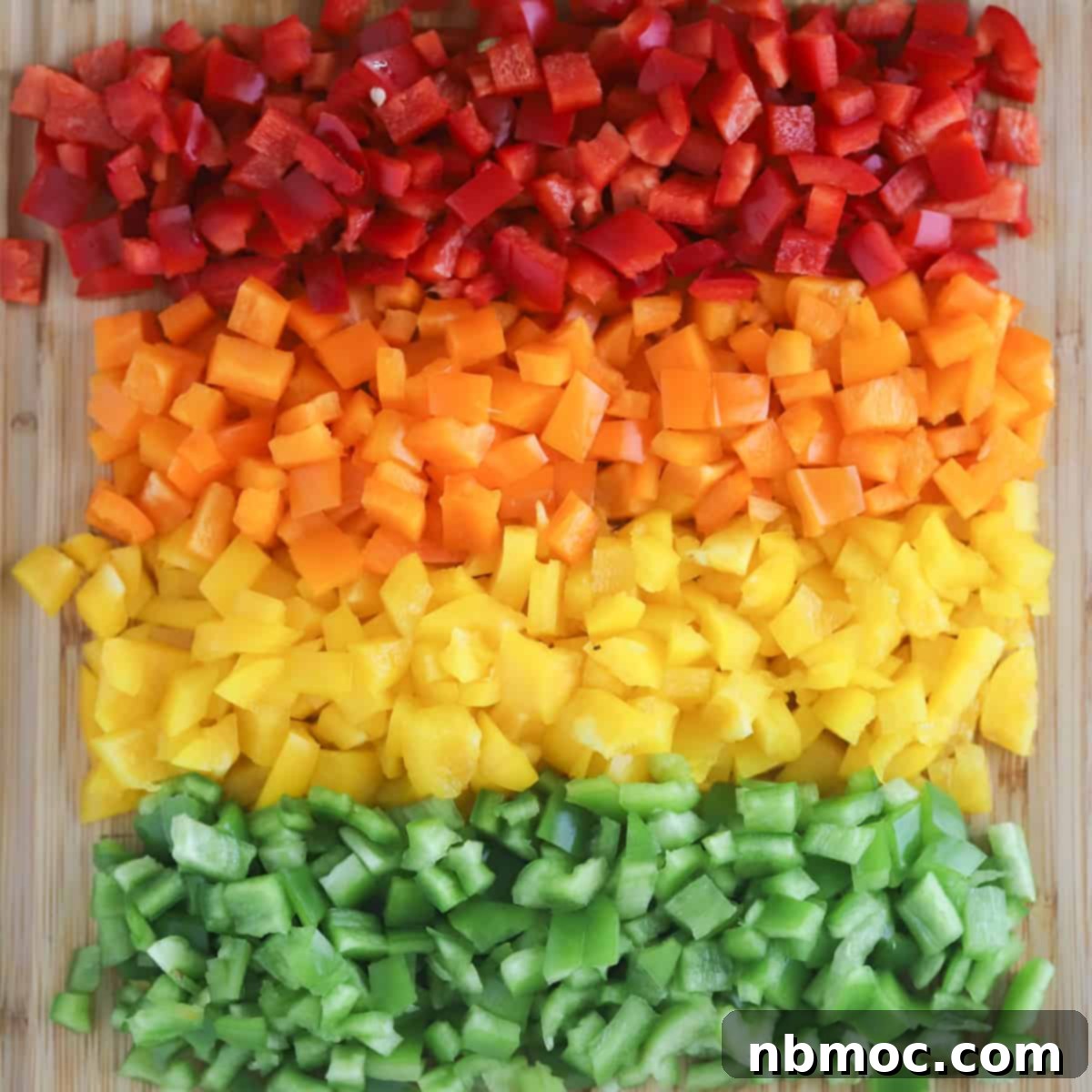
This ultimate guide on How to Freeze Bell Peppers will revolutionize your kitchen, helping you save money, significantly reduce food waste, and give you a powerful head start on countless delicious recipes. Once frozen, these versatile vegetables become an effortless addition to soups, hearty stews, comforting casseroles, vibrant stir-fries, and so much more, making meal prep a breeze.
Mastering the art of freezing bell peppers is a game-changer for any home cook. You’ll soon find yourself dedicating a dedicated section of your freezer to them, not just for the incredible convenience but also for the substantial savings in both time and money it brings throughout the year.
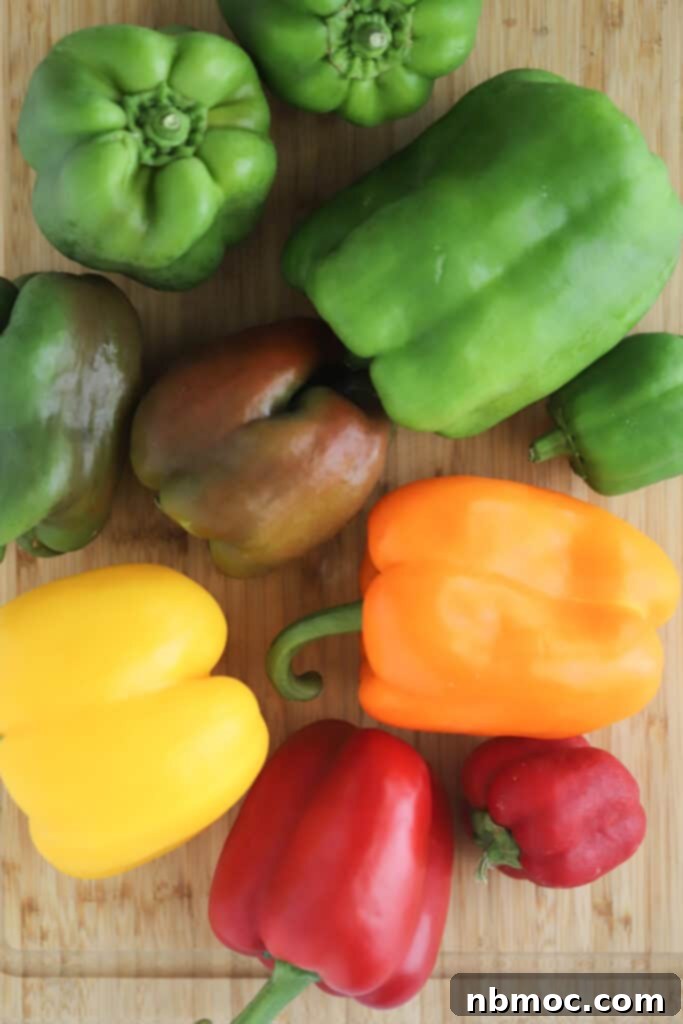
Why You’ll Love Freezing Bell Peppers
Freezing bell peppers offers a multitude of benefits that extend far beyond simple storage. It’s a smart culinary strategy that enhances efficiency and economy in your kitchen:
- Significant Cost Savings: Bell peppers often fluctuate dramatically in price, being either incredibly affordable or surprisingly expensive. By freezing them, you can strategically stock up when they are in season, on sale, or when your garden yields an abundant harvest. This allows you to enjoy them year-round without paying premium off-season prices.
- Effective Food Waste Reduction: Don’t let those extra bell peppers languish and spoil in your refrigerator. Freezing them is an excellent way to extend their shelf life, ensuring that every vibrant pepper gets used instead of being discarded, contributing to a more sustainable kitchen.
- Ultimate Meal Prep Convenience: Imagine having perfectly chopped or sliced bell peppers at your fingertips, ready to be tossed into any recipe. Pre-chopped and frozen peppers eliminate a time-consuming step during busy weeknights, drastically cutting down your meal preparation time and making healthy cooking more accessible.
- Preserve Freshness and Flavor: While freezing slightly alters the texture, it remarkably locks in the fresh flavor and nutritional value of bell peppers. This means you can enjoy the taste of summer peppers even in the depths of winter.
- Versatile Ingredient: Frozen bell peppers are incredibly versatile, fitting seamlessly into a vast array of cooked dishes without needing to thaw them beforehand. Their vibrant colors and sweet flavor remain intact, enhancing any meal.
How to Freeze Bell Peppers: The Easy Way
Whether you’re capitalizing on a great grocery store sale, wrestling with a bountiful garden harvest, or simply aiming to streamline your meal prep, learning how to properly freeze bell peppers is an invaluable skill. This method allows you to take advantage of low prices and save precious time by having pre-prepped vegetables always on hand.
Frozen bell peppers excel in any recipe where they will be cooked. Their slightly softened texture after freezing makes them perfect for dishes like hearty soups, rich stews, comforting casseroles, and more. Below, we’ll delve into a plethora of recipe ideas, but feel free to incorporate them into any of your cherished family favorites. Your future self will undoubtedly thank you for this smart, forward-thinking approach to cooking!
Understanding the Texture: What to Do With Frozen Bell Peppers
It’s important to note that while freezing peppers perfectly preserves their delightful flavor, it does undeniably affect their texture. Once thawed, bell peppers will never regain the crisp, crunchy consistency they had when fresh. The freezing process causes the water inside the pepper cells to expand, breaking down the cell walls, which results in a softer, slightly flaccid texture.
Because of this textural change, frozen bell peppers are ideally suited for cooked applications. They shine in recipes where their softer texture is either desired or won’t detract from the overall dish. Think warming soups, slow-cooked stews, bubbling casseroles, hearty chili, vibrant stir-fries, and any other dish that involves cooking. They melt beautifully into sauces and blend seamlessly into baked goods, adding a burst of flavor and color without the need for a crisp bite.
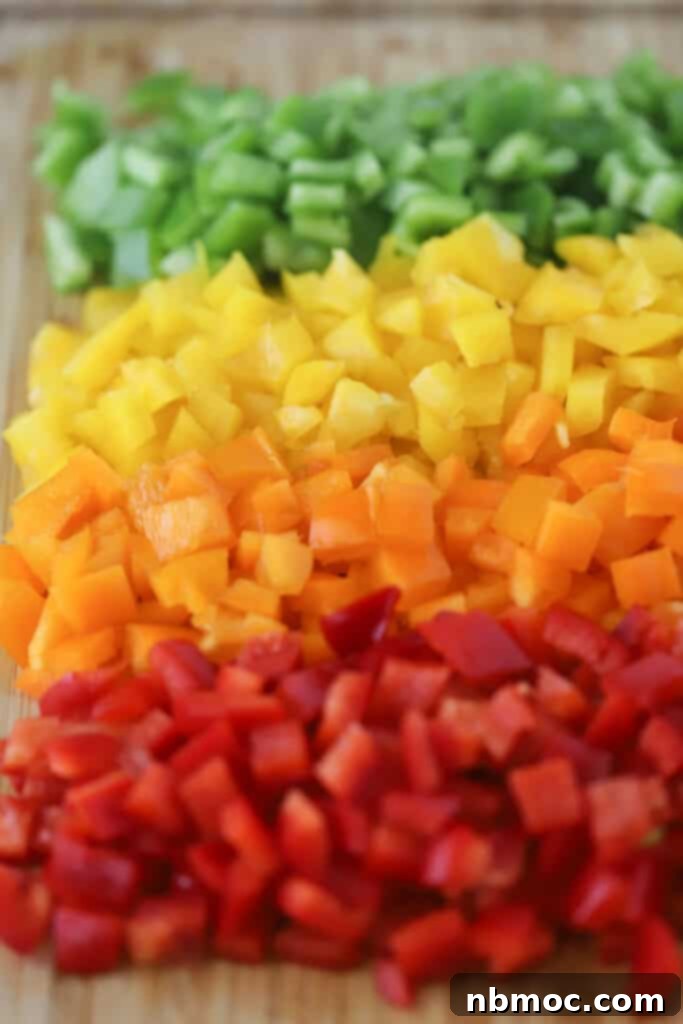
Step-by-Step Guide for Freezing Bell Peppers
Follow these simple steps to successfully freeze your bell peppers and ensure they retain their quality and flavor for future culinary adventures:
- Choose and Clean Your Peppers: Start with firm, vibrant, and unblemished bell peppers of any color. Wash them thoroughly under cold running water to remove any dirt or debris. Pat them completely dry with a clean kitchen towel or paper towels. Moisture is the enemy of freezing, as it can lead to excessive ice crystals and freezer burn.
- Prepare the Peppers: Carefully cut around the stem of each bell pepper, then remove the stem, all seeds, and any white membrane inside. These parts can add bitterness. Once cleaned, dice, slice into strips, or chop the peppers into your desired size and shape. Think about how you typically use peppers in recipes; this will guide your cutting style. Pat the cut pieces dry again with paper towels to eliminate any remaining surface moisture.
- Flash Freeze for Best Results (Recommended): For optimal results and to prevent the peppers from clumping together into a solid block, flash freezing is highly recommended. Spread the diced or sliced pepper pieces in a single layer on a baking sheet lined with parchment paper. Ensure none of the pieces are touching each other. Place the baking sheet in the freezer for at least 1-2 hours, or until the pepper pieces are completely frozen solid. This initial freezing step allows each piece to freeze individually.
- Transfer to Freezer Bags: Once the peppers are flash-frozen, transfer the solid pieces from the baking sheet into freezer-safe bags or airtight containers. If you skipped flash freezing, you can directly transfer your prepped peppers to freezer bags now. Arrange them evenly in the bags, aiming for a layer of no more than 1 inch thick to facilitate quick freezing and easy portioning later.
- Remove as Much Air as Possible: This is a crucial step for preventing freezer burn. If using freezer bags, gently press out as much air as you can before sealing. A straw can be used to suck out remaining air just before the final seal. For vacuum sealers, follow the manufacturer’s instructions. Less air means better preservation.
- Seal and Label: Seal the freezer bags or containers tightly. Clearly label each bag with the date of freezing and the contents (e.g., “Diced Bell Peppers – Oct 2024”). This helps you keep track of freshness and ensures you use the oldest peppers first.
- Freeze: Lay the bags flat in the freezer for at least 1 hour, allowing them to fully freeze in an organized manner. Once solid, you can stack the bags on top of each other to maximize freezer space.
Essential Tips for Freezing and Using Bell Peppers
To ensure your frozen bell peppers are of the highest quality and provide maximum convenience, keep these expert tips in mind:
- Select the Best Peppers: Always choose firm, brightly colored, and unblemished bell peppers. Avoid any that are soft, shriveled, or show signs of spoilage. If there’s a small bruise or brown spot, simply cut it off and use the healthy flesh.
- Chop According to Use: Consider your most frequent recipes. Dice your peppers for chili or scrambled eggs, slice them into strips for fajitas or stir-fries, or chop them larger for stews. Pre-cutting them into the shapes you’ll actually use saves you time later.
- Thoroughly Pat Dry: Excess moisture on the surface of the peppers is the primary cause of ice crystals and freezer burn. Dedicate extra time to patting the peppers completely dry after washing and before freezing.
- Use Straight from the Freezer: For most cooked dishes like stir-fries, soups, casseroles, omelets, or pasta sauces, there’s no need to thaw frozen bell peppers. Add them directly to your hot pan or pot. They will cook down and soften beautifully as the dish simmers.
- Label Your Storage: Never underestimate the importance of clear labels. Include the date of freezing and the type of pepper (e.g., “Red Bell Pepper Strips – 10/24”). For best quality, aim to use frozen bell peppers within 10-12 months.
- Remove Air Effectively: Whether using a vacuum sealer or manually squeezing air out of freezer bags, minimizing air exposure is key to preventing freezer burn and maintaining quality.
- Portion Smartly: Freeze peppers in amounts that you typically use in a single recipe. This prevents you from having to thaw and refreeze large batches, which can compromise texture and flavor.
- No Blanching Required: Unlike some other vegetables, bell peppers do not require blanching (briefly boiling then chilling) before freezing. This makes the process even simpler!
Frequently Asked Questions About Freezing Bell Peppers
Absolutely! This freezing method works wonderfully for almost any kind of pepper you’d like to preserve, including hot peppers such as jalapeños, serranos, or even habaneros. It’s particularly useful if you’re growing peppers in your home garden and find yourself with a surplus, or if you’ve purchased peppers that are nearing their prime and you want to prevent them from spoiling.
While it is technically possible to freeze bell peppers whole, it is generally not recommended. Whole peppers take up a significant amount of freezer space, which can be inefficient. Furthermore, one of the main advantages of freezing peppers is the convenience it offers for meal prep. Freezing them pre-cleaned, cored, and chopped means they are ready to use immediately in your recipes, saving you time and effort when you’re cooking. For these reasons, we highly advise cleaning and dicing or slicing them before freezing.
No, bell peppers do not require blanching before freezing. Many vegetables benefit from blanching to help preserve their color, flavor, and texture by deactivating enzymes that can cause spoilage. However, bell peppers are an exception to this rule. You can simply wash, chop, and freeze them without the extra step of blanching, making the process quick and easy.
For optimal quality, bell peppers will last in the freezer for up to 3 months. Beyond this period, they are still safe to eat, but their quality (color, flavor, and texture) may begin to degrade. If properly stored in airtight containers or vacuum-sealed bags with minimal air exposure, they can remain good for up to 10-12 months. Regularly check your frozen peppers; if you notice a significant amount of ice crystals, soft spots, or a dull color well before the 3-month mark, it might be an indication of freezer burn, and their quality will be affected.
Freezer burn occurs when food is exposed to air in the freezer, leading to dehydration and oxidation. This results in discolored, shriveled areas and a dry, tough texture, though the food is still safe to eat. To avoid it, ensure you remove as much air as possible from your freezer bags or containers, use freezer-safe packaging, and flash freeze peppers in a single layer before transferring to bags.
Recipe Ideas: Creative Ways to Use Frozen Bell Peppers
Don’t let your frozen bell peppers sit lonely in the freezer! They are incredibly versatile and can be incorporated into a wide variety of delicious meals. Here are some fantastic recipe ideas to get you started:
- Breakfast Boosts: Add finely diced frozen peppers directly into egg bites, fluffy breakfast burritos, savory scrambles, or a hearty Baked Denver Omelet for extra flavor and nutrients.
- Speedy Stir-Fries: Toss frozen pepper strips directly into almost any stir-fry recipe alongside your other vegetables. They’ll soften perfectly as they cook, absorbing the delicious sauce.
- Comforting Soups and Stews: Frozen bell peppers are a natural fit for slow-cooked dishes. Throw them into a batch of chili, a warming black bean soup, or a flavorful stuffed pepper soup for added depth and color.
- Authentic Mexican Dishes: Incorporate frozen bell peppers into sizzling Fajitas, cheesy enchiladas, or savory tacos. Their soft texture blends wonderfully with the spices.
- Perfect Pizza Topping: Spread frozen bell pepper pieces directly onto your store-bought or Homemade Combination Pizza before baking. They’ll cook through and become tender as the pizza bakes.
- Hearty Casseroles and Baked Pasta: Stir frozen peppers into a creamy baked pasta, rice dishes, or even your favorite meatloaf mixture. They add moisture, flavor, and a touch of sweetness.
- Easy Sheet Pan Meals: Combine frozen peppers with other vegetables, sausage, or chicken on a sheet pan for a quick, flavorful, and minimal-cleanup dinner.
- Sauces and Dips: Blend frozen peppers into homemade pasta sauces, pureed vegetable sauces, or savory dips for an extra layer of flavor and nutrition.
More Veggies You’ll Love
Sauteed Veggies
Veggie Pizza
Holiday Veggie Tray
Mini Veggie Cups
How to Freeze Bell Peppers
Meal Prep
American
10 minutes
10 minutes
10
people
17
kcal
The Carefree Kitchen
Ingredients
-
4
large
bell peppers
Instructions
- Wash the bell peppers and pat dry. Cut the flesh away from the stem and remove the stems, seeds, and membrane, then dice or slice the peppers as desired. Pat dry again using a paper towel.
- Transfer the peppers to freezer bags, spreading them out evenly and removing as much air as possible before sealing. Each freezer bag should be full of no more than 1″ of peppers. Alternatively, you can flash freeze them first on a baking sheet before bagging to prevent clumping.
- Lay the bags flat in the freezer for at least 1 hour until completely frozen. Once solid, you can stack the bags to save space.
- Store frozen for up to 3-10 months for best quality, until you are ready to use them in your favorite egg dishes, casseroles, slow cooker meals, stir-fries, or any other recipe. Enjoy!
Nutrition
| Carbohydrates: 4g
| Protein: 1g
| Fat: 0.2g
| Saturated Fat: 0.04g
| Polyunsaturated Fat: 0.1g
| Monounsaturated Fat: 0.01g
| Sodium: 3mg
| Potassium: 138mg
| Fiber: 1g
| Sugar: 3g
| Vitamin A: 2054IU
| Vitamin C: 84mg
| Calcium: 5mg
| Iron: 0.3mg
More Easy Meal Prep Ideas
- Meat Sauce
- Homemade Pesto
- Mississippi Chicken
- Homemade Pumpkin Puree
- Roasted Marinara Sauce with Fresh Tomatoes
- Homemade Chicken Stock
- Crockpot Salsa Chicken
- More Meal Prep Recipes
- More “How To” Recipes
By following this comprehensive guide, you’ll discover how effortlessly freezing bell peppers can transform your kitchen routines. Embrace the convenience, enjoy the savings, and always have a vibrant burst of bell pepper flavor ready for all your favorite soups, stews, casseroles, and beyond!