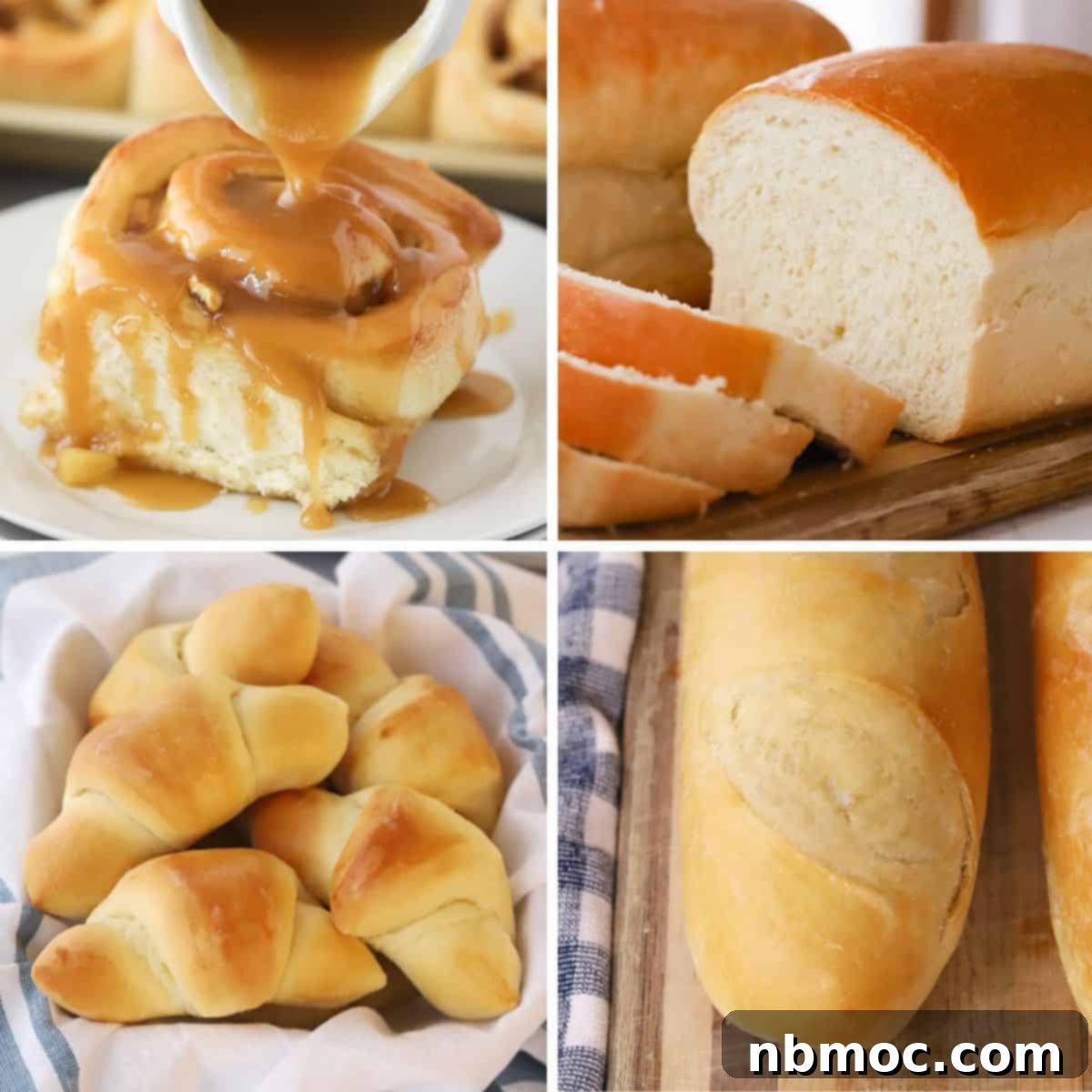
Welcome to the heartwarming world of baking, where simple ingredients transform into something truly magical: homemade yeast bread. This isn’t just about following a recipe; it’s an immersive journey, from the tactile joy of kneading the dough to the satisfying sight of it rising, and finally, the unparalleled pleasure of savoring a warm, fragrant slice. Join us as we unlock the secrets to creating delicious, wholesome loaves that will not only tantalize your taste buds but also fill your home with an irresistible aroma and nourish your soul.
With a foundation of just four basic ingredients – flour, water, yeast, and salt – you possess the power to master this timeless culinary art. Through this guide, you’ll discover how to perfect each step, transforming raw components into comforting masterpieces and making the delightful scent of fresh bread a staple in your kitchen.
The Enduring Charm of Homemade Yeast Bread
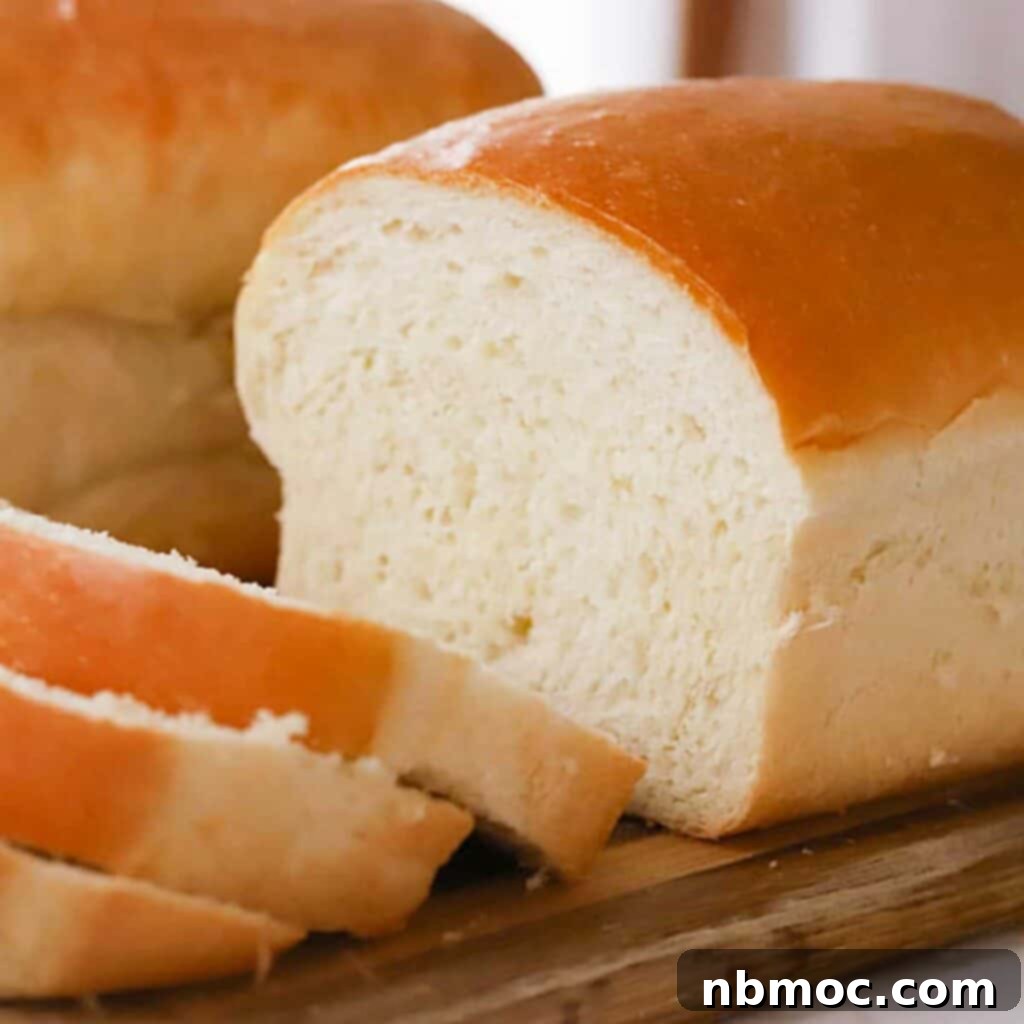
Baking bread is more than just a kitchen task; it’s an act of profound love and a cherished tradition that has woven through generations in countless families, including mine. The distinctive aroma of freshly baked yeast bread instantly evokes a powerful sense of nostalgia, bringing forth a flood of tender memories. This culinary endeavor transcends mere obligation, evolving into a truly enjoyable and creative experiment that engages all your senses – from the feel of the dough beneath your hands to the sight of a golden crust and the comforting warmth it brings to your home.
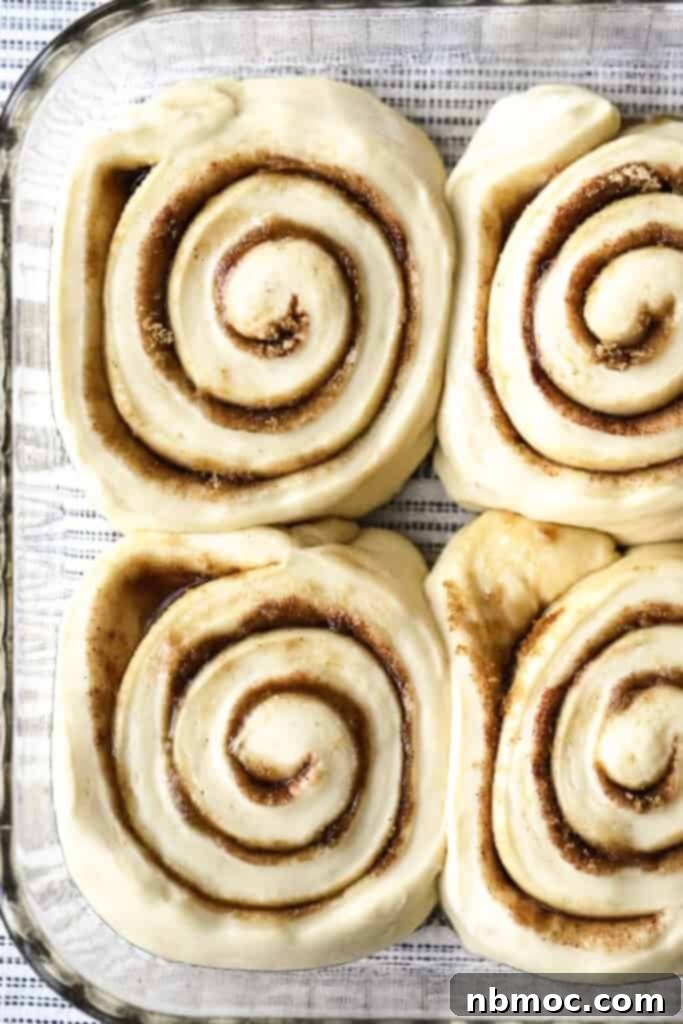
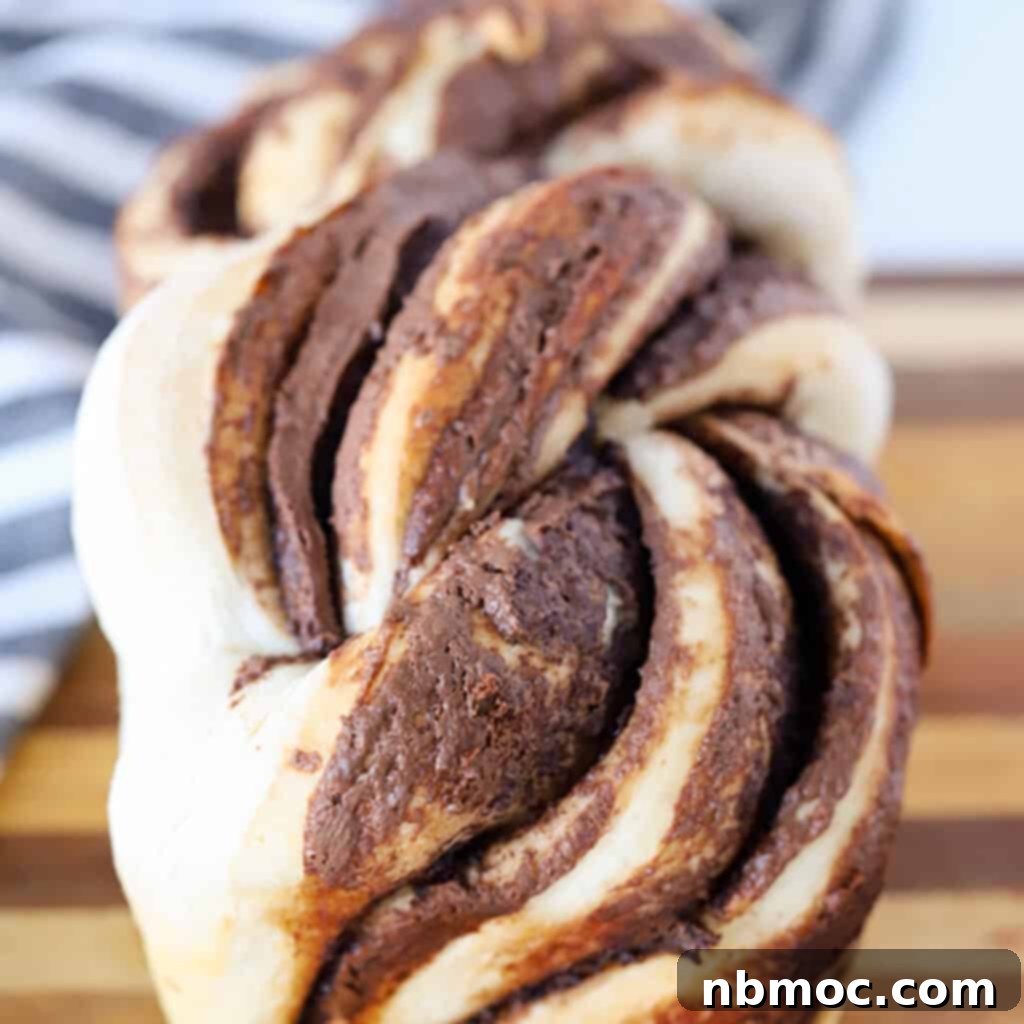
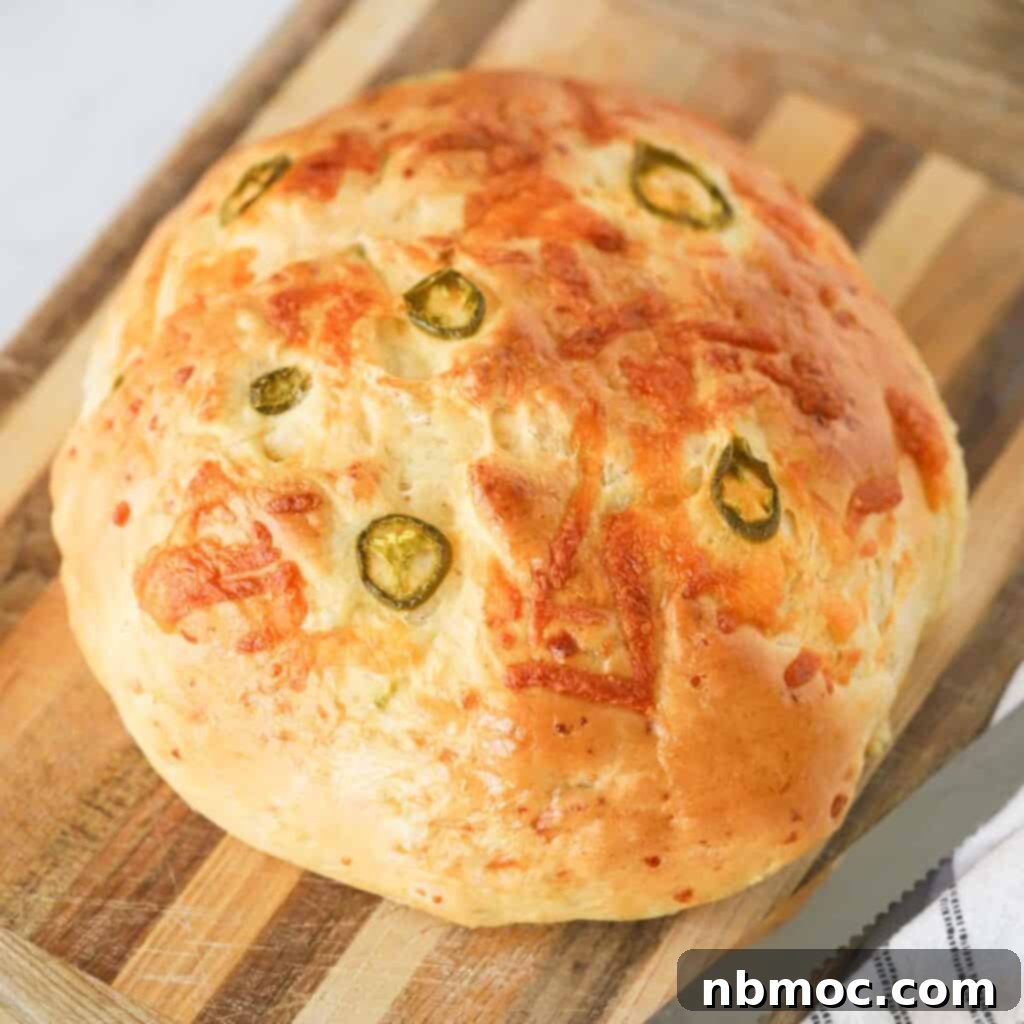
The versatility of yeast bread is astounding, opening up a world of possibilities for every baker. Whether your ambition is to bake the quintessential loaf of fluffy white bread, to craft nutritious whole wheat bread for a healthier dietary choice, to indulge in the sweet decadence of irresistible cinnamon rolls, or to master the rustic charm of savory cheese bread, there is an endless array of recipes to ignite your baking creativity. Exploring new flavors, ingredients, and techniques is an essential part of your journey toward consistently baking the perfect loaf of homemade bread. The immense satisfaction of sharing a warm, fresh loaf with your family and neighbors is a deeply rewarding experience. Follow along as we guide you through every essential detail to transform you into a confident and successful home baker.
Understanding the Magic: Different Types of Yeast for Baking
Yeast is truly a miraculous and essential ingredient in the realm of baking. It is the fundamental secret behind the irresistible aroma, delightful chewy texture, and complex flavor profile of nearly every freshly baked bread. This tiny, single-celled organism consumes sugars and produces carbon dioxide gas and alcohol through a process called fermentation, which is what causes dough to rise and develop its characteristic structure.
However, when a recipe specifies “instant yeast” or “active dry yeast,” understanding the distinctions is crucial for successful baking. Fear not, as we’ve got you covered. Below, we delve into the three most common types of yeast used in baking, explaining their unique properties and best applications:
Active Dry Yeast: The Traditional Choice
Active dry yeast is perhaps the most widely recognized and frequently used type of yeast among home bakers. Before it can perform its leavening magic, it requires activation, a process commonly known as “proofing.” This involves dissolving the granular yeast in a small amount of warm water, typically around 105-115°F (40-46°C), often with a pinch of sugar. This process “wakes up” the dormant yeast cells, allowing them to hydrate and begin their metabolic activity. Once foamy and bubbly, usually within 5-10 minutes, the yeast is ready to be incorporated into your dough. Active dry yeast typically boasts a longer shelf life compared to fresh yeast and is an excellent choice for a broad range of traditional bread recipes where a slightly longer rise time is acceptable and even desirable for flavor development.
Instant Yeast: The Time Saver
In contrast to active dry yeast, instant yeast offers unparalleled convenience and speed. Its finer granulation means it can be added directly to your dry ingredients without the prerequisite step of dissolving it in water. This quick-acting yeast is engineered to work faster, significantly shortening the overall rising time of the dough. Instant yeast is an ideal choice for busy bakers or anyone looking to accelerate the bread-making process without compromising on the quality, texture, or flavor of their finished loaf. It’s particularly useful for recipes that call for a single, rapid rise.
Fresh Yeast: The Professional’s Preference
Also known as cake yeast or compressed yeast, fresh yeast is a moist, block-like form of yeast that requires refrigeration due to its highly perishable nature. While it has a shorter shelf life than its dry counterparts, fresh yeast is revered by professional bakers for its consistent reliability and its ability to impart a superior rise and a distinct, nuanced flavor to bread. Its soft, crumbly texture allows it to be easily mixed into doughs, and many experienced bakers believe it yields the most authentic and robust bread characteristics. When using fresh yeast, remember that a larger quantity is typically needed compared to dry yeast, and it should be dissolved in lukewarm liquid before being added to other ingredients.
Essential Ingredients for Perfect Yeast Bread
To bake an truly exceptional yeast bread, a meticulous understanding and selection of your key ingredients are paramount. Each component plays a vital role in the final flavor, texture, and structure of your delicious loaf. Let’s delve into the core ingredients:
Flour: The Foundation of Bread
The type of flour you choose is perhaps the most critical decision when baking yeast bread, as it directly influences the gluten development in the dough, which, in turn, dictates the bread’s texture and its ability to rise. Experimenting with different flours can be a delightful culinary adventure, allowing you to discover variations that best suit your palate.
- Bread flour stands out as the optimal choice for most yeast breads. Its higher protein content (typically 12-14%) is crucial for forming strong gluten strands. These robust gluten networks provide the necessary structure, elasticity, and chewiness that are hallmarks of a well-made yeast bread, allowing it to trap the gases produced by yeast and achieve an impressive rise.
- While all-purpose flour (with a protein content of 10-12%) can certainly be used, it will yield a slightly lighter and softer textured bread, often with less chew. For beginners, it’s a good starting point, but for a more professional result, bread flour is preferred.
- Whole wheat flour introduces a hearty, nutty flavor and increased nutritional value, but its bran particles can interfere with gluten development, often requiring a blend with bread flour or specific adjustments to hydration.
- Other specialized flours like rye flour or spelt flour offer distinct flavors and textures, often requiring specific recipes tailored to their unique properties.
Water: The Catalyst for Yeast
Water is far more than just a liquid in bread making; it is the essential catalyst that activates your yeast and hydrates the flour, enabling gluten development. Its temperature is critically important:
- Water that is too hot (above 120°F/49°C) will inevitably kill the delicate yeast cells, rendering them inactive and preventing any rise.
- Conversely, water that is too cold (below 95°F/35°C) will cause the yeast to activate sluggishly or not at all, resulting in a dense, under-risen loaf.
- The optimal temperature range for yeast activation is typically between 105-115°F (40-46°C). This range ensures the yeast ferments efficiently, producing the carbon dioxide gas that inflates the dough.
Beyond temperature, water also significantly influences the consistency of your dough, impacting how easily it can be kneaded and shaped. The right hydration level is key to achieving a balanced, manageable dough. Additionally, consider the quality of your water; heavily chlorinated tap water can sometimes inhibit yeast activity, so using filtered water can occasionally make a difference.
Salt: Enhancer of Flavor and Regulator of Yeast
Salt is indispensable in bread baking. It doesn’t just provide essential flavor, transforming a bland dough into a delicious one, but it also plays a crucial role in controlling yeast activity. Salt slows down fermentation, preventing the dough from rising too quickly and allowing for better flavor development. It also strengthens the gluten structure, contributing to a more elastic dough and a finer crumb. Without salt, bread often tastes flat and can over-rise, then collapse.
Sugar or Sweetener: Fuel and Browning Agent
While not all bread recipes call for sugar, a small amount serves multiple purposes. It acts as immediate “food” for the yeast, giving it an initial boost for fermentation. Additionally, sugar contributes to the browning of the crust during baking, creating that appealing golden hue, and adds a subtle sweetness that balances the flavors. Whether you use granulated sugar, honey, maple syrup, or molasses, each will impart a slightly different flavor profile and browning characteristic.
Fat (Oil or Butter): For Tenderness and Shelf Life
Fats, such as olive oil, vegetable oil, or butter, enrich the dough, making the bread more tender and soft. They coat the gluten strands, which can result in a more delicate crumb. Fats also play a role in extending the shelf life of homemade bread by keeping it moist for longer. The choice of fat can influence the flavor; butter adds richness, while olive oil might lend a subtle savory note.
The Step-by-Step Bread-Making Process
Baking yeast bread is a methodical and rewarding process. Each step builds upon the last, contributing to the final texture, flavor, and appearance of your loaf. Let’s break down the journey from raw ingredients to a perfectly baked bread.
1. Proofing the Yeast: Ensuring Viability
Proofing yeast is the crucial first step to ensure your yeast is alive, active, and ready to perform its leavening duties. This process confirms the viability of your yeast and kick-starts its activity before it’s incorporated into the main dough.
To proof your yeast, you will typically combine it with warm water and a touch of sugar (which serves as food for the yeast) in a small bowl. The ideal temperature for proofing yeast is around 100-110°F (38-43°C) – it should feel warm to the touch, similar to a baby bottle or slightly warmer than your wrist. Water that is too hot (above 120°F/49°C) can kill the yeast, while water that is too cold will inhibit its activation.
You’ll know your yeast is active and ready when a frothy, bubbly layer forms on the surface of the water, and you notice a distinct, yeasty aroma. This effervescence is visual proof that the yeast is actively consuming the sugar and releasing carbon dioxide gas, which will later get trapped in the gluten network of your dough, causing it to rise. If, after 5-10 minutes, your yeast mixture shows no signs of activity, it’s best to discard it and start again with fresh yeast.
2. Mixing the Bread Dough: Bringing Ingredients Together
Once your yeast has been successfully proofed and is visibly active, it’s time to bring all the ingredients together to form your dough. Begin by adding any oil or melted butter to your yeast mixture. If using melted butter, ensure it has cooled to around 100-110°F (38-43°C); butter that is too hot can deactivate the yeast, and butter that is too cold will slow down the entire process. Again, think skin temperature to avoid any issues.
In a large mixing bowl, combine about half of your total flour, your salt, and any remaining sugar, honey, or maple syrup you’re using as a sweetener. Pour in the proofed yeast mixture with the fat. Combine these ingredients thoroughly until they are well integrated and you have a very sticky, shaggy dough. This initial mix allows the flour to hydrate. Now, gradually incorporate additional flour, adding it in half-cup to one-cup increments, mixing until the dough comes together. Continue adding flour until you achieve a soft, pliable bread dough that is just slightly tacky to the touch, but no longer excessively sticky.
If you’re making this in a stand mixer, use the dough hook attachment. Add flour slowly until the dough begins to pull away cleanly from the sides of the mixing bowl and gathers around the dough hook. This indicates sufficient hydration and the beginning of gluten development.
3. Kneading the Dough: Developing Structure
Mastering proper kneading techniques is the cornerstone of achieving that coveted, perfect loaf of bread. When you knead the dough, you are actively developing the gluten, which is the protein network responsible for giving bread its essential structure, elasticity, and chewy texture. This elastic gluten network is what traps the carbon dioxide gas produced by the yeast, allowing the dough to rise significantly and creating that desirable light and airy crumb structure.
- If you’re using a stand mixer to knead your dough: Ensure your mixer is fitted with a dough hook attachment. Knead the dough on the lowest setting. A stand mixer is highly efficient and can cut the kneading time significantly compared to hand kneading, usually achieving optimal gluten development in about 5-7 minutes. Watch for the dough to become smooth, elastic, and pull away cleanly from the sides of the bowl.
- If you’re kneading the dough by hand: This is where you can truly connect with the dough and even get a therapeutic arm workout! Hand kneading is a rhythmic process of pushing, pulling, and folding the dough. Use the heel of your hand to push the dough forward, stretching it. Then, fold the dough in half, give it a quarter turn, and repeat the process. Continue kneading until the dough transforms from a rough, sticky mass into a smooth, elastic, and resilient ball that stretches without tearing easily. This manual process typically takes around 10-15 minutes to fully develop the gluten. A great test is the “windowpane test”: stretch a small piece of dough thinly; if you can see light through it without it tearing, your gluten is sufficiently developed.
4. First Rise (Bulk Fermentation): Flavor Development
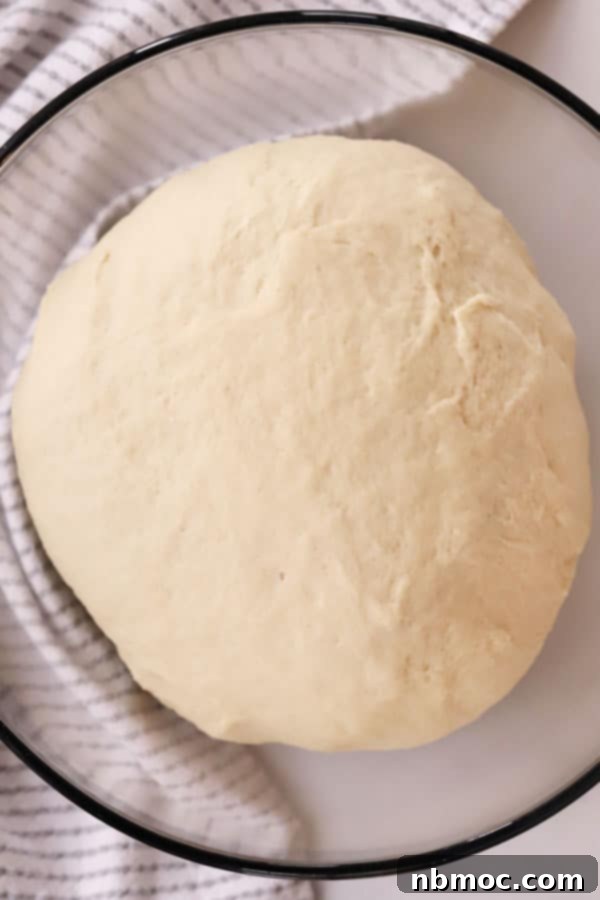
After kneading, the dough enters its crucial first resting period, known as bulk fermentation or the first rise. This stage is paramount for allowing the yeast to actively ferment, producing gases and alcohol that contribute significantly to the bread’s flavor profile and light texture. During this time, the gluten network also relaxes, becoming more extensible and capable of holding more gas, leading to a better rise.
Place your kneaded dough in a lightly oiled bowl, turning it once to coat. Cover the bowl with plastic wrap or a clean kitchen towel to prevent it from drying out. Ensure the dough rises in a warm, draft-free environment until it approximately doubles in size. The duration of this rise can vary based on your kitchen temperature and the type of yeast used, but it typically takes 1-2 hours.
You can influence the rise time: to speed it up, gently warm your oven to around 120°F (49°C), then turn it OFF. Place your covered bowl of dough inside the warm, turned-off oven. This creates an ideal environment for a quicker rise, often reducing the time by half. Alternatively, placing the dough in a sunny, warm spot can also accelerate the process. Be careful not to overheat the dough, as excessive heat can over-ferment it or even kill the yeast.
Conversely, you can intentionally slow down the rising process by placing the covered dough in the refrigerator overnight. This “cold fermentation” is a fantastic technique, as the slower rise allows for a more complex flavor development in the bread, often resulting in a superior taste and texture. This method is excellent for make-ahead recipes like cinnamon rolls; prepare and roll them out, then refrigerate overnight. In the morning, simply take them out, let them warm up slightly on the counter while your oven preheats, and then bake for a fresh, warm treat.
5. Punch Down, Shape, and Second Rise (Proofing)
Once your dough has successfully completed its first rise and has doubled in size, the next steps are to gently punch it down, shape it, and allow it to rise again. Punching down the dough releases the accumulated carbon dioxide gas, redistributes the yeast and nutrients, and evens out the dough’s temperature. This action helps to create a finer, more uniform crumb structure in the final bread.
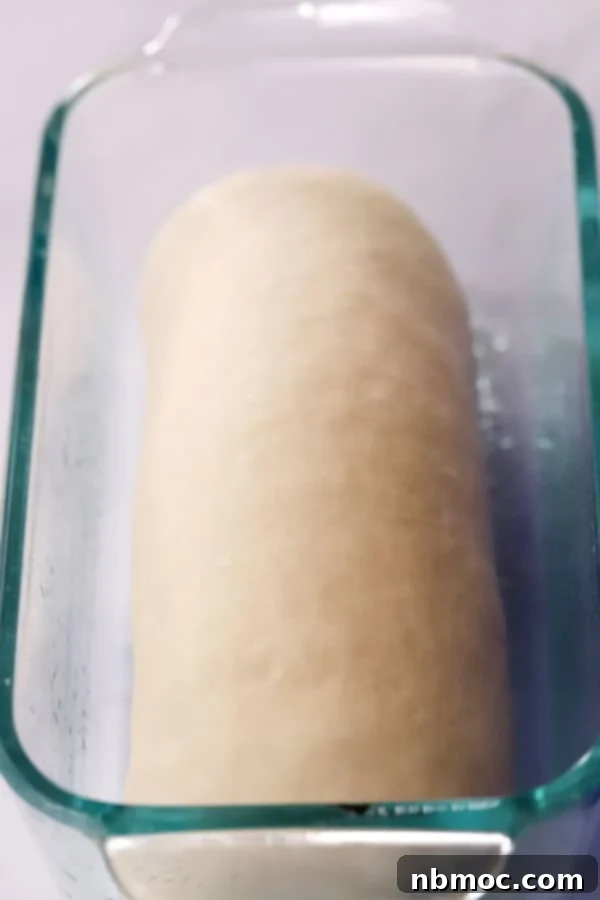
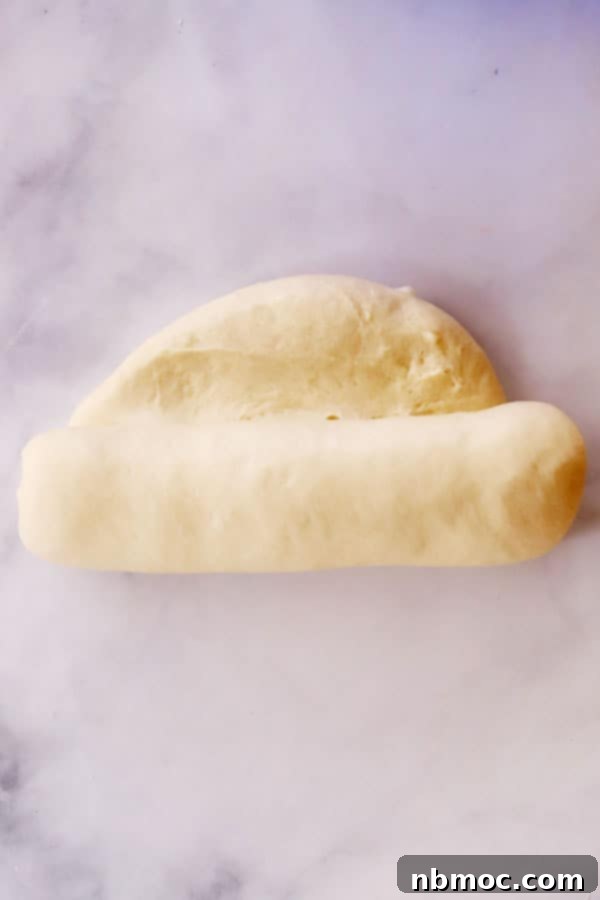
After punching down the dough, turn it out onto a lightly floured surface. Now is the time to shape your bread according to your desired outcome. If you’re making standard sandwich loaves, divide the dough equally into two portions. Gently shape each portion into a smooth, tight loaf and place them into two greased 9 by 5-inch loaf pans. The way you shape the dough significantly impacts the final appearance and texture of the bread, creating tension on the surface that helps it hold its shape during the second rise and baking.
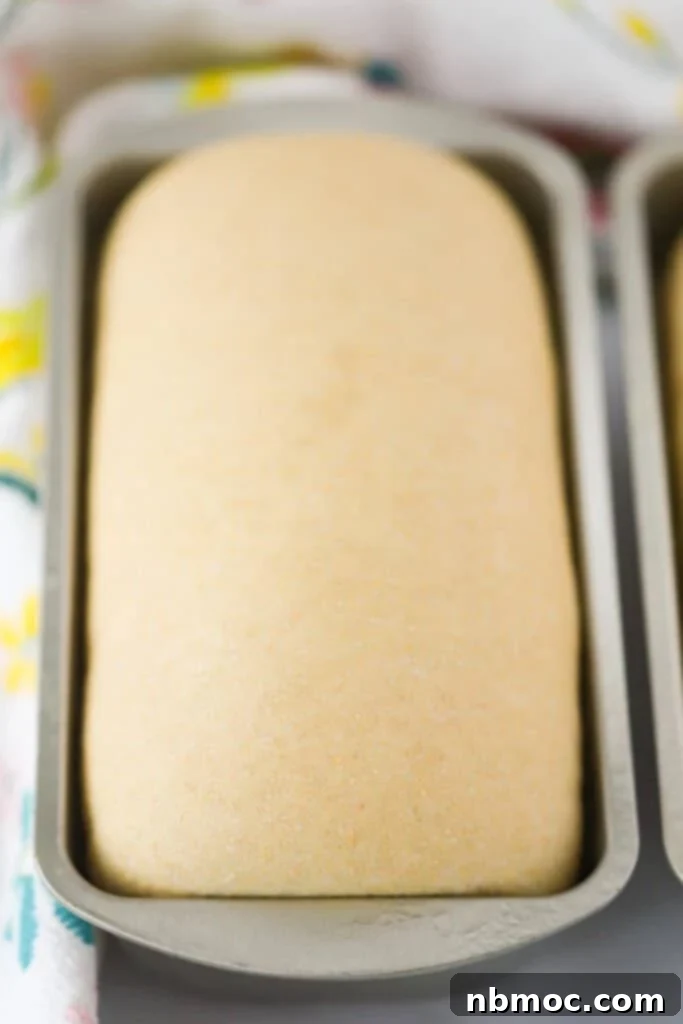
Cover the shaped loaves again, typically with a clean tea towel or lightly oiled plastic wrap, and allow them to proof for a second time. This secondary rise, often called “proofing,” allows the dough to gain its final volume and lightness before baking. It should take about 60-90 minutes for the dough to double in size within the pans. If your dough was rising in a warm environment, this second proofing might proceed a bit faster. The dough is ready when it looks significantly puffy and springs back slowly when gently poked with a finger, rather than springing back immediately (which indicates overproofing) or staying indented (which indicates underproofing).
6. Crafting the Perfect Golden Crust
The crust of your homemade bread is often the first impression, and achieving the desired golden hue and texture requires a few simple techniques before baking. The method you choose will depend on the type of crust you envision:
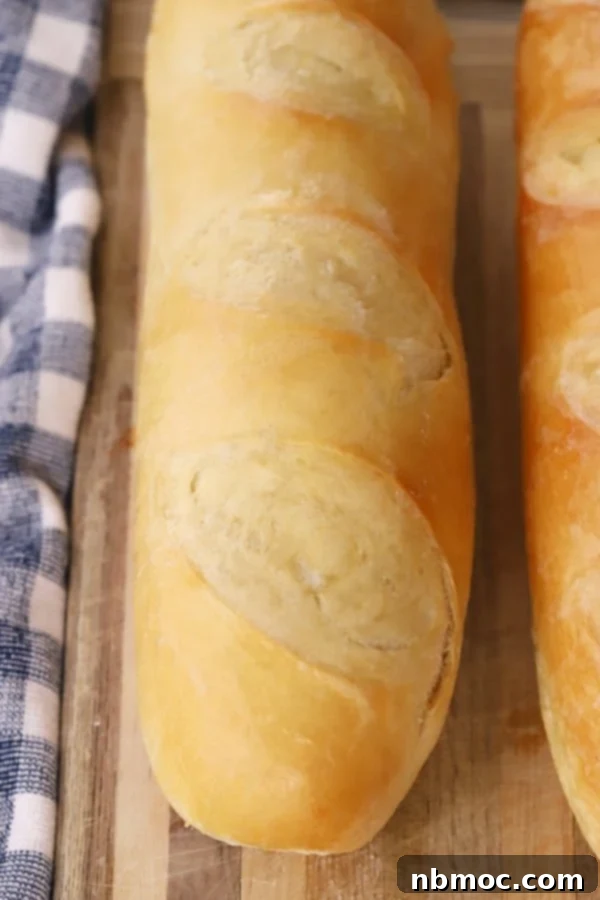
- For a Golden, Thicker Crust: Prior to placing your bread in the oven, you can brush the surface of the dough with milk (dairy or non-dairy) using a pastry brush. The milk sugars will caramelize during baking, resulting in a beautiful golden-brown crust. For an even richer, deeper golden color and a slightly more substantial crust, an egg wash (one egg beaten with a tablespoon of water) is highly effective. This is particularly popular for French bread or classic white bread recipes, and even whole wheat bread can benefit from this treatment.
- For an Extra Thick and Crispy Crust (e.g., Rustic or French Bread): To promote a truly robust and crackly crust, moisture in the oven at the beginning of baking is key. You can achieve this by lightly misting your dough a couple of times with a spray bottle filled with water just before baking. If you don’t have a spray bottle, a clever trick is to add a few ice cubes to the bottom of the oven (not directly on the heating element) when you place the bread inside. The melting ice will create steam, which helps to keep the crust soft for longer during the initial baking phase, allowing the bread to expand maximally before the crust sets hard.
- For a Golden and Soft Crust: To combine a golden exterior with a tender, moist, and chewy crust, follow these steps. First, apply a milk or egg wash before baking to achieve that lovely golden color. Then, immediately after the bread comes out of the oven, brush the top of the hot loaf generously with melted butter or lightly mist it with water from a spray bottle. This post-bake treatment helps to soften the crust, making it wonderfully pliable and enjoyable to chew.
7. Baking: The Grand Finale
With the dough having completed its second rise, it’s now time for the grand finale: baking. Carefully place your bread pans into a preheated oven. Baking times can vary based on your oven and the specific recipe, but a typical loaf of bread will bake for approximately 30-45 minutes. The most reliable way to determine if your bread is fully cooked is to check its internal temperature using a digital thermometer. Insert the thermometer into the center of the loaf; it should read between 190-210°F (88-99°C) for most yeast breads.
Once baked to perfection, remove the pans from the oven. Allow the bread to cool in the pans on wire racks for about 10-15 minutes. This initial cooling period helps the crust set without becoming soggy and makes it easier to remove the loaves. Once the pans are cool enough to handle comfortably, carefully remove the bread from the loaf pans and continue cooling them on a wire rack until completely cool. While the temptation to slice into a warm loaf is undeniable (and often irresistible when slathered with soft butter, homemade jam, or honey butter), allowing the bread to cool completely allows its internal structure to set and moisture to redistribute, resulting in the best possible texture and flavor.
Advanced Baking Tips for Success
Beyond the basic steps, a few expert tips can elevate your bread-making from good to extraordinary, ensuring consistently delicious results every time.
Refining Your Crust: Texture and Appearance
The crust is a vital component of any bread, contributing significantly to its overall appeal and enjoyment. Immediately after baking, you have a crucial window to influence its final texture:
- For a Buttery, Soft Crust: As soon as the bread comes out of the oven, generously brush the top of the hot loaf with melted butter. This infuses the crust with richness and keeps it wonderfully tender.
- For a Soft and Chewy Crust: If you prefer a soft yet slightly chewy crust without the added butter, lightly mist the top of the bread a few times with water from a spray bottle immediately after baking. Be gentle and avoid over-spraying; there shouldn’t be any water beads running down the crust. This subtle rehydration helps create a supple, yielding crust.
- For a Stiff, Rustic Crust: If a robust, crisp, and substantial crust is your goal, simply leave the bread untouched after it exits the oven. The natural cooling process will allow the crust to harden and develop its desired crispness.
To achieve truly bakery-worthy results, pay close attention to the baking phase itself:
- Preheat your oven adequately: Always ensure your oven is fully preheated to the specified temperature before introducing your dough. This guarantees even baking and maximizes “oven spring” – the initial rapid rise of the dough in the hot oven.
- Scoring the Dough: Before baking, make shallow cuts (known as scoring or slashing) on the surface of your proofed dough with a very sharp knife or a bread lame. This controls where the bread expands during oven spring, preventing uncontrolled tearing and creating an appealing, rustic appearance. Different patterns can also add decorative flair.
- Introducing Steam: For a crisp, glossy, and beautifully browned crust, especially on artisan loaves, introducing steam into the oven during the first 10-15 minutes of baking is essential. This can be done by using a spray bottle, adding a tray of hot water to the bottom rack, or using a preheated Dutch oven or baking stone. Steam prevents the crust from hardening too quickly, allowing the bread to expand fully and develop a thin, crisp exterior.
Mastering Oven Temperature for Consistent Results
An accurate oven temperature is paramount for successful bread baking. Ovens can be notoriously temperamental, often running hotter or cooler than their display indicates. It’s highly recommended to use an independent oven thermometer, placed on the middle rack, to verify your oven’s true temperature.
For most standard sandwich breads and everyday loaves, a baking temperature between 350°F and 375°F (175°C and 190°C) is ideal. This range allows for thorough baking while achieving a beautiful golden crust and a well-developed interior crumb. Consistency is key; if your oven fluctuates, it can impact both the crust’s development and the dough’s internal cooking.
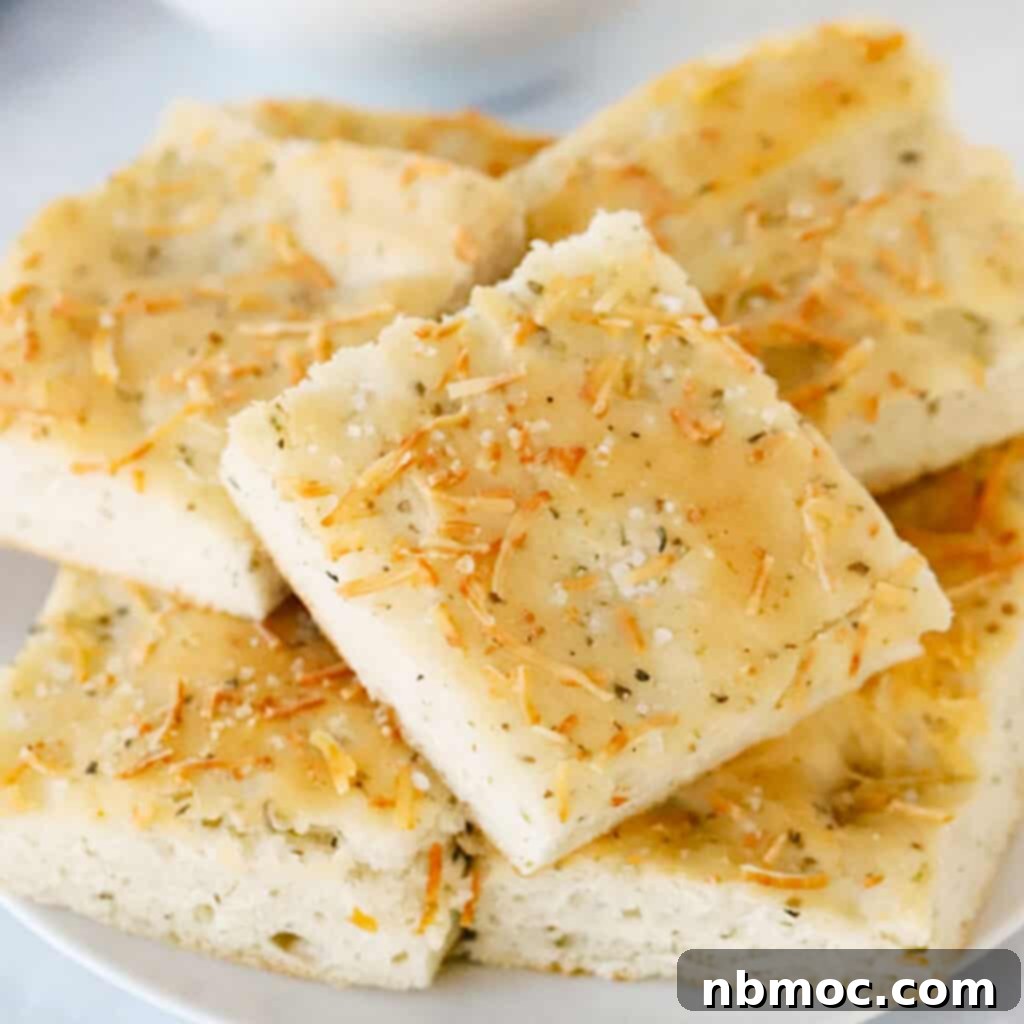
For items requiring a crispier, more robust crust, such as calzones, pizzas, or some rustic European-style breads, a higher baking temperature of 400-450°F (200-232°C) is often preferred. This higher heat rapidly sets the crust, creating a wonderfully chewy and golden exterior, perfect for homemade pizza or focaccia.
Troubleshooting Common Bread Problems
Even experienced bakers encounter challenges, and learning to troubleshoot common issues is a vital part of mastering yeast bread. Here are solutions to frequent problems:
Why is my bread so dry?
A dry, crumbly loaf is a common disappointment, typically indicating that the bread was over-baked. This could mean it spent too long in the oven, or the oven temperature was set too high, evaporating too much moisture. To avoid this, watch your bread carefully during the last few minutes of baking for these crucial clues to doneness:
- The “Hollow Sound” Test: Gently tap the bottom of the loaf. If it sounds hollow, it’s generally a good indicator that the bread is baked through.
- Internal Temperature: This is the most reliable method. Insert a digital thermometer into the center of the loaf. For most yeast breads, an internal temperature reading of 190°F to 210°F (88°C to 99°C) indicates that it is fully baked.
- Crust Color: The edges and top of your bread should be a deep golden brown. You can gently lift the loaf from the pan to check the color of the bottom crust as well.
To prevent future issues, it’s highly beneficial to calibrate your oven’s temperature if you suspect it’s inaccurate. Your oven’s instruction manual might provide guidance, or you can purchase an inexpensive oven thermometer to sit on your bottom rack, giving you a continuous, accurate reading of your oven’s actual temperature.
My bread is raw in the middle!
If your bread is raw or gummy in the center, it almost certainly means it didn’t bake long enough, or your oven temperature was significantly off (either too high, causing the crust to brown before the inside cooked, or too low, prolonging baking time without sufficient heat penetration). The most effective way to prevent this is by always checking the internal temperature with a digital thermometer as described above. Ensure your oven is truly at the temperature you set it to; an accurate oven thermometer can confirm this.
How Do You Know If Bread Is Kneaded Enough?
Proper kneading is fundamental for good bread structure. Here’s how to tell if your dough has been kneaded sufficiently:
- Visual and Tactile Cues: The dough should transform from a shaggy, sticky mass into a smooth, elastic, and uniform ball. It should feel slightly tacky to the touch but should not stick excessively to your hands or the mixing bowl.
- The “Windowpane Test”: This is the most definitive test. Pinch off a small piece of dough (about a golf ball size) and gently stretch it with your fingers. If you can stretch it thin enough to see light through it without it tearing, your dough has been adequately kneaded and its gluten fully developed.
- The Poke Test (for elasticity): Gently poke the surface of the dough with a floured finger. If the indentation springs back quickly and completely, the gluten is well-developed and elastic. If it remains a dimple, continue kneading.
Under-kneaded dough will not rise properly because its gluten network is too weak and lacks the necessary elasticity to trap gas. This results in a dense, heavy, dry, and crumbly loaf.
Over-kneaded dough, while less common for home bakers, can also lead to issues. If the dough becomes very tight, inelastic, and resistant to stretching (losing its springy texture), it may be over-kneaded. In extreme cases, the gluten can break down, leading to a dense and tough loaf that fails to rise adequately.
What happens if my dough has risen too much?
When your dough has risen beyond its optimal point, it’s referred to as “overproofed.” You can typically identify overproofed dough if, when gently poked, it instantly springs back into place and feels overly gassy and airy. The gluten network, which normally holds the gas, has stretched too far and become weakened. If you bake overproofed bread, it often leads to a loaf that collapses in the oven, has a coarse, irregular crumb, a pale crust, or even develops cracks.
The good news is that overproofed dough can often be salvaged! The best approach is to gently punch it down to release the excess gas, lightly re-knead it for a minute or two to strengthen the gluten, reshape your dough, and then allow it to proof again. A second proofing, carefully monitored, can still result in a perfectly good loaf of bread. However, this re-working might be more challenging for intricately shaped items like cinnamon rolls or braided breads, where maintaining their form is crucial.
Essential Bread Baking Supplies for Your Kitchen
While the beauty of bread making lies in its simplicity, having the right tools can significantly enhance your experience and the quality of your loaves. Here are some highly recommended supplies for any aspiring or seasoned bread baker:
- One of the most valuable instruments for frequent bread makers is a stand mixer with a dough hook attachment. It dramatically reduces the effort and time required for kneading, though the therapeutic act of hand kneading remains a cherished option.
- A high-quality serrated knife is an absolute must for cleanly slicing through crusty loaves without crushing their tender interior.
- A bench scraper is incredibly versatile, making it much easier to handle sticky dough, divide portions evenly, and keep your workspace tidy.
- Reliable bread pans (typically 9×5 inch loaf pans) are essential for baking traditional sandwich loaves and ensuring even cooking.
- A digital thermometer is indispensable for checking the internal temperature of your baked bread, guaranteeing it’s fully cooked and preventing dry or raw centers.
- A precise kitchen scale is highly recommended for accurately measuring flour and other ingredients by weight, which is often more consistent than volume measurements for baking.
- Large mixing bowls provide ample space for mixing dough and allowing it to rise without overflowing.
- A pastry brush is useful for applying egg washes, milk washes, or melted butter to your bread’s crust.
- Wire cooling racks are crucial for allowing air to circulate around your freshly baked loaves, preventing a soggy bottom crust and ensuring even cooling.
- For artisan breads, a proofing basket (banneton) helps maintain the dough’s shape during its final rise and imparts a beautiful, rustic flour pattern to the crust.
Storing Homemade Bread for Maximum Freshness
After investing your time and effort into baking a delicious loaf of bread, knowing how to store it properly is crucial for preserving its freshness, texture, and flavor. Homemade bread, devoid of commercial preservatives, benefits from thoughtful storage:
- Room Temperature (Short-Term): For optimal freshness over a few days, store your bread in a paper bag or a dedicated bread box at room temperature. A paper bag allows air circulation, which helps keep the crust crisp, while a bread box maintains a balanced humidity to prevent drying. Avoid plastic bags at room temperature for crusty breads, as they can trap moisture and make the crust soggy, although a tightly sealed plastic bag can work for softer sandwich breads to prevent drying.
- Refrigerator (Medium-Term): If you need to extend the shelf life of your bread beyond a few days, storing it in the refrigerator can help slow down mold growth. However, refrigeration tends to accelerate the staling process (where starches recrystallize and the bread becomes firm), so while it may last up to 5 days without mold, its texture might become drier. If refrigerating, ensure it’s in an airtight container or a resealable plastic bag to minimize moisture loss.
- Freezing (Long-Term): For the longest preservation of freshness and texture, freezing is an excellent option. For best results, allow the bread to cool completely, then slice it before placing it in a heavy-duty, resealable freezer bag. This makes it incredibly convenient to thaw just a couple of slices at a time for toast or sandwiches, without needing to defrost the entire loaf. Frozen bread can maintain its quality for up to 2-3 months. To thaw, simply take out the desired slices and let them come to room temperature, or toast them directly from frozen.
Explore Our Collection of Delightful Yeast Bread Recipes
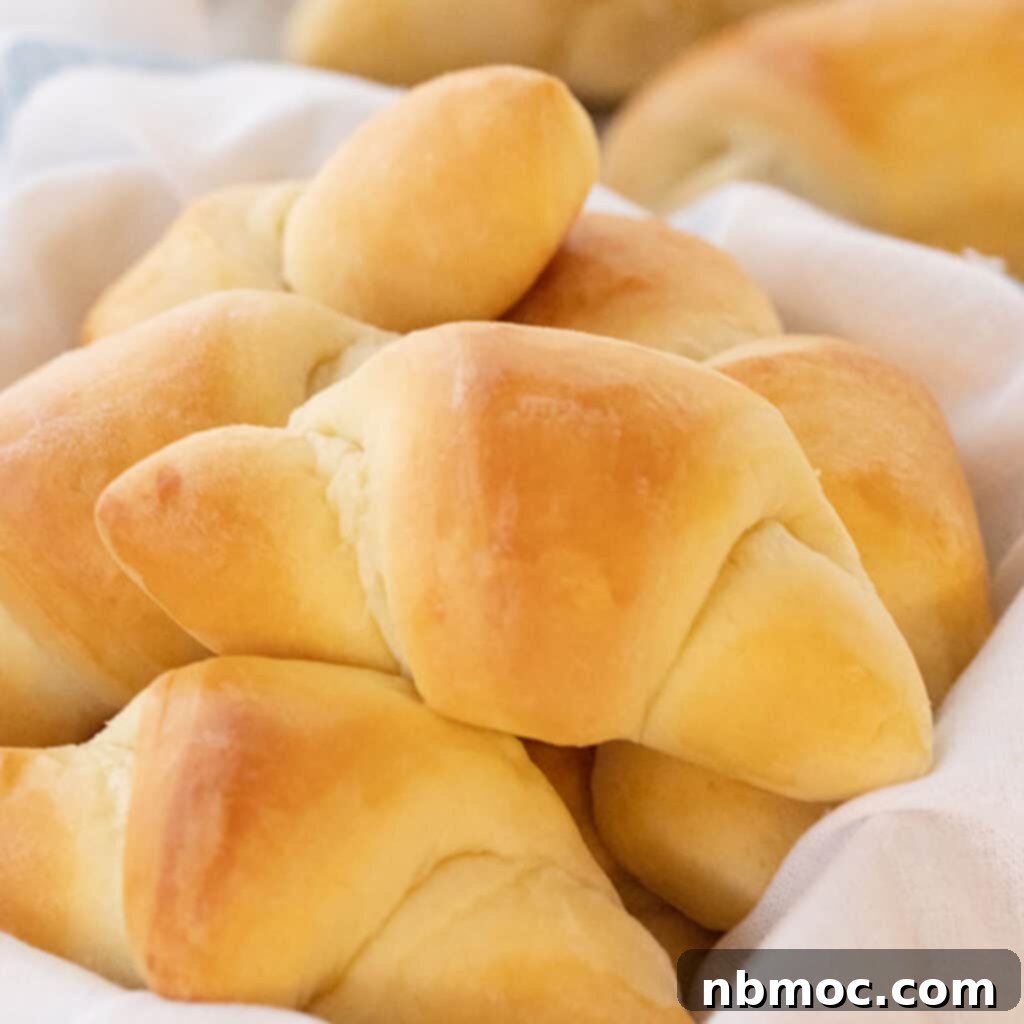
Now that you’re equipped with the knowledge and confidence to master yeast bread baking, it’s time to put your skills to the test! Dive into our curated collection of delicious and inspiring yeast bread recipes. From savory to sweet, there’s a perfect loaf waiting for you to discover and create:
- Fragrant Rosemary Bread
- Classic Homemade White Bread
- Aromatic Garlic Herb Twist Bread
- Tender Potato Rolls
- Hearty Whole Wheat Bread
- Authentic Homemade French Bread
- And many more Homemade Bread Recipes to ignite your passion!