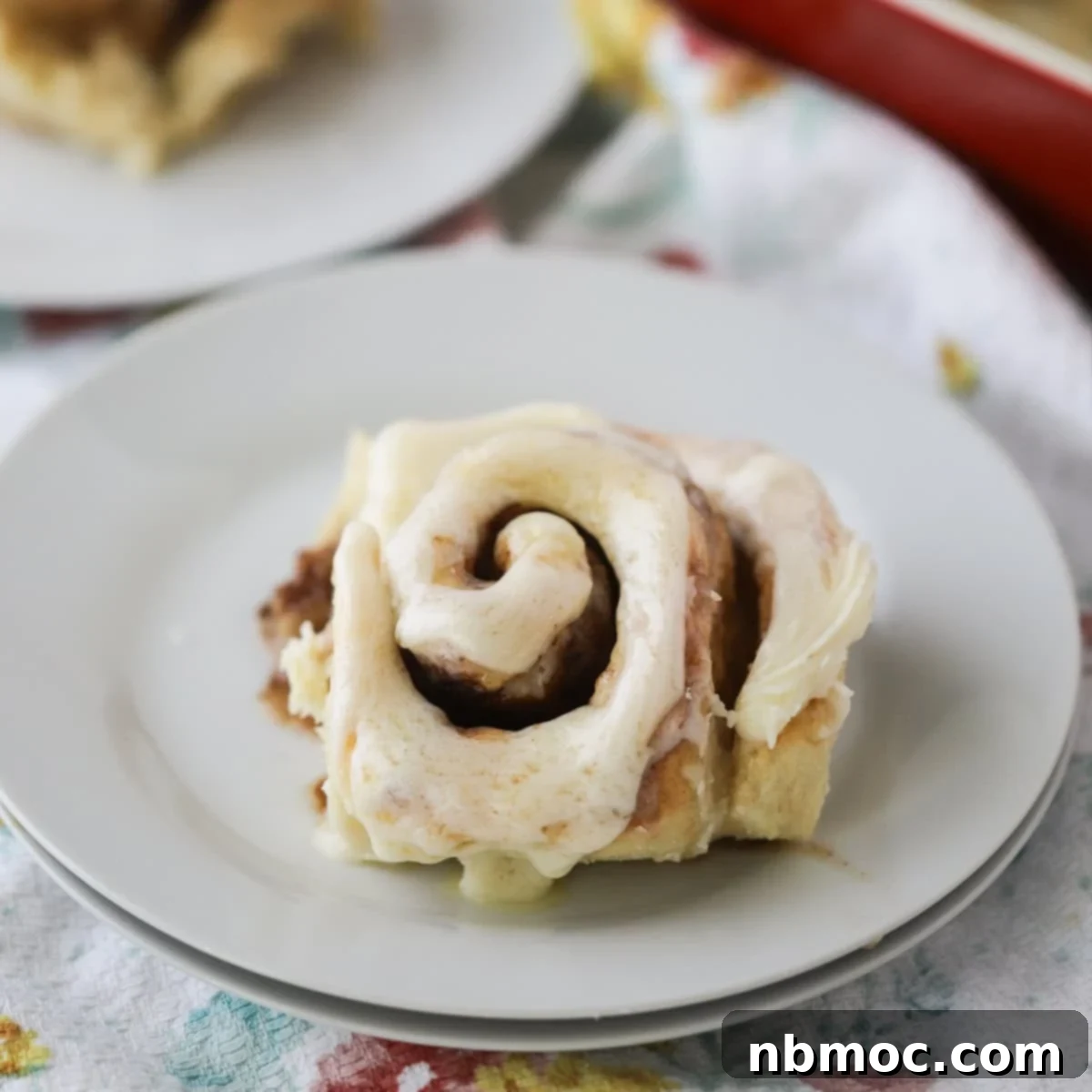
Indulge in the sublime pleasure of the **Best Homemade Cinnamon Rolls** you’ll ever taste. Our recipe delivers incredibly light, fluffy, soft, and delightfully chewy rolls, crafted from simple, wholesome ingredients. This comprehensive guide provides step-by-step instructions, ensuring baking success for everyone, from novice home bakers to seasoned pros. Plus, we include our signature recipe for a luscious, velvety cream cheese icing, perfect for lavishly slathering over your warm, freshly baked cinnamon rolls.
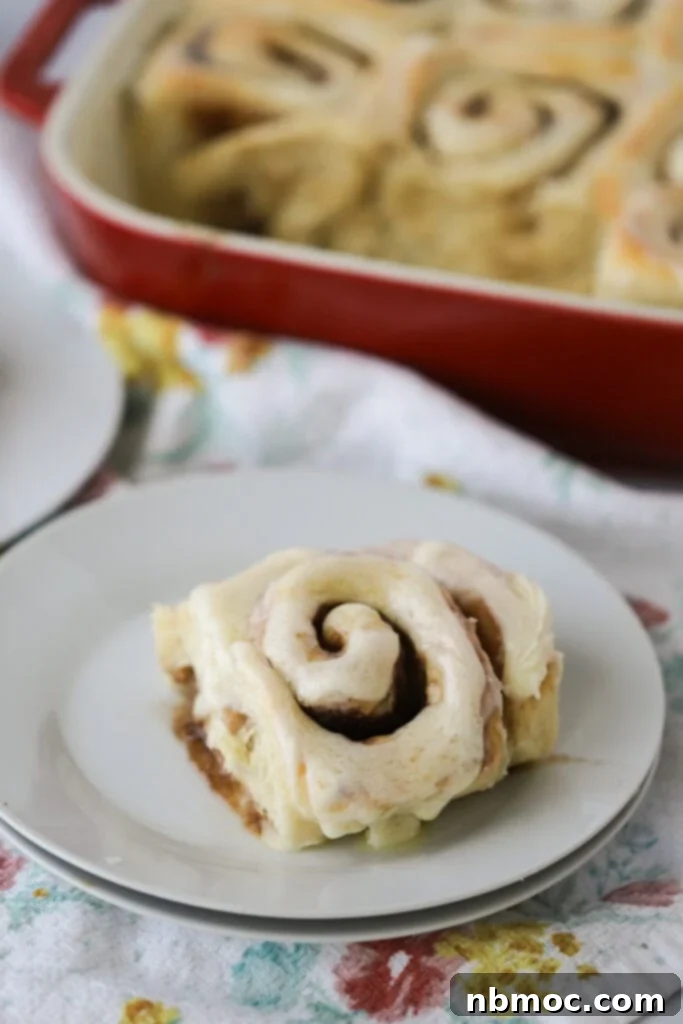
Discover the Secret to the Best Homemade Cinnamon Rolls
If you’ve ever dreamt of mastering the art of homemade cinnamon rolls from scratch, this is precisely the recipe you’ve been searching for. These truly are my absolute favorite breakfast to prepare for cherished family birthdays, elegant Easter brunches, or festive Christmas morning meals. There’s something uniquely comforting and celebratory about a tray of warm, fragrant cinnamon rolls.
Our detailed video tutorial, coupled with our clear, step-by-step written instructions, will expertly guide you through every stage of the baking process. Whether you’re taking your first tentative steps into the world of baking or you’re a seasoned kitchen veteran, you’ll find our method straightforward and rewarding. We firmly believe these cinnamon rolls reach their peak perfection when served warm, straight from the oven, and generously adorned with an abundance of our irresistible, ooey-gooey cream cheese frosting. The combination of warm dough and cool, tangy frosting is simply divine.
Should you wish to explore alternative frosting experiences, don’t hesitate to experiment! Our Cinnamon Buttercream Icing offers an intensified burst of that beloved cinnamon flavor, creating an even more aromatic treat. Alternatively, you might prefer our classic Cream Cheese Frosting, which provides the perfect balance of sweetness and tang, or a timeless Buttercream Frosting for a rich, buttery finish. Each option promises a delicious complement to these incredible rolls!
Mastering Homemade Cinnamon Rolls: A Visual Guide
Understanding and Baking with Active Dry Yeast
Yeast is the magical ingredient that transforms dense dough into light, airy, and wonderfully pillowy cinnamon rolls. In baking, yeast acts as a leavening agent. It consumes the fermentable sugars present in the dough and, through a process of fermentation, produces carbon dioxide gas. This gas becomes trapped within the dough’s elastic structure, creating tiny air pockets or bubbles that cause the dough to rise and expand significantly. A successful rise is crucial for that signature soft and fluffy texture we all love in cinnamon rolls.
Working with yeast can seem intimidating, but by remembering a few key principles, you’ll achieve perfect results every time. Here’s what I affectionately call the “Yeast Trifecta,” three essential elements for successful yeast activation and dough development:
- The Right Yeast: Our recipe specifically calls for active dry yeast. Unlike instant yeast, active dry yeast requires a crucial activation step, often called “proofing,” before it’s mixed with other ingredients. This process ensures the yeast is alive and ready to work its magic.
- Essential Sugars: Yeast needs food to thrive and produce gas. Simple sugars like granulated sugar or honey are excellent choices. They provide the necessary nourishment for the yeast to ferment efficiently, contributing to both the rise and the delicate flavor of your rolls.
- Perfectly Warm Liquid: The temperature of your liquid (milk or water) is perhaps the most critical factor. It should be approximately 110-115°F (43-46°C), which feels just warm to your wrist – like a baby’s bath. If the liquid is too cold, the yeast will activate very slowly, if at all, resulting in a sluggish rise. Conversely, if the liquid is too hot, it will unfortunately kill the yeast, rendering it inactive and preventing your cinnamon rolls from rising entirely. Precision here makes all the difference for a beautifully risen dough.
Key Ingredients for Unforgettable Cinnamon Rolls
Crafting the perfect cinnamon roll relies on a few fundamental ingredients, each playing a crucial role in the final texture and flavor. Here’s a closer look at the key components and why they are so important:
- Water or Milk: This is the liquid that activates your yeast. It needs to be lukewarm, ideally around 110-115°F (43-46°C). You can use either water or milk; milk will result in a richer, softer dough due to its fat content, while water yields a slightly chewier texture. Ensure it’s not too hot, or it will kill the yeast.
- Sugar (Granulated or Honey): Sugar serves multiple purposes. For the dough, white granulated sugar feeds the yeast, helping it activate and rise effectively. It also contributes to the dough’s tenderness and a touch of sweetness. As an alternative, the same amount of honey can be used, which imparts a subtle floral note and can help keep the rolls moist.
- Active Dry Yeast: As discussed, this is the leavening agent. It’s crucial to use active dry yeast for this recipe and to proof it properly. It’s readily available in small envelopes, jars, or larger air-sealed packages. Ensure your yeast is fresh for the best rise.
- Butter (Melted or Very Soft): Butter is essential for both the dough and the filling. In the dough, it adds richness, tenderness, and flavor. For the filling, melted or very soft butter acts as a binder, creating that luscious, gooey layer between the cinnamon-sugar mixture and the dough. Room temperature or melted butter will incorporate smoothly into both components.
- Eggs (Large, Room Temperature): Eggs contribute significantly to the dough’s structure, richness, and golden color. They add moisture, enhance the dough’s elasticity, and the fats in the yolk help keep the final rolls incredibly tender and light. Bringing them to room temperature before mixing helps them emulsify better with other ingredients; if you forget, a quick run under warm water can help.
- Flour (All-Purpose or Bread Flour): All-purpose flour is a versatile choice that yields excellent results for cinnamon rolls, providing a good balance of chewiness and tenderness. For an even chewier texture and a bit more structure, you could opt for bread flour, which has a higher protein content. Measure your flour correctly, ideally by weight, or use the “spoon and level” method to avoid overly dense rolls.
- Brown Sugar (Light or Dark): This is the heart of your cinnamon filling. Brown sugar, with its molasses content, provides deep caramel notes and a wonderfully moist texture that caramelizes beautifully during baking. Light brown sugar offers a milder flavor, while dark brown sugar delivers a more intense, robust molasses taste. Choose according to your preference for richness.
- Cinnamon (High Quality): The star spice! The quality of your cinnamon truly makes a difference. Invest in a high-quality variety that you enjoy. Ceylon cinnamon offers a milder, sweeter flavor, while Cassia cinnamon is more robust and spicy. Freshly ground cinnamon will always provide the most potent aroma and flavor.
- Cream Cheese (Room Temperature): For the iconic cream cheese frosting, room temperature cream cheese is non-negotiable. It creams smoothly with butter and powdered sugar, preventing lumps and ensuring a silky-smooth, spreadable consistency that melts perfectly over warm rolls.
Detailed Steps to Prepare Homemade Cinnamon Rolls
Creating these delightful cinnamon rolls is a journey through a few straightforward steps:
- Proof the Yeast. Begin by combining warm water, a touch of sugar, and active dry yeast in the bowl of a stand mixer. Stir gently and allow this mixture to rest for 5-10 minutes. You’ll know the yeast is active and healthy when it becomes visibly foamy and bubbly. This step is crucial for a successful rise.
- Prepare the Dough. Once your yeast is proofed, incorporate the melted butter, eggs, salt, and an initial 3 cups of all-purpose flour into the yeast mixture. Using the dough hook attachment of your stand mixer, mix on low speed for approximately 2 minutes until these ingredients are well combined. Next, add an additional 2.5 cups of flour, mixing on low until just combined. Gradually add up to 1 more cup of flour, one tablespoon at a time, until the dough cleanly pulls away from the sides of the bowl. Be careful not to add too much flour, as this can lead to dry rolls. Continue kneading on low for an additional 3 minutes to develop the gluten and achieve a smooth, elastic dough.
- First Rise. Turn off the mixer, cover the bowl loosely with a clean kitchen towel, and place it in a warm, draft-free spot. Let the dough rise for about 30 minutes, or until it has visibly doubled in size. This first rise allows the yeast to work its magic, developing flavor and texture.
- Roll Out the Dough. Lightly flour a clean work surface and gently turn the risen dough out onto it. Shape the dough into a rough rectangle with your hands, then use a rolling pin to carefully roll it into a larger rectangle, approximately 1/2 inch thick and measuring about 24 inches by 18 inches. Aim for an even thickness to ensure consistent roll sizes.
- Apply the Cinnamon Sugar Filling. With an offset spatula or the back of a knife, evenly spread the softened or melted butter across the entire surface of the rolled dough, leaving a small border free at one end if desired. Then, generously sprinkle the brown sugar and cinnamon mixture over the butter, gently patting it down to adhere.
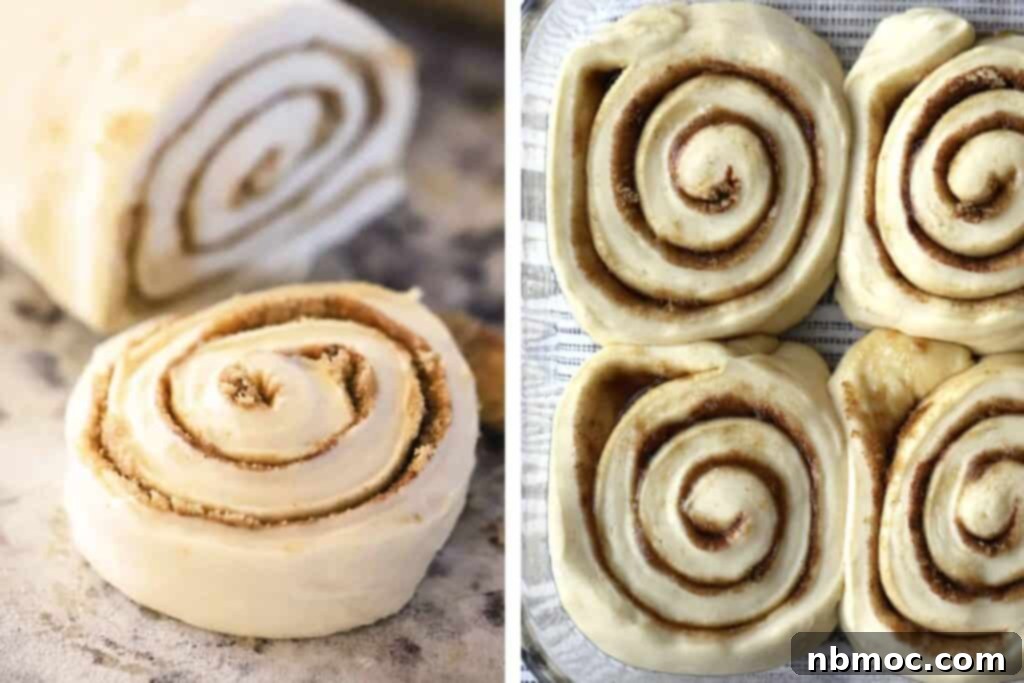
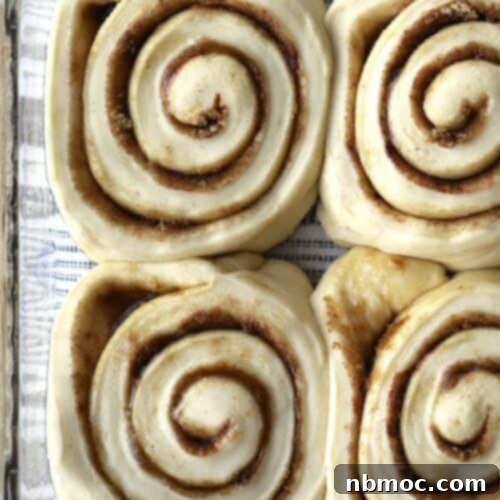
- Roll and Cut the Rolls. Starting from one of the 24-inch sides, carefully roll the dough up into a tight log. A tight roll is key to beautiful, spiraled cinnamon rolls. Using a very sharp, un-serrated knife or a piece of unflavored dental floss, cut the log into 1-inch thick slices. Arrange these slices about 1/2 to 1 inch apart in a greased 9×13 inch baking pan. Cover the pan loosely with a kitchen towel.
- Second Rise. Allow the cinnamon rolls to rise again in a warm place for another 30 minutes, or until they have nearly doubled in size and are gently touching each other in the pan. This second rise contributes to their ultimate fluffiness.
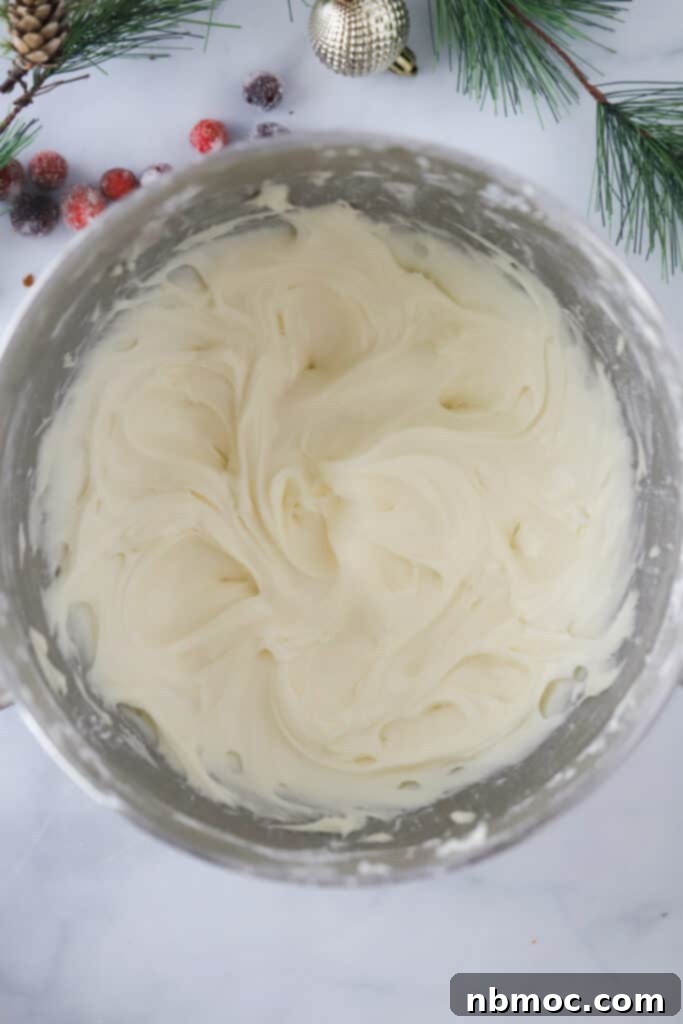
- Prepare the Cream Cheese Icing. While the rolls are completing their second rise, prepare the irresistible frosting. In the bowl of an electric mixer fitted with the paddle attachment, beat the room temperature butter and cream cheese together until they are light and fluffy. Reduce the mixer speed to very low and gradually add 3 cups of powdered sugar, 2 tablespoons of milk, and the vanilla extract. Mix until just combined, then increase the speed to high and beat until the frosting is light and fluffy. Adjust the consistency by adding more powdered sugar for a thicker icing or more milk for a thinner, drizzly glaze, a tablespoon at a time, until your desired texture is achieved.
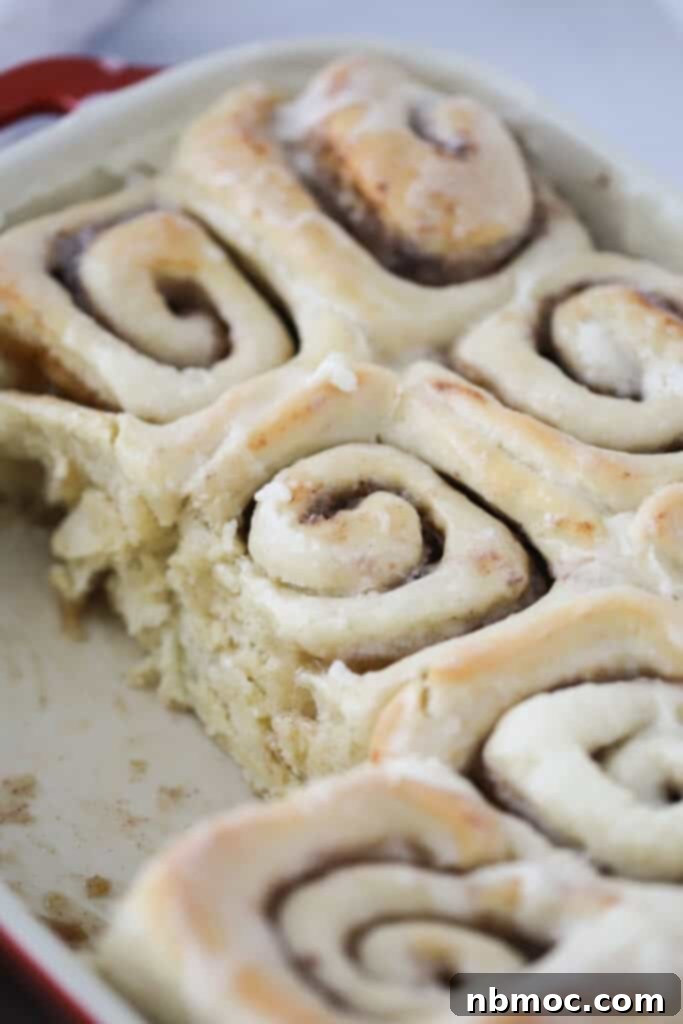
- Bake. Preheat your oven to 350°F (175°C) during the second rise. Once the rolls are fully risen, bake them in the preheated oven for 18-22 minutes. The rolls should be golden brown on both the top and bottom, indicating they are cooked through.
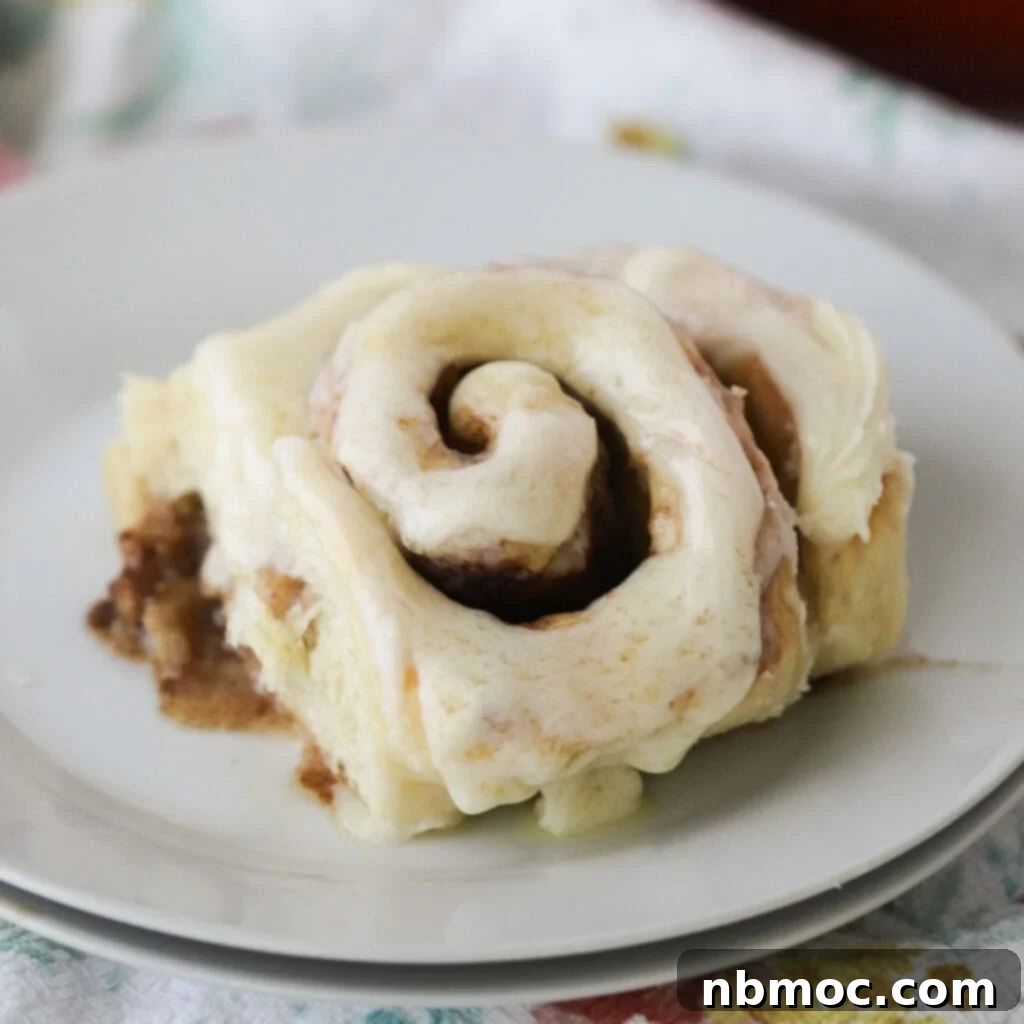
- Serve Warm. As soon as you remove the cinnamon rolls from the oven, generously spread the prepared cream cheese icing over their warm tops. The warmth of the rolls will slightly melt the frosting, allowing it to seep into every crevice. Let them cool for about 5 minutes – just enough time for the frosting to set slightly – then serve them warm. Enjoy every blissful bite!
Expert Recipe Tips and Delicious Variations
To ensure your homemade cinnamon rolls turn out perfectly every time, and to inspire some creative variations, consider these helpful tips:
- Enhance with Plumped Raisins: If you’re a fan of a classic twist, consider adding plumped raisins to your cinnamon and sugar filling. To plump them effectively, soak the raisins in enough hot liquid (such as orange juice, pineapple juice, or even just hot water) to cover them for about 10-15 minutes. This rehydrates them, making them juicy and soft, then drain before mixing into the filling.
- Adjusting Flour Quantity is Key: The exact amount of flour needed for your dough can vary significantly. Factors like the humidity level in your kitchen, the brand of flour, and even your altitude can influence how much flour the dough absorbs. Therefore, it’s crucial to add flour gradually. You’ve added enough when the dough begins to pull away cleanly from the edges of the mixing bowl. Over-flouring can result in dense, dry rolls, so pay close attention to this visual cue for perfectly tender dough.
- Customizing Roll Thickness: Your preference for roll thickness can be easily accommodated. If you adore really thick, substantial cinnamon rolls, roll your dough out to approximately 2/3 inch in thickness. For those who prefer a daintier, thinner roll, aim for about 1/3 inch. Adjusting the dough’s initial thickness directly impacts the final size and texture of your baked goods.
- Rolling Dough Like a Pro: When rolling out the dough, a helpful technique is to start from the center and roll outwards. This helps to create an even thickness across the entire rectangle. If you find the dough becoming a little sticky at any point, simply lift it gently and sprinkle a small amount of additional flour onto your work surface and the rolling pin. This prevents sticking without incorporating too much extra flour into the dough.
- Symmetry for Uniformity: Striving to keep your dough as symmetrical as possible when rolling it out will greatly contribute to uniform cinnamon roll sizes and thicknesses. A consistent rectangle means each roll will bake evenly and look professionally made. Take a moment to gently shape the dough as you roll to maintain its rectangular form.
- Alternative Cutting Methods: While a sharp knife works well, unflavored dental floss is an excellent tool for cutting cinnamon rolls. Slide a piece of floss under the log, cross the ends over the top, and pull them to slice cleanly through the dough. This method creates beautifully distinct spirals without squishing the delicate layers.
- Overnight Preparation: For a fresh morning treat without the early start, prepare the rolls up to the second rise, then cover the pan tightly with plastic wrap and refrigerate overnight. In the morning, remove from the fridge and let them sit at room temperature for about 30-60 minutes while your oven preheats, then bake as directed. This makes them perfect for holiday breakfasts!
Frequently Asked Questions About Cinnamon Rolls
We recommend baking the Best Homemade Cinnamon Rolls at 350°F (175°C). This temperature is ideal because it allows the rolls sufficient time to continue their final rise during the baking process, ensuring a light and airy interior. Baking at a much higher temperature could cause the exteriors to brown too quickly before the dough is fully cooked, potentially leaving the centers raw. Conversely, baking at a significantly lower temperature might prolong the cooking time too much, which can lead to the delicious cinnamon-sugar filling melting and dripping out, resulting in a less gooey center.
Absolutely! Freezing baked cinnamon rolls is an excellent way to enjoy them later. For best results, ensure the rolls are completely cooled to room temperature before freezing. Once cool, wrap each roll individually or the entire batch snugly in plastic wrap, then place them inside freezer bags or another airtight container. Properly stored, they can maintain their quality in the freezer for up to 2 months. This makes them perfect for meal prepping breakfasts or having a quick treat on hand.
Reheating cinnamon rolls is simple and brings back that freshly baked warmth. If you have an entire pan, you can place it back into a preheated oven at 300°F (150°C) for about 10-15 minutes, or until warmed through. For individual rolls, the microwave is your best friend: place a single cinnamon roll on a paper plate and heat it for approximately 20-30 seconds, or until it’s warm and soft. A fantastic tip for reheating is to add an extra dollop of fresh frosting to the cinnamon rolls before or after warming them – it truly enhances their deliciousness and makes them feel brand new!
While a stand mixer certainly makes the kneading process easier and faster, it’s entirely possible to make these cinnamon rolls by hand. It will require a bit more manual effort, or “elbow grease,” as we say! Your kneading time will generally be about double what it takes with a mixer. So, after all the flour has been added, plan on kneading your dough by hand for approximately 6-8 minutes. The key is to knead until the dough becomes smooth, elastic, and no longer sticks to your hands. This physical process develops the gluten just as effectively as a machine.
Yes, you have several convenient options for preparing these cinnamon rolls in advance! First, you can refrigerate the prepared dough overnight. After the first rise, punch down the dough, place it in a greased bowl, cover tightly with plastic wrap, and refrigerate. Alternatively, you can roll, cut, and place the unbaked rolls into their baking dish, then either refrigerate them overnight or freeze them. To bake refrigerated rolls, simply pull the baking dish from the fridge while your oven preheats, then bake as directed. If they are frozen, transfer them to the refrigerator overnight to thaw completely before allowing them to come to room temperature and baking.
Storing and Reheating Instructions for Cinnamon Rolls
Ensure your delicious homemade cinnamon rolls stay fresh and delightful with these storage and reheating tips:
- Reheating: For a single serving, simply warm your cinnamon roll in the microwave until it’s soft and heated through. If you’re reheating an entire pan of sweet rolls, place them back into an oven preheated to 300°F (150°C) for about 10-15 minutes, or until they are thoroughly warmed. A wonderful trick to revive their flavor and moisture is to add an extra dollop of fresh frosting when reheating – it makes them incredibly more delicious!
- Refrigerator Storage: Any leftover cinnamon rolls should be wrapped tightly in plastic wrap or stored in an airtight container. They will stay fresh and moist in the refrigerator for up to 3 days, making them a perfect grab-and-go breakfast or dessert.
- Freezer Storage: To extend their shelf life, wrap leftover cinnamon rolls securely in plastic wrap, then place them in an airtight freezer bag or container. They can be safely stored in the freezer for up to 1 month. When you’re ready to enjoy them, transfer them to the refrigerator overnight to thaw gently before reheating.
More Sweet Roll Recipes You’ll Love
Amazing Raspberry Sweet Roll Recipe
Lemon Sweet Rolls
Easy Orange Sweet Rolls
Easy Caramel Cinnamon Rolls {Video}
Best Homemade Cinnamon Rolls Recipe
The Carefree Kitchen
Pin Recipe
Watch Video
2 hrs
20 mins
2 hrs 20 mins
12
people
Ingredients
Cinnamon Roll Dough
- 2 cups water, lukewarm
- 1/4 cup sugar
- 2 tablespoons active dry yeast
- 1/4 cup butter, melted
- 2 large eggs
- 1 tablespoon salt
- 5½-6 cups all-purpose flour
Cinnamon Roll Filling
- 6 tablespoons butter, melted
- 1 cup light brown sugar
- 2 tablespoons cinnamon
Cinnamon Roll Icing
- 1/4 cup butter, room temperature
- 8 ounces cream cheese, room temperature
- 3-4 cups powdered sugar
- 1 teaspoon vanilla extract
- 2-3 tablespoons milk
Instructions
Cinnamon Roll Dough
- In the bowl of a stand mixer, add the warm water, sugar, and yeast and stir well. Let the mixture sit for 5-10 minutes until it gets bubbly and activates the yeast.
- Once bubbly, add the melted butter, eggs, salt and 3 cups of flour into the yeast mixture, then mix on low using the bread hook for 2 minutes, or until everything is well-mixed.
- Add an additional 2½ cups of flour, then stir on low to combine. Add up to 1 cup more flour slowly, only until the dough pulls away from the edges of the bowl. Once all of the flour has been added, continue to knead on low for 3 minutes more.
- Turn off the mixer and cover the bowl with a kitchen towel. Let the dough rest in a warm place for about 30 minutes, or until doubled in size.
Rolling and Cutting Cinnamon Rolls
- Once the dough has doubled, turn it out onto a floured surface. Form the dough into a small rectangle with your hands. Using a rolling pin, gently roll the dough into a rectangle that is 1/2″ thick and approximately 24″ x 18.”
- Using an offset spatula, or knife, carefully spread the soft or melted butter evenly onto the rolled dough. Evenly sprinkle the brown sugar and cinnamon over the top, then pat down gently.
- Starting at either 24″ side, roll the dough up evenly making sure to get a nice tight tube, then cut into 1″ slices using a very sharp knife or floss. Lay the slices ½”-1″ apart in a greased 9″ x 13″ baking pan and cover loosely with a kitchen towel. Let the cinnamon rolls rise for another 30 minutes, or until doubled and touching in the pan.
- While your dough is rising, preheat the oven to 350 degrees. Once risen, bake in a preheated oven for 18-22 minutes, or until the bottom and the top are golden brown.
- Remove from the oven and spread the cinnamon roll icing over the tops while they are still warm. Let them cool for about 5 minutes, then serve warm. Enjoy!
Cinnamon Roll Icing
- In an electric mixer using the paddle attachment, beat the room temperature butter and room temperature cream cheese until light and fluffy. Turn the mixer down very low and add 3 cups of powdered sugar, 2 tablespoons of milk and the vanilla. Mix on low until all the ingredients are combined, then turn the mixer on high again and beat until fluffy.
- Add more powdered sugar and/or milk until you reach your desired consistency, then spread a thick layer of frosting over the warm cinnamon rolls, paying close attention to evenly coat the edges. Enjoy!
Video
Notes
Reheating: Either reheat in the microwave for a single serving or add the entire pan of sweet rolls back into the oven at 300 degrees F (150 C) for about 10-15 minutes—until warmed through. Adding a fresh dollop of frosting makes them extra delicious!
Nutrition
Calories:
342kcal
|
Carbohydrates:
53g
|
Protein:
1g
|
Fat:
14g
|
Saturated Fat:
8g
|
Cholesterol:
70mg
|
Sodium:
722mg
|
Potassium:
52mg
|
Sugar:
51g
|
Vitamin A:
460IU
|
Calcium:
42mg
|
Iron:
0.4mg
Disclaimer: Nutritional values were calculated using a third-party tool and are provided as an estimation only.
Breakfast
American
Sharing this recipe with a link is both encouraged and appreciated. Copying/pasting and/or screenshots of full recipes to any social media is strictly prohibited. Content and photographs are copyright protected.
Explore More Delightful Cinnamon Roll and Sweet Roll Recipes
If you’ve fallen in love with the art of making sweet rolls, or simply crave more variations of this comforting classic, you’re in for a treat! Our kitchen is brimming with creative and delicious recipes that build on the joy of homemade goodness. From unique flour blends to seasonal flavors and fun shapes, there’s a sweet roll for every occasion and every palate. Dive into these other irresistible options:
- Einkorn Cinnamon Rolls: A wholesome twist on the classic, made with ancient grain flour for a unique flavor and texture.
- Cinnamon Focaccia Bread: A delightful fusion of savory focaccia’s texture with the sweet spice of cinnamon.
- Triple Berry Sweet Rolls: Bursting with the vibrant flavors of three different berries, perfect for a fruity breakfast or brunch.
- Pumpkin Cinnamon Rolls: A seasonal favorite, infused with warm pumpkin spice, ideal for autumn gatherings.
- Cinnamon Roll Monkey Bread: A fun, pull-apart bread made with cinnamon roll pieces, great for sharing.
- Christmas Tree Cinnamon Rolls: A festive and decorative treat that’s as fun to make as it is to eat during the holidays.
- Whole Wheat Cinnamon Rolls: A heartier, yet equally delicious, version that incorporates whole wheat flour.
- Discover even more incredible Best Cinnamon Roll Flavors from our extensive collection.
- Looking for other morning delights? Browse our full range of Breakfast Recipes.
- Cinnamon Swirl Raisin Bread: A fragrant and comforting loaf, perfect for toasting or enjoying with butter.
These Best Homemade Cinnamon Rolls are truly a testament to the joy of baking. Made with simple, honest ingredients, they are transformed into the lightest, fluffiest, softest, and chewiest cinnamon rolls you can imagine. Every batch comes complete with our irresistible recipe for a smooth cream cheese icing – the perfect crowning glory to generously spread over your warm, fragrant cinnamon rolls, fresh from the oven, creating an unforgettable sensory experience.