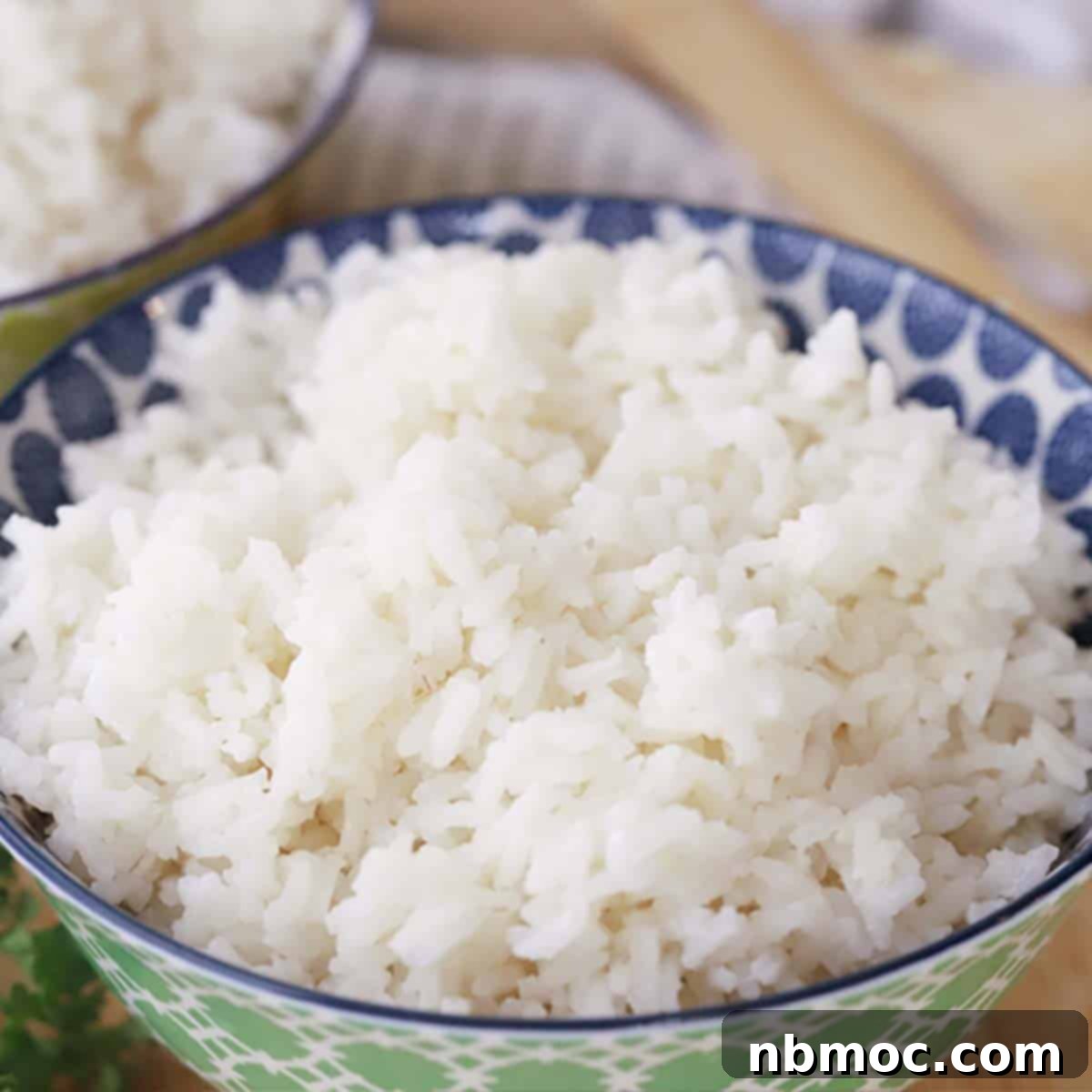
Transform your ordinary meal into an extraordinary culinary experience with this unbelievably fragrant and fluffy Coconut Milk Rice. This delightful side dish, infused with the subtle sweetness of coconut and a hint of salt, is the perfect companion to a wide array of Asian-inspired cuisines. Forget bland, sticky rice; our simple recipe guarantees a light, separate, and aromatic grain that will impress every time. Whether you’re a seasoned chef or a kitchen novice, preparing this gourmet-quality coconut rice is surprisingly effortless and incredibly rewarding.
Its rich aroma and delicate texture make it an irresistible addition to curries, stir-fries, grilled fish, or any dish that benefits from a touch of tropical sweetness. Beyond its incredible taste, this recipe is also naturally vegan, vegetarian, gluten-free, dairy-free, and nut-free, making it an excellent choice for diverse dietary needs without compromising on flavor. Get ready to elevate your meal prep and dinner parties with this versatile and deeply satisfying side dish.
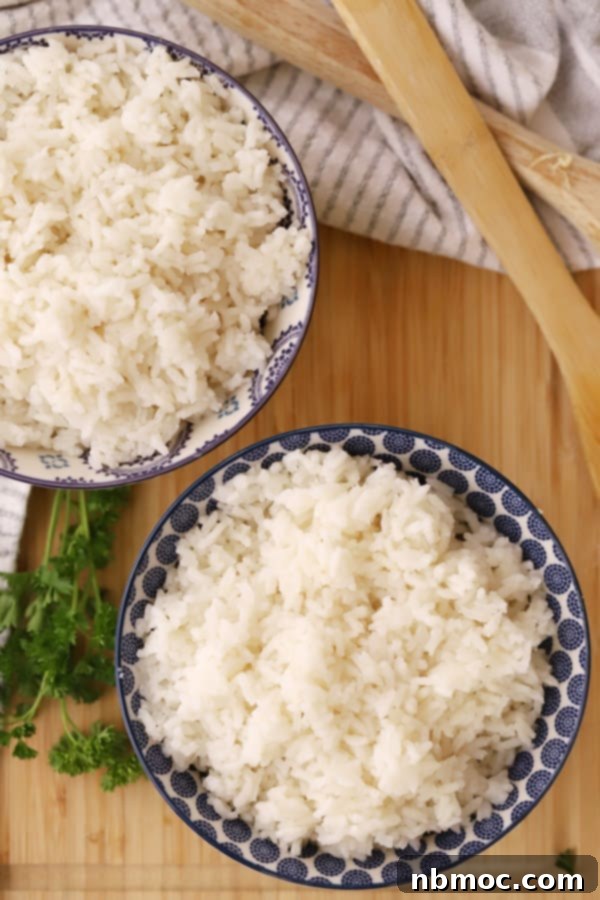
The Irresistible Allure of Fluffy Coconut Rice
Rice, often considered a humble staple, possesses the incredible potential to be transformed into something truly special with just a few key ingredients. Coconut rice exemplifies this beautifully, elevating simple grains into a memorable and essential component of any meal. This beloved dish, deeply rooted in Southeast Asian culinary traditions where coconut milk is a fundamental ingredient, introduces a unique depth of flavor, luxurious creaminess, and an aromatic quality that distinctly sets it apart from typical rice preparations.
Our preferred foundation for this recipe is Jasmine rice, a long-grain variety celebrated for its naturally fragrant, slightly sweet, and subtly buttery flavor profile. Its delicate aroma perfectly harmonizes with the rich, creamy notes of coconut milk, yielding a blend that is both comforting and exotically captivating. Jasmine rice is also known for cooking up light and separate, which is crucial for achieving that desirable fluffy texture characteristic of excellent coconut rice. While Jasmine is our top recommendation for an authentic and superior flavor, other quality long-grain white rices can be used as effective substitutes if Jasmine rice is unavailable.
One of the many appealing aspects of this coconut rice recipe is its remarkable adaptability across various cooking methods. You can achieve consistently perfect, fluffy, and flavorful results whether you opt for the simplicity of a traditional stovetop pot, the convenience of a modern rice cooker, or the speed of an Instant Pot. We provide clear, step-by-step instructions for each method, ensuring that regardless of your kitchen equipment, you can effortlessly master this delicious side dish. This versatility makes it an ideal recipe for busy weeknights or more elaborate weekend meals.
Beyond its incredible taste and ease of preparation, our coconut milk rice recipe is also an outstanding choice for those with specific dietary requirements. It is naturally vegan and vegetarian, making it a perfect addition to plant-based diets. Furthermore, it is gluten-free, dairy-free, and entirely nut-free, ensuring that it can be enjoyed by a wide range of individuals without concerns about common allergens. This inclusive nature truly makes it a crowd-pleaser that caters to virtually everyone at your table.
Essential Ingredients for the Best Coconut Milk Rice
Crafting truly exceptional coconut rice hinges on selecting just a handful of quality ingredients, each playing a vital role in developing the ideal flavor and fluffy texture. Attention to these components will ensure your dish is nothing short of perfect.
- Jasmine Rice: As highlighted, Jasmine rice is our top pick. Its intrinsic floral aroma and delicate sweetness are a natural match for the creamy coconut. The long grains cook up distinct and tender, preventing the sticky or mushy outcomes often associated with other rice types. If Jasmine rice is not available, a good quality Basmati rice can be a worthy alternative, though its flavor profile is more nutty.
- Full-Fat Unsweetened Coconut Milk: This is the soul of the dish. It is absolutely crucial to use full-fat coconut milk and to avoid “lite” or reduced-fat versions. Lite coconut milk contains significantly more water and less rich coconut cream, which will result in a less flavorful, thinner, and potentially drier rice. Full-fat coconut milk imparts the characteristic luscious richness and deep coconut flavor. Always shake or stir the can well before opening, as the thick cream often separates and settles at the top.
- Water: The strategic addition of water alongside the full-fat coconut milk is key to balancing the richness and achieving a perfectly fluffy, separate-grained texture, rather than a dense or overly sticky one. It subtly dilutes the coconut milk’s richness, allowing each grain of rice to absorb moisture evenly and cook to perfection without becoming heavy.
- Granulated Sugar: A small amount of sugar is incorporated to enhance the natural sweetness already present in the coconut milk and rice. Its purpose is not to make the dish overtly sweet but rather to deepen and round out the overall flavor profile, creating a beautiful balance with the savory notes and preventing the rice from tasting flat.
- Salt: A pinch of fine sea salt is indispensable for proper seasoning. It acts as a flavor enhancer, bringing forward the subtle complexities of the coconut and rice, and providing a necessary counterpoint to the sweetness. This balance is what makes the coconut rice truly sing on your palate.
Step-by-Step: How to Cook Fluffy Coconut Milk Rice (Stovetop Method)
Achieving perfectly fluffy and wonderfully fragrant coconut rice is an achievable goal with our clear, easy-to-follow stovetop method. You’ll be amazed at how simple it is to create such an impressive side dish.
- Prepare the Rice: Begin by placing your 1½ cups of jasmine rice into a fine-mesh sieve. Rinse the rice thoroughly under cold running water, moving it around with your fingers. Continue rinsing until the water flowing from beneath the sieve runs completely clear. This crucial step washes away excess surface starch, which is vital for ensuring your rice cooks up light, separate, and never mushy or overly sticky.
- Combine Ingredients in a Pot: Transfer the rinsed jasmine rice to a medium-sized pot that has a tight-fitting lid. Add the entire 15-ounce can of full-fat unsweetened coconut milk, ¾ cup of water, 2 teaspoons of sugar, and ¼ teaspoon of salt to the pot. Stir all the ingredients gently once or twice to combine them evenly.
- Bring to a Boil and Simmer: Place the pot over medium heat and bring the mixture to a rolling boil. Once it reaches a vigorous boil, immediately reduce the heat to the lowest possible setting. Cover the pot tightly with its lid. Allow the rice to simmer, undisturbed, for precisely 18 minutes. It is critically important during this phase not to lift the lid or stir the rice. Trapping all the steam inside the pot is essential for even cooking and achieving that coveted fluffy texture.
- Check for Liquid Absorption: After the 18 minutes of simmering, carefully lift the lid to check the rice. All the liquid should have been absorbed, and the rice grains should appear plump and tender. If you still see a small amount of liquid remaining, replace the lid and continue to cook on low heat for an additional 2 to 4 minutes, checking again afterward. Remember, still no stirring at this stage.
- Rest and Fluff Before Serving: Once all the liquid has been absorbed and the rice is perfectly tender, remove the pot completely from the heat. Keep the lid on and let the rice rest for another 10 minutes. This resting period is just as important as the cooking itself, as it allows the steam to redistribute throughout the grains, further enhancing the texture and ensuring ultimate fluffiness. Finally, remove the lid and gently fluff the rice with a fork, separating the grains. Serve immediately and enjoy!
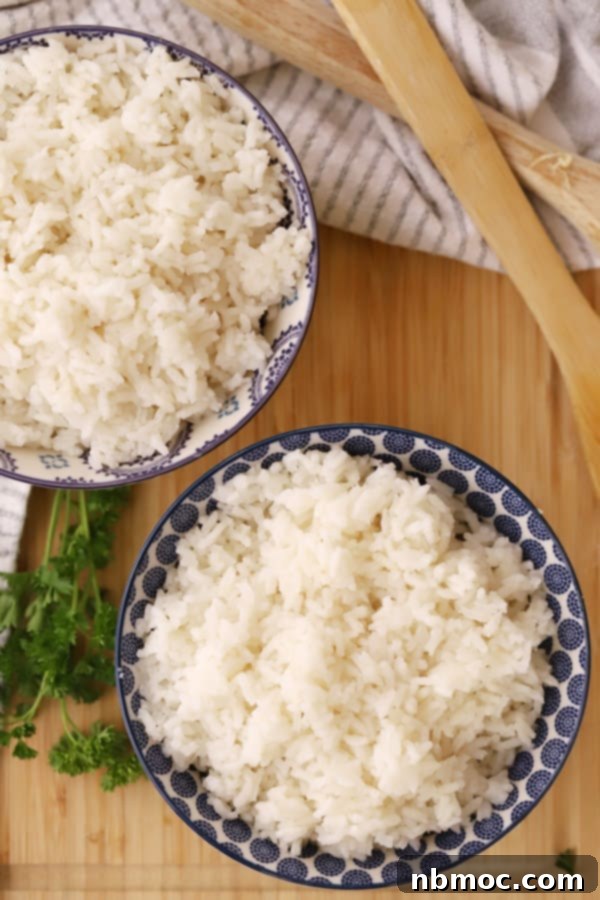
Expert Tips for Achieving Perfect Coconut Rice Every Time
While the recipe is designed to be straightforward, incorporating these expert tips will help you consistently achieve the most outstanding, fluffy, and flavorful coconut milk rice imaginable:
- Rinsing is Non-Negotiable: This cannot be stressed enough. Rinsing your rice thoroughly under cold water until the water runs clear is fundamental. This process washes away excess surface starches, which are the primary cause of sticky, gummy, or mushy rice. Skipping this step often leads to disappointing results, so take the extra minute to do it right.
- The Ideal Water-to-Coconut Milk Ratio: The inclusion of water alongside full-fat coconut milk is critical. While it might seem intuitive to use only coconut milk for maximum flavor, this can actually lead to overly rich, heavy, and dense rice that may also be sticky. The water helps to slightly thin the cooking liquid, allowing the rice grains to absorb evenly, expand properly, and remain distinct and fluffy. It’s about balance!
- Resist the Urge to Peek or Stir: This is arguably the most vital rule in rice cookery. Every time you lift the lid during the simmering process, you release precious steam. This steam is essential for creating a consistent, moist, and even cooking environment within the pot. Stirring can also break delicate rice grains and reactivate starches, which will inevitably lead to a mushy texture. Trust the timing and keep that lid firmly on until the specified cooking time has elapsed.
- Embrace the Resting Period: The 10-minute resting period off the heat, with the lid still on, is just as crucial as the active cooking time. This allows the steam and moisture to redistribute throughout the rice grains, ensuring they firm up slightly, become fully tender, and achieve that desired light, airy, and fluffy texture. Rushing this step will result in less-than-perfect rice.
- Opt for a Heavy-Bottomed Pot: Using a pot with a thick, heavy bottom is beneficial because it distributes heat more evenly across the base. This minimizes hot spots and significantly reduces the chances of the rice sticking to the bottom or cooking inconsistently, leading to a burnt layer.
- Adjust Sweetness to Your Liking: The amount of sugar specified in the recipe is a guideline designed to create a subtly sweet and balanced flavor profile. If you prefer your rice to be less sweet, feel free to reduce the sugar amount slightly. Conversely, for a more pronounced sweetness, common in certain traditional Southeast Asian preparations, you can add a tiny bit more, but always taste and adjust gradually.
- Fluff with a Fork, Not a Spoon: After the resting period, always use a fork to gently fluff the cooked rice. A spoon can tend to compact the grains and make them appear or feel mushy. A fork, on the other hand, delicately separates the grains, enhancing their fluffy texture and making them visually appealing.
Frequently Asked Questions About Coconut Milk Rice
Here are answers to some of the most common questions about preparing, customizing, and serving this incredibly versatile coconut rice:
Yes, absolutely! The Instant Pot is an excellent tool for making coconut rice, offering both speed and convenience. To do so, simply add all the ingredients—rinsed rice, full-fat coconut milk, water, sugar, and salt—directly into the Instant Pot’s inner pot. Give them a gentle stir to combine. Secure the lid, ensure the venting knob is set to the “Sealing” position, and pressure cook on High Pressure for 6 minutes. Once the cooking cycle is complete, perform a quick release by carefully switching the venting knob to “Venting” (it’s advisable to use a kitchen towel or oven mitt to protect your hand from the steam). Carefully remove the lid, gently fluff the rice with a fork, and serve immediately. This method consistently produces perfectly cooked, fluffy rice.
A rice cooker is another fantastic and largely hands-off appliance for preparing delicious coconut rice. Add the rinsed, uncooked rice, coconut milk, water, sugar, and salt to the rice cooker’s pot. Stir gently to ensure all ingredients are well combined. Close the lid and select the “White Rice” setting, or your rice cooker’s standard program for white rice. Once the rice cooker indicates that cooking is finished, allow the rice to rest on the “Keep Warm” setting for an additional 5-10 minutes. This resting period is beneficial for texture. Finally, open the lid, fluff the rice with a fork, and serve your perfectly cooked coconut rice.
Coconut rice is incredibly versatile and serves as an excellent complement to a vast array of main dishes and cuisines. It pairs exceptionally well with most Asian-inspired meals, including rich Thai curries (such as Green, Red, or Panang Curry), savory chicken or beef satay, grilled or pan-seared fish and seafood, vibrant stir-fries, and even simple grilled chicken or tofu dishes. Its mild sweetness also makes it a surprisingly good companion to some spicier Tex-Mex or Caribbean meals.
For garnishes, consider:
- Fresh Cilantro: Chopped fresh cilantro adds a bright, herbaceous note and a pop of green color.
- Toasted Coconut Flakes: These enhance the coconut flavor and provide a delightful, textural crunch.
- Lime Wedges or Zest: A squeeze of fresh lime juice or a sprinkle of grated zest offers a refreshing tang and cuts through the richness.
- Thinly Sliced Jalapeño Peppers: For those who appreciate a subtle kick of heat and a vibrant visual contrast.
- Sliced Green Onions (Scallions): Adds a mild, fresh oniony flavor and a delicate crunch.
- Toasted Sesame Seeds: Provides a nutty depth and an appealing visual texture.
- Chopped Peanuts or Cashews: For an additional layer of crunch and richness (if your diet allows nuts).
For coconut rice, long-grain white rice is overwhelmingly preferred due to its ability to cook up with distinct, separate grains, yielding a fluffy rather than sticky texture. Our strongest recommendation is Jasmine rice. Its inherent floral aroma and subtle sweetness are in perfect harmony with the coconut flavor, creating an authentic and highly aromatic dish. Basmati rice is another excellent long-grain substitute that will give you a similar fluffy texture, although its flavor profile is more nutty and less floral than Jasmine. We strongly advise against using instant rice or any short-grain rice varieties (like Arborio or Sushi rice), as their high starch content will inevitably result in a sticky, clumpy, and mushy texture that is undesirable for this recipe. If you’re interested in using brown rice, keep in mind that it requires a significantly longer cooking time and a greater volume of liquid. Always refer to the specific package instructions for your brown rice for accurate cooking ratios and times.
Absolutely! While delicious in its pure form, coconut rice is highly adaptable to additional aromatic ingredients that can elevate its complexity. Consider infusing the rice with a small piece of fresh ginger, thinly sliced or bruised; a bruised stalk of lemongrass; or a couple of kaffir lime leaves added to the pot along with the rice and liquids. These additions will impart even more fragrant, exotic notes. Just remember to remove these larger aromatics before serving the rice. For a beautiful golden hue and a subtle earthy undertone, a tiny pinch of turmeric powder can also be added to the cooking liquid.
Storing and Reheating Coconut Milk Rice
Proper storage and reheating are crucial for safely and deliciously enjoying your leftover coconut rice for several days after preparation. Cooked rice, like any perishable food, should be handled with care.
- Refrigerator Storage: It is essential to cool any leftover coconut rice quickly and thoroughly within one hour of cooking. Once cooled, transfer the rice to an airtight container. Store it in the refrigerator, where it will remain fresh and safe to eat for up to 5 days.
- To Reheat in the Oven: Preheat your oven to 300°F (150°C). Transfer the chilled rice to an oven-safe baking dish, spreading it into an even layer. To help rehydrate the grains and prevent them from drying out during reheating, sprinkle a few tablespoons of water or extra coconut milk over the rice. Cover the dish tightly with aluminum foil to trap moisture. Warm the rice in the preheated oven for 15-20 minutes, or until it is thoroughly heated through and has regained its fluffy texture.
- To Reheat in the Microwave: For convenient individual portions, place the desired amount of rice in a microwave-safe container. Add 1-2 tablespoons of water or coconut milk and mix gently to distribute the moisture. Place a damp paper towel over the rice; this helps to create steam and keep the rice moist. Heat on high power for approximately 30 seconds at a time, stirring briefly between intervals, until the rice is piping hot throughout.
- To Reheat on the Stovetop: Transfer the leftover rice to a small pot or saucepan. Stir in a splash of water or coconut milk to add moisture. Cover the pot with a tight-fitting lid and turn the heat to very low. Allow the rice to warm through gently, stirring occasionally, until it is heated evenly and fluffy again. The low heat and added liquid prevent the rice from drying out or sticking to the bottom of the pot.
More Delicious Rice Recipes You’ll Love from Our Kitchen
If you’ve enjoyed the tropical flavors and fluffy texture of this coconut milk rice, we invite you to explore more fantastic rice side dishes and complete meals from our collection. There’s a rice recipe for every occasion and palate:
- Homemade Rice Pilaf: A classic, buttery, and savory rice dish, perfect as an elegant accompaniment to almost any main course.
- Easy Spanish Rice: Bursting with vibrant flavors and colors, this rice is an excellent addition to any Tex-Mex or Southwestern-inspired meal.
- Lemon Herb Rice: Light, bright, and incredibly fresh, this rice is infused with zesty lemon and aromatic herbs, ideal for poultry or fish.
- Cheesy Green Chile Rice Casserole: A comforting and deeply satisfying casserole featuring creamy rice, gooey cheese, and a gentle kick from green chilies.
- Garlic Parmesan Rice: Rich, savory, and incredibly flavorful, this rice makes an excellent choice for Italian-themed dinners or alongside roasted vegetables.
- Easy Ham Fried Rice: A quick, customizable, and complete meal in itself, perfect for using up leftover ham or as a versatile side dish.
- Discover even more incredible ideas in our full collection of Easy Side Dish Recipes and specifically dedicated Rice Recipes.
Coconut Milk Rice Recipe
Author: The Carefree Kitchen
This savory Coconut Jasmine Rice makes a deliciously fragrant side dish to any of your favorite Asian-inspired meals. The rice is simmered in coconut milk with just a touch of sugar and salt, making the lightest and fluffiest Coconut Rice we have ever tried.
Pin Recipe
Prep Time: 5 mins
Cook Time: 20 mins
Resting Time: 10 mins
Total Time: 35 mins
Yields: 8 people
Ingredients
- 1½ cups jasmine rice, rinsed
- 1 15-ounce can unsweetened coconut milk, full fat
- ¾ cup water
- 2 teaspoons sugar
- ¼ teaspoon salt
Instructions
- Rinse the rice over a sieve until the water runs clean.
- In a pot over medium heat, combine the rinsed rice, coconut milk, water, sugar, and salt.
- Bring all to a boil, then reduce heat and let simmer, covered, for 18 minutes without removing the lid. After 18 minutes, lift the lid to check if all of the liquid has absorbed, but do not stir. You may need to cook for up to 4 additional minutes.
- Once all of the liquid has absorbed and the rice is tender, remove the pot from heat and let sit 10 minutes before fluffing with a fork. Enjoy!
Notes
- Storing leftovers: Leftover rice can be stored in an airtight container in the fridge for up to 5 days.
- To reheat in the oven, preheat your oven to 300 degrees F, and transfer rice to a baking dish. Add a few tablespoons of water, then cover with foil and warm in the oven for 15-20 minutes, or until warmed through.
- To reheat in the microwave, combine the rice and 1-2 tablespoons of water in a microwave safe container and mix well. Lay a wet paper towel over the rice and heat on high for about 30 seconds at a time until warmed through.
- To reheat on the stovetop, transfer rice to a small pot and stir in a splash of water. Mix well, then cover and turn heat to low. Continue to warm on very low heat, stirring occasionally.
Nutrition
Calories: 131kcal | Carbohydrates: 29g | Protein: 2g | Fat: 1g | Saturated Fat: 1g | Sodium: 76mg | Potassium: 40mg | Fiber: 1g | Sugar: 1g | Calcium: 10mg | Iron: 1mg
Disclaimer: Nutritional values were calculated using a third-party tool and are provided as an estimation only.
Course: Side Dish
Cuisine: Thai
Sharing this recipe with a link is both encouraged and appreciated. Copying/pasting and/or screenshots of full recipes to any social media is strictly prohibited. Content and photographs are copyright protected.
Did you make this?
Don’t forget to leave a rating below and make sure to follow on Pinterest, Instagram and Tiktok for more!
This savory recipe for coconut rice offers a deliciously fragrant and versatile side dish, perfect for complementing any of your cherished Asian-inspired meals. Whether you prefer the consistency of an Instant Pot, the ease of a Rice Cooker, or the traditional method of a stovetop, simply follow our straightforward, step-by-step instructions to achieve perfectly fluffy and richly flavorful coconut rice every single time. It’s an effortless way to bring a touch of tropical elegance to your dining table.