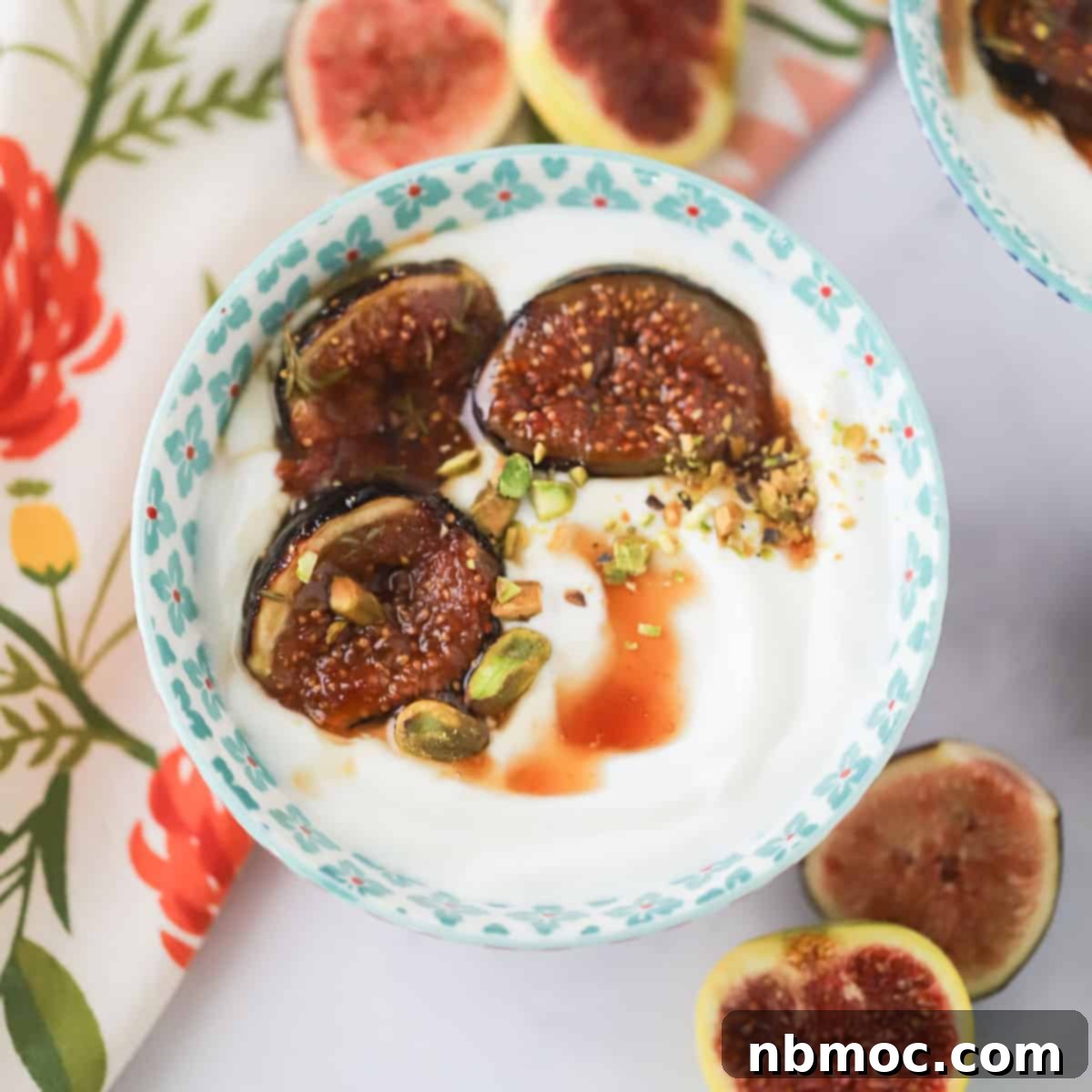
Welcome to a delightful journey into the world of **Caramelized Figs**, a simple yet elegant dish that transforms fresh figs into a truly magical culinary experience. Cooked gently with aromatic thyme and golden honey, these sweet, tender gems are perfect for elevating your breakfast, brunch, or dessert. Whether you’re topping creamy Greek yogurt for a wholesome start to your day or creating a sophisticated light dessert, these caramelized figs come together in mere minutes, making them an ideal way to celebrate fig season.
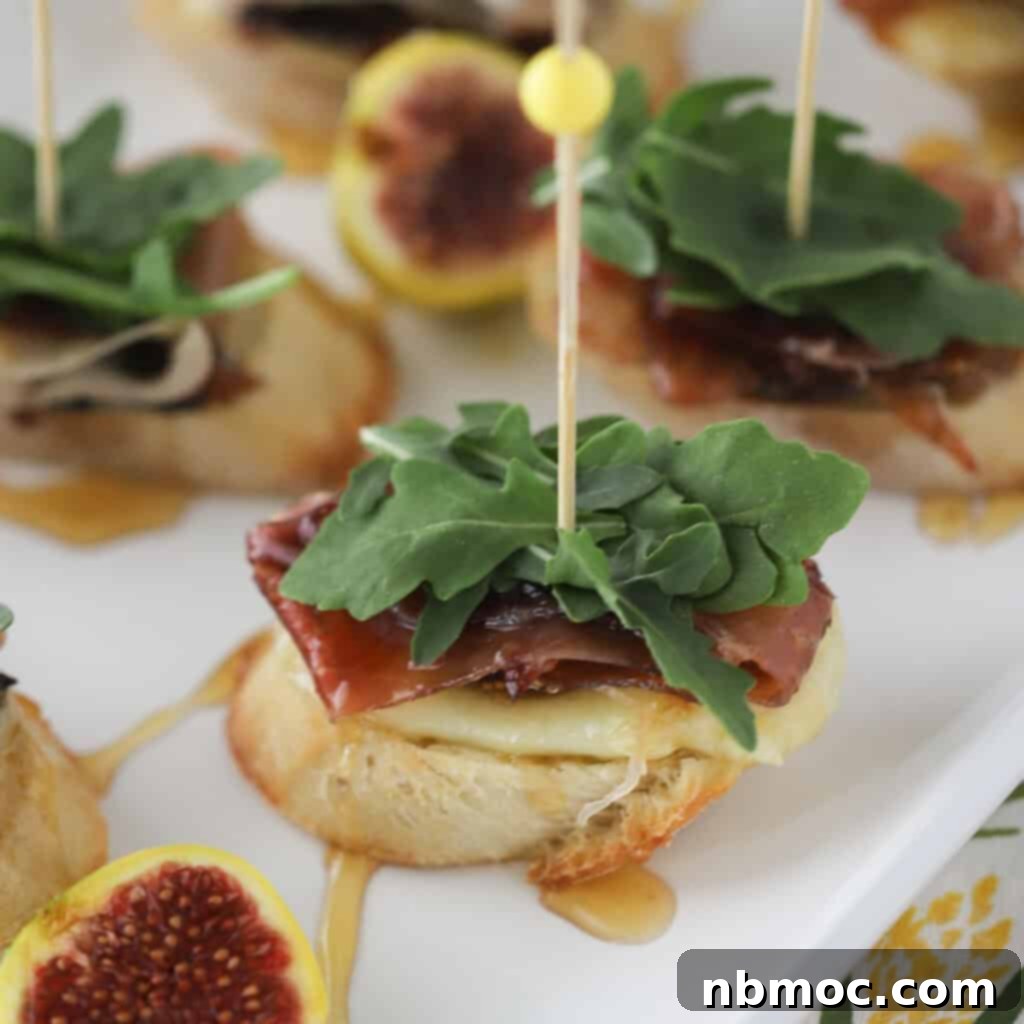
Figs, with their unique texture and subtly sweet flavor, are a versatile fruit that shines in many preparations. If you find yourself captivated by their charm, you might also enjoy exploring other delicious fig creations like our Fig and Prosciutto Crostini, a savory-sweet appetizer; the comforting Baked Brie with Fig, perfect for gatherings; or the delightful Prosciutto Wrapped Figs, a classic pairing that never disappoints.
Why You’ll Adore These Caramelized Figs
- Effortlessly Fast & Easy: This recipe is a true kitchen hero, requiring only about 10 minutes of your time and a few common pantry staples. Perfect for busy mornings or spontaneous dessert cravings.
- Naturally Sweet & Flavorful: Caramelization beautifully enhances the inherent sweetness and delicate, earthy notes of fresh figs, bringing out their best without needing excessive added sugar.
- Elegantly Versatile: Despite its simplicity, this dish boasts an impressive elegance that can transform a casual breakfast into a gourmet experience or a simple dessert into something truly special. It’s surprisingly adaptable for various meal occasions.
- Wholesome Goodness: Fresh figs are packed with fiber and nutrients, and when paired with protein-rich Greek yogurt, these caramelized figs offer a balanced and satisfying treat.
- Seasonal Highlight: It’s a wonderful way to celebrate and savor the peak season of figs, making the most of their fleeting availability.
Caramelized Figs with Honey and Yogurt: A Seasonal Delight
As late summer transitions into early autumn, fresh figs begin to grace the shelves of grocery stores and farmers’ markets, signaling the arrival of their much-anticipated season. When perfectly ripe, these tender fruits are delightful eaten straight from the tree. However, for those seeking an easy yet impactful way to elevate their natural goodness, this recipe for caramelized figs offers a transformative culinary experience. The simple act of cooking figs in honey with a hint of fresh thyme deepens their flavor, softens their texture, and creates a luscious, syrupy glaze that is nothing short of magical.
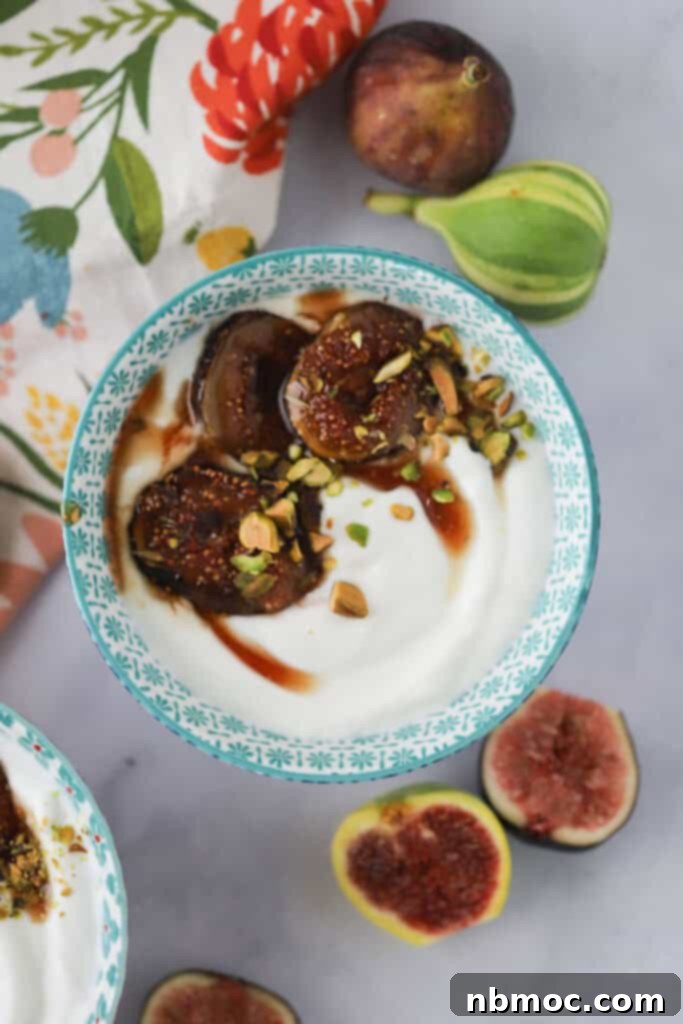
What makes this recipe truly exceptional is its minimal ingredient list and incredibly quick preparation time. You’ll be amazed at how easily these gourmet-style figs come to life. For a nutritious and satisfying breakfast or a delightful afternoon snack, serve them warm over a generous dollop of creamy Greek yogurt. Drizzle with the fragrant thyme-infused honey from the pan and sprinkle with toasted pistachios or a handful of crunchy granola for added texture and flavor. Beyond breakfast, these caramelized figs make an exquisite light dessert, equally wonderful served alongside a scoop of vanilla bean ice cream or a spoonful of whipped ricotta cheese for a touch of decadence. They also shine as a topping for pancakes, waffles, or oatmeal.
If you’re a fan of cooked figs and enjoy preserving seasonal flavors, our homemade Fig Jam is another incredibly simple and utterly delicious method. It’s perfect for spreading on crostini, incorporating into various desserts, enhancing appetizers, or simply enjoying on toast.
Essential Ingredients for Caramelized Figs
Crafting the perfect caramelized figs requires just a few high-quality ingredients. Each plays a vital role in creating the dish’s balanced sweet and aromatic profile:
- Fresh Figs: The star of our show! Look for fresh figs during their peak season, typically from late summer through early fall. When selecting, choose plump figs that are slightly soft to the touch but not mushy. They should have a rich, deep color for their variety. Any type of fig works beautifully – Black Mission, Brown Turkey, Kadota, or Calimyrna figs are all excellent choices, each offering a slightly different nuance in sweetness and texture. For this recipe, you will simply need to wash and slice them in half lengthwise.
- Honey: Honey acts as the primary sweetening and caramelizing agent. The quality and type of honey can subtly influence the final flavor of your figs. Explore local honey varieties, as their unique floral notes (determined by what the local bees are foraging) can add incredible depth. Lighter, milder honeys will allow the fig and thyme flavors to shine, while a darker, more robust honey can add a richer undertone. Choose a flavor you genuinely enjoy!
- Thyme (Fresh): Fresh thyme infuses the honey with its earthy, slightly peppery, and subtly lemony notes, perfectly complementing the sweetness of the figs. You can either strip the small leaves from the stems and add just the leaves, or for a more robust infusion that’s easier to remove later, simply add entire 4-inch sprigs to the honey. If fresh thyme isn’t available, dried thyme can be used in a pinch, but fresh provides a much more vibrant aroma. Alternatively, fresh **Rosemary** offers another fantastic aromatic option, lending a more piney, pungent flavor that pairs wonderfully with figs.
- Vanilla Extract: A touch of vanilla extract, stirred in off the heat, rounds out and enhances all the other flavors. Its warm, sweet aroma adds a layer of complexity without overpowering the natural taste of the figs and honey. Always use pure vanilla extract for the best results.
- Greek Yogurt: For serving, Greek yogurt provides a creamy, tangy base that beautifully contrasts the sweet, warm figs. I recommend sticking with either plain, unsweetened Greek yogurt (to control sweetness and allow fig flavors to dominate) or a lightly sweetened vanilla variety. Its thick texture holds up well to the figs and offers a protein-rich addition, making the dish suitable for breakfast or a light, healthy dessert.
- Pistachios (Toasted): Toasted pistachios are a delightful garnish. They not only provide a beautiful pop of green color but also a satisfying crunch and nutty flavor that complements the soft figs and creamy yogurt. Toasting them briefly in a dry skillet enhances their aroma and taste. Pine nuts, with their buttery, subtle flavor, would also be a delicious alternative with these caramelized figs, particularly if leaning into a Mediterranean-inspired theme.
Simple Steps to Caramelize Figs Perfectly
Caramelizing figs is an incredibly straightforward process that yields impressive results. Follow these easy steps to create your own batch of sweet, tender, thyme-infused figs:
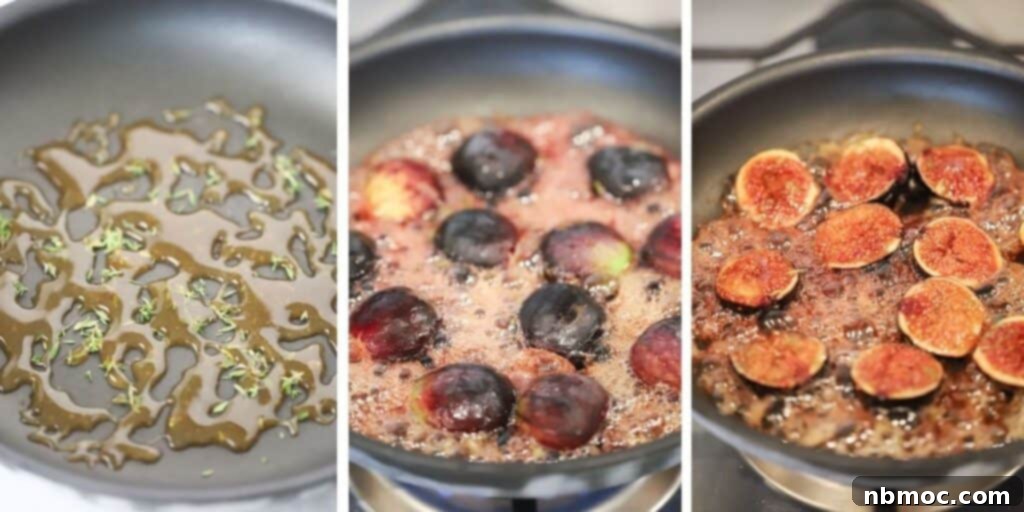
- Prepare the Infused Honey: Begin by heating a medium-sized skillet over medium-low heat. Add the honey and the sprig (or stripped leaves) of fresh thyme to the pan. Allow it to gently warm and simmer for approximately 1 minute. This short cooking time allows the thyme to release its fragrant oils and infuse the honey with its delightful aroma.
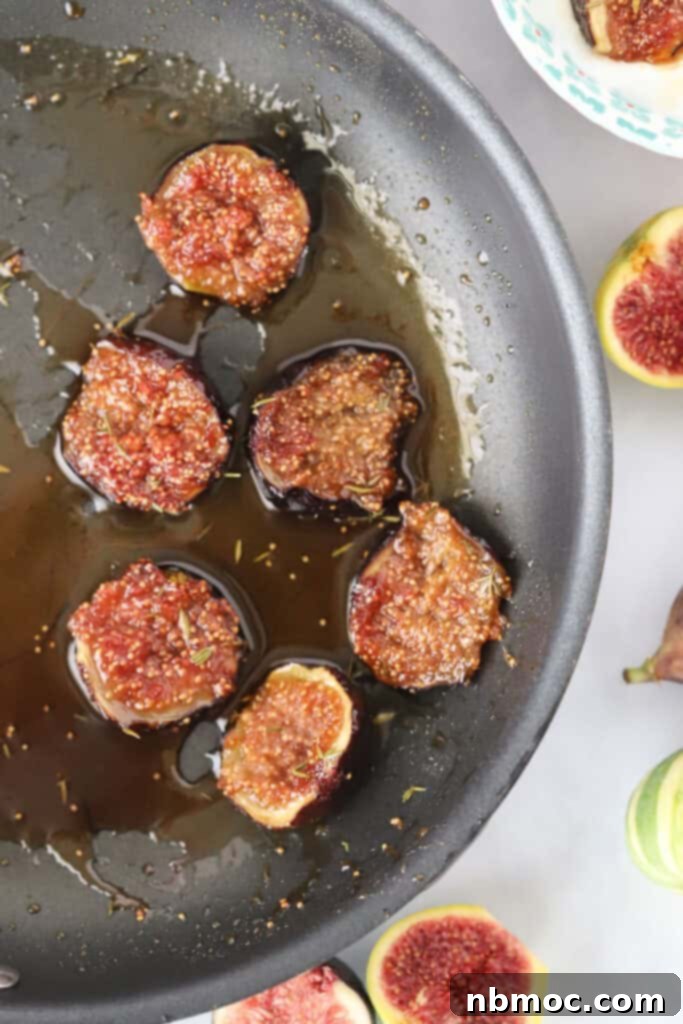
- Caramelize the Figs: While the honey is warming, prepare your figs by washing them thoroughly and slicing each one in half lengthwise. Once the honey is fragrant, carefully arrange the fig halves, cut-side down, into the warmed honey in the skillet. Ensure they are in a single layer if possible, without overcrowding the pan. Cook the figs for about 4-5 minutes in total. Halfway through, use tongs to gently flip the figs over, allowing both cut sides to caramelize and become tender. You’ll notice the figs softening and absorbing the golden honey, with a beautiful slight char developing on the cut surfaces.
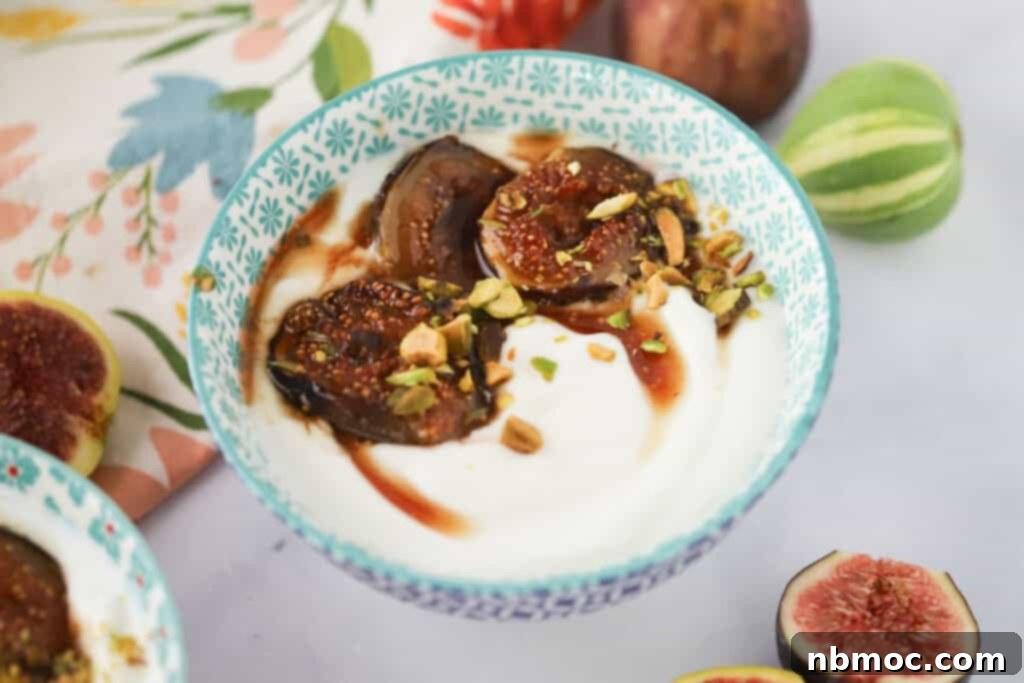
- Finish and Serve: Once the figs are tender and beautifully caramelized, remove the skillet from the heat. Stir in the vanilla extract, allowing its warm notes to blend with the other flavors. Let the figs cool for just a few minutes in the pan – they are delicious served warm. Arrange the caramelized figs over a bowl of creamy Greek yogurt, spooning extra thyme-infused honey from the pan over the top. Garnish with a sprinkle of toasted pistachios for crunch and visual appeal. Enjoy this delectable treat immediately!
Expert Tips for the Most Delicious Caramelized Figs
- Prioritize Ripe Figs: The foundation of exceptional caramelized figs lies in the quality of your fruit. Always seek out figs that are plump, soft to the touch (but not mushy), and exhibit a rich, deep color. Ripe figs possess natural sweetness and a delicate texture that will caramelize beautifully, yielding the most flavor-packed results.
- Avoid Overcrowding the Pan: For optimal caramelization, it’s crucial to give your fig halves enough space in the skillet. If you overcrowd the pan, the figs will steam rather than brown, leading to a less intense caramelization. Work in batches if necessary to ensure each fig gets proper contact with the heat and honey.
- Maintain Medium-Low Heat: Caramelization is a delicate process involving sugars. Cooking over medium-low heat is key to prevent the honey from burning while allowing the figs to gently soften and absorb flavor. High heat can scorch the sugars, resulting in a bitter taste and tough figs. Patience is a virtue here!
- Enhance Flavors Thoughtfully: While honey and thyme provide a fantastic base, a few additional touches can elevate your figs. A tiny pinch of sea salt can balance the sweetness and deepen the overall flavor profile. A squeeze of fresh lemon juice at the end brightens the dish, cutting through the richness. And, as mentioned, a splash of good quality vanilla extract adds a lovely warmth and complexity.
- Serve Warm for Ultimate Enjoyment: Caramelized figs are undoubtedly at their best when served warm, straight from the skillet (after a brief cooling period). This ensures their jammy texture and fragrant aroma are most pronounced. The warm figs with cool yogurt or ice cream create a delightful temperature contrast.
- Don’t Waste the Honey: The honey left in the pan is infused with fig and thyme flavors. Make sure to drizzle every last drop over your serving for maximum enjoyment!
- Storage Wisdom: If you have any leftovers, store them in an airtight container in the refrigerator. They’ll remain delicious for up to 4 days. Reheat gently in a skillet or microwave, or enjoy them cold as a topping for oatmeal or cereal.
Creative Recipe Variations and Serving Suggestions
The beauty of these caramelized figs lies in their incredible versatility. Beyond serving them with Greek yogurt, here are numerous ways to incorporate them into various meals and occasions:
- Decadent Dessert: For a more indulgent treat, serve the warm caramelized figs over a scoop of premium vanilla bean ice cream or gelato. Enhance the experience with a generous drizzle of the warm thyme honey and a sprinkle of candied pistachios or candied pecans for an extra layer of sweetness and crunch.
- Elevate Your Cheese Boards: Caramelized figs are a sophisticated addition to any cheese board or charcuterie spread. Pair them with creamy, salty cheeses like whipped feta, rich brie, pungent blue cheese, or tangy goat cheese. Add a scattering of walnuts or hazelnuts and a light drizzle of extra honey for a gourmet touch.
- Nutty Additions: Introduce another layer of texture and flavor by adding different toasted or candied nuts. Toasted walnuts, hazelnuts, or slivered almonds can all provide a delightful contrast to the soft figs.
- Effortless Appetizer: Transform these figs into a quick and easy appetizer. Serve them on toasted baguette slices (crostini) with a smear of goat cheese or ricotta, a drizzle of balsamic glaze (or a splash of balsamic vinegar reduced slightly in the pan after the figs are removed), and thin slices of prosciutto. For another delightful option, try these Fig and Brie Crostini.
- Gourmet Pizza Topping: Add an unexpected gourmet twist to homemade pizzas. After baking, top your pizza with creamy ricotta cheese, thinly sliced prosciutto, and these warm caramelized figs for a sweet and savory sensation.
- Vibrant Salads: Incorporate sliced caramelized figs into fresh salads. They pair wonderfully with peppery arugula, crumbled goat cheese, and toasted almonds, all dressed with a light vinaigrette.
- Liquor-Kissed Delicacy: For an adult-friendly spin, deglaze the pan with a splash of brandy, rum, or even a good quality balsamic vinegar after removing the figs. Simmer for a minute until slightly reduced, then pour this flavorful sauce over the figs for an extra layer of depth.
- Warmly Spiced: Experiment with warm spices during the caramelization process. A pinch of ground cinnamon, a touch of cardamom, or a star anise pod added to the honey mixture will infuse the figs with a comforting, aromatic warmth.
Frequently Asked Questions About Caramelized Figs
Absolutely! Roasting figs in the oven is a fantastic alternative if you prefer a hands-off approach or are preparing a larger batch. To make roasted figs, simply add the honey and thyme to a 9-inch by 9-inch baking dish. Place the cut figs on top, ensuring the cut sides are facing up or down depending on your preference for browning. Roast them in a preheated oven at approximately 350°F (175°C) for about 35-40 minutes, or until the figs are beautifully softened and slightly bubbling with caramelized honey. This method yields a similarly delicious, jammy fig with minimal effort.
Yes, absolutely! The skin of fresh figs is entirely edible and forms an essential part of the fruit’s texture, holding the delicate interior together. There’s no need to peel or remove them before eating or cooking. In fact, when figs are caramelized, the skin softens further and adds a wonderful chewiness and additional flavor, contributing to the overall deliciousness of the dish. Just be sure to wash your figs thoroughly before preparation.
Leftover caramelized figs can be stored easily. Simply transfer them to an airtight container and keep them in the refrigerator. They will maintain their quality and delicious flavor for up to 4 days. You can enjoy them cold straight from the fridge as a topping for oatmeal, or gently reheat them in a skillet over low heat or in the microwave for a warm treat.
While most fig varieties will caramelize beautifully, some common types like Black Mission, Brown Turkey, and Calimyrna figs are particularly well-suited. Black Mission figs are very sweet and have a deep purplish-black skin, while Brown Turkey figs are a bit less sweet with a slightly nutty flavor. Calimyrna figs are larger, often greenish-yellow, and offer a rich, nutty taste. The most important factor is simply choosing ripe, fresh figs regardless of the specific variety.
This recipe is specifically designed for fresh figs to achieve that soft, jammy interior and slightly crisp, caramelized exterior. While you could technically rehydrate and then cook dried figs in honey, the texture and flavor would be quite different. Dried figs have a much denser, chewier texture and a more concentrated sweetness. For the best results and the experience described, fresh figs are highly recommended.
Storing and Reheating Your Caramelized Figs
- Storing: To preserve the delightful flavors and textures of your caramelized figs, store any leftovers in an airtight container. Place the container in the refrigerator, where the figs will stay fresh and delicious for up to 4 days. The honey syrup will thicken slightly when chilled, creating an even richer glaze.
- Reheating: If you prefer to enjoy your figs warm, they reheat beautifully. You can gently warm them in a skillet over low heat until they are just heated through, being careful not to overcook them. Alternatively, a quick zap in the microwave for 15-30 seconds (depending on the quantity) will also bring them back to a lovely warm state. They are also quite delicious served cold, directly from the fridge, especially as a topping for cold cereals, oatmeal, or even added to a fruit salad.
Discover More Fig Recipes You’ll Love
Brie and Fig Crostini
Brie and Fig Puff Pastry
Fig Jam
Brie and Fig Puff Pastry Bites
Caramelized Figs Recipe
Ingredients
- 2 tablespoons honey
- 1 4-inch sprig thyme
- 3 large figs, cut in half
- 1/8 teaspoon vanilla extract
For Serving
- 12 ounces Greek yogurt, plain or vanilla
- 2 tablespoons pistachios, toasted
Instructions
- Heat a medium skillet over medium-low heat, then add the honey and thyme leaves. Cook for about 1 minute, then add the fig halves cut-side down into the honey.
- Caramelize for 2-3 minutes, then use tongs to turn the figs over and saute for another 2 minutes. Remove from heat and stir in the vanilla.
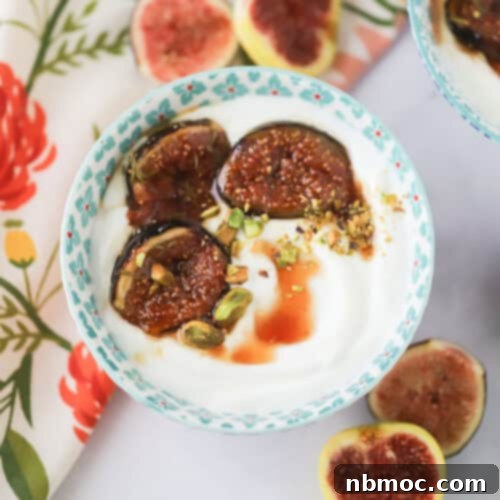
- Serve the caramelized figs over Greek yogurt with a drizzle of the thyme honey and toasted pistachios on top. Enjoy!
Notes
Nutrition Information (Estimated)
The following nutritional values are estimations and may vary depending on specific ingredients and preparation:
- Calories: 282 kcal
- Carbohydrates: 44g
- Protein: 20g
- Fat: 4g
- Saturated Fat: 1g
- Polyunsaturated Fat: 1g
- Monounsaturated Fat: 2g
- Trans Fat: 0.01g
- Cholesterol: 9mg
- Sodium: 63mg
- Potassium: 554mg
- Fiber: 4g
- Sugar: 39g
- Vitamin A: 198 IU
- Vitamin C: 3mg
- Calcium: 234mg
- Iron: 1mg
Disclaimer: Nutritional values were calculated using a third-party tool and are provided as an estimation only. Actual values may vary.
Sharing this recipe with a link is both encouraged and appreciated. Copying/pasting and/or screenshots of full recipes to any social media is strictly prohibited. Content and photographs are copyright protected.
Did you make this?
We’d love to hear from you! Don’t forget to leave a rating below and make sure to follow us on Pinterest, Instagram, and TikTok for more delicious recipes and cooking inspiration!
Explore More Simple Fall Dessert Recipes
As the weather cools and the leaves change, our kitchens fill with the comforting aromas of fall. If you’re looking for more easy and delicious seasonal treats, these recipes are sure to delight:
- Mini Pumpkin Cheesecake
- Apple Cinnamon Monkey Bread
- Classic Homemade Apple Pie
- Irresistible Caramel Dip
- Moist Pumpkin Cake with Cream Cheese Frosting
- Soft Pumpkin Cookies with Cream Cheese Frosting
- Discover even more seasonal delights in our full collection of Fall Recipes
- Find inspiration for your morning meal with more Breakfast Ideas
In conclusion, these honey-cooked caramelized figs are a testament to how effortlessly simple ingredients can create an extraordinary dish. Their sweet, tender interior, infused with the subtle fragrance of thyme, offers a truly amazing flavor experience. Whether you choose to serve them over creamy Greek yogurt for a wholesome breakfast, alongside rich vanilla ice cream for a light dessert, or even as a sophisticated topping for crostini or pizza, their versatility knows no bounds. With just a few minutes of preparation and a handful of ingredients, you can bring the delightful essence of fig season into your home and onto your table.