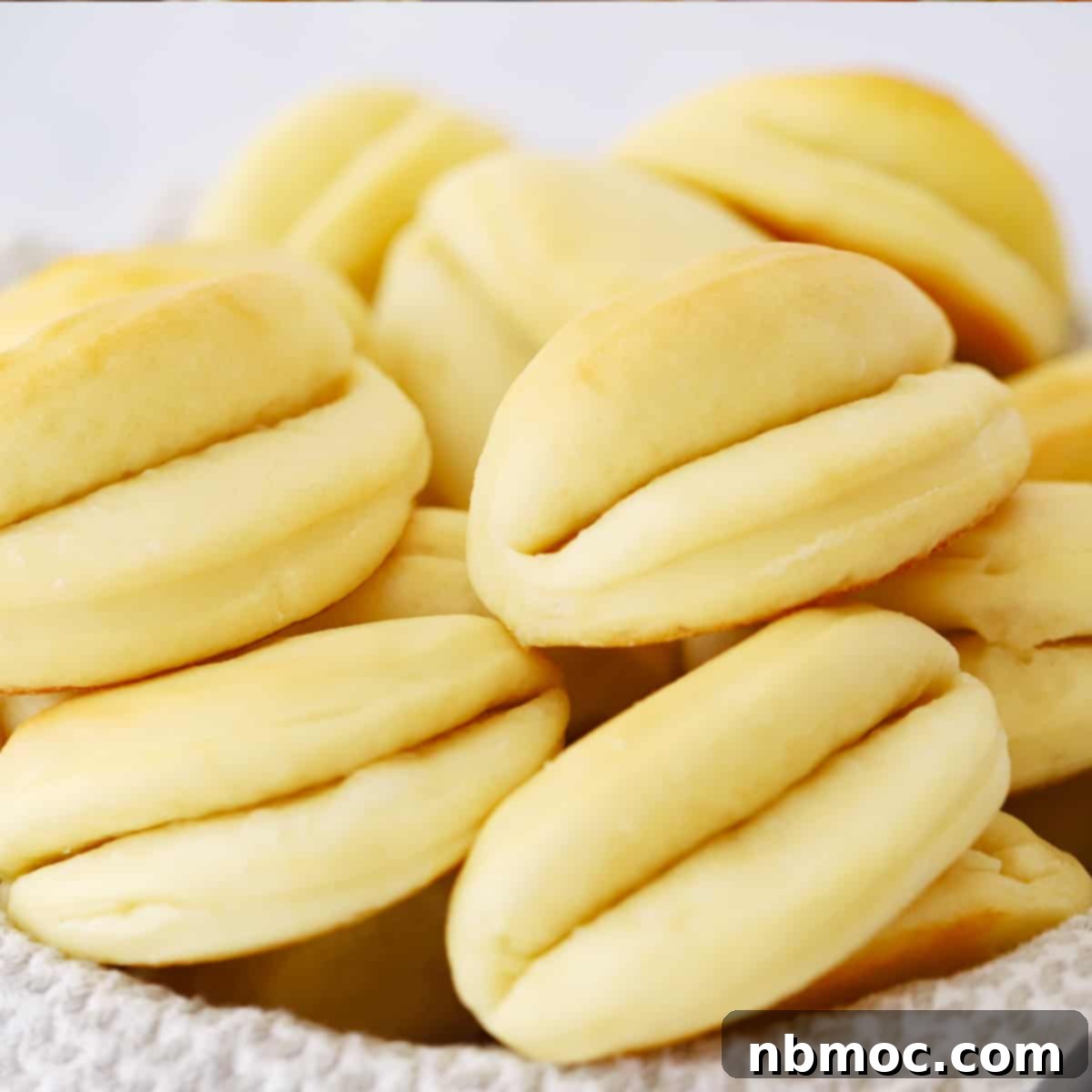
The Ultimate Homemade Parker House Rolls Recipe: Soft, Buttery, and Irresistible
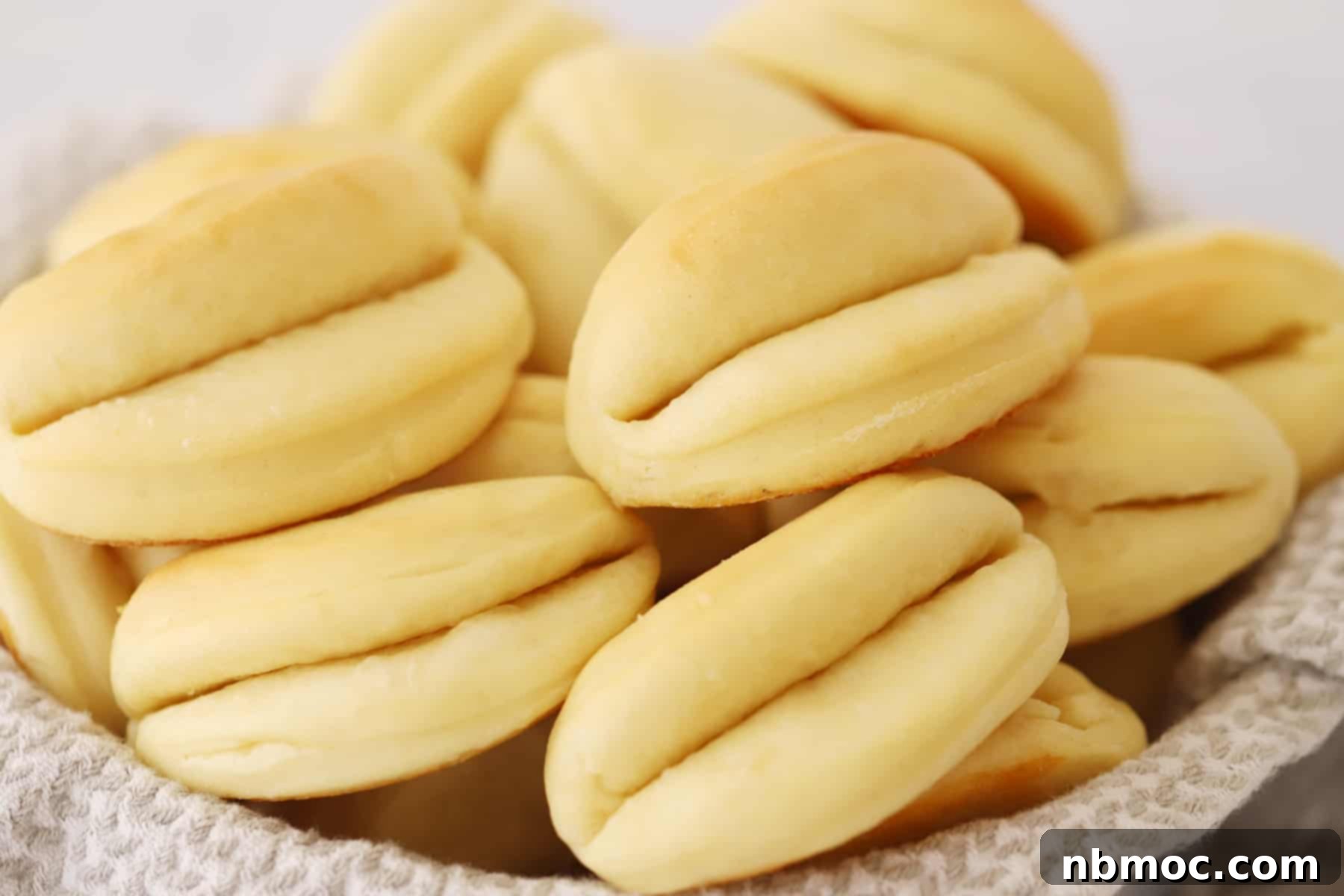
Discover the definitive guide to baking the most exquisite Parker House Rolls. These pull-apart rolls are renowned for their incredible softness, rich buttery flavor, and an ease of preparation that will astonish you. Brushed generously with melted butter not just once, but twice—before and after baking—they achieve a melt-in-your-mouth texture that makes them simply irresistible. Elevate any meal, from a casual dinner to a grand holiday feast, with these classic dinner rolls that everyone adores.
Hailing from the historic Parker House Boston Hotel in the 19th century, these light and fluffy rolls have stood the test of time, becoming a beloved staple. To truly enhance your experience, serve these tender rolls with delightful accompaniments such as a savory garlic butter spread, a vibrant Strawberry Freezer Jam, or a sweet and homemade cinnamon honey butter. The combination is simply divine!
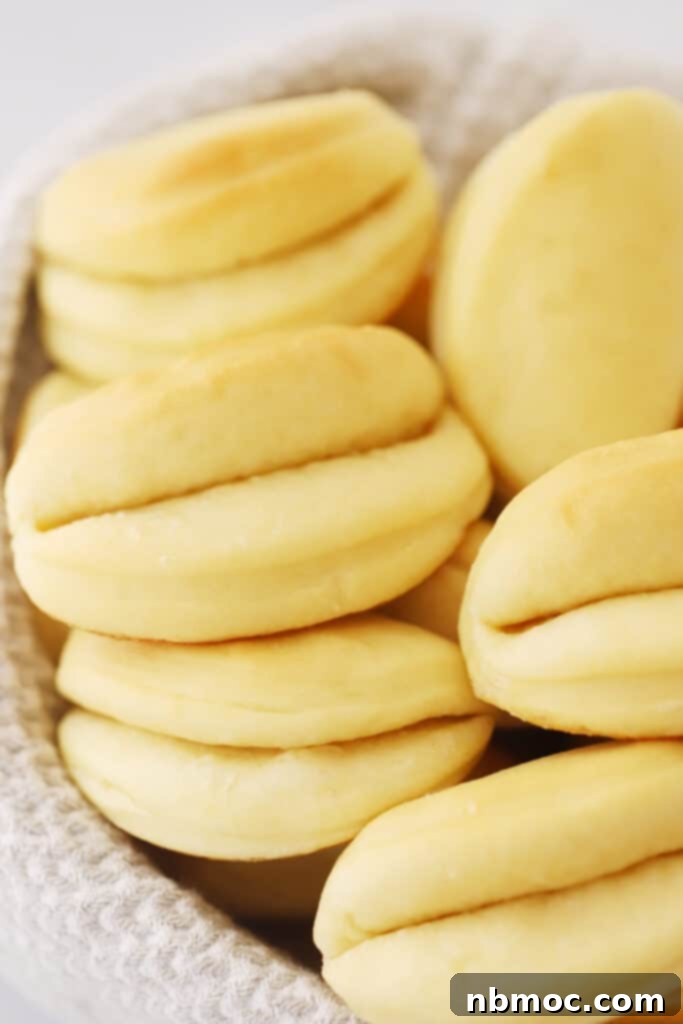
Why This Parker House Rolls Recipe Stands Out
Many recipes promise soft rolls, but this rendition of Parker House rolls truly delivers unparalleled fluffiness and a rich, buttery taste that sets it apart. The process is surprisingly straightforward, requiring minimal active preparation time, making them a feasible baking project even for busy schedules. Once you master this simple technique, you’ll find yourself eager to make them a regular addition to your kitchen repertoire.
What makes these the absolute best? Our secret lies in the double butter application. A lavish brush of melted butter is applied not just once, but twice – imparting an extraordinary richness and ensuring every bite is moist and flavorful. This extra step transforms them into truly decadent rolls that promise to be a highlight of your bread basket.
Perfectly suited for any occasion, these rolls are a fantastic accompaniment to a wide range of dishes. They beautifully complement traditional New England fare like Herb Roasted Turkey, a comforting bowl of Chicken Noodle Soup, or a warm, savory Marinara. The recipe utilizes a basic yeast dough, and even if you’re new to working with yeast, fret not! We’ll guide you through each step, ensuring a successful and delicious outcome.
Essential Ingredients for Perfect Parker House Rolls
The magic behind these super soft and pillowy rolls comes from a careful combination of staple ingredients. Each component plays a vital role in achieving their signature texture and flavor.
- Warm Water: Crucial for activating the yeast. Ensure it’s between 95°F and 110°F (35°C-43°C). Water that’s too cold won’t activate the yeast, while water that’s too hot will kill it, preventing your dough from rising. A good test is to ensure it feels warm, but not hot, to the touch.
- Sugar: Beyond slightly sweetening the dough, sugar acts as food for the yeast, helping it to become active and produce the gas needed for a good rise. Any granulated sugar works well here.
- Active Dry Yeast: This recipe works beautifully with both active dry and instant yeast. If using instant yeast, you can mix it directly with the dry ingredients without the initial proofing step. However, proofing (mixing with warm water and sugar first) is a great way to ensure your yeast is active, especially if you’re unsure of its freshness.
- Milk: Using whole milk contributes significantly to the richness and tender crumb of the rolls. Its fat content creates a softer dough. However, feel free to use whatever milk you have on hand; 2% or even non-dairy milk can work, though the texture might vary slightly.
- Eggs: Large eggs are ideal. Eggs add richness, help bind the dough, and contribute to the rolls’ structure and tenderness. They also give the rolls a beautiful golden hue.
- Butter: A generous amount of butter is key to the distinctive Parker House roll flavor and ensures a wonderfully soft texture. Using unsalted butter allows you to control the overall saltiness of the recipe. Melted butter is incorporated directly into the dough and used for brushing the rolls.
- All-Purpose Flour: Standard all-purpose flour provides the right balance of protein for a tender yet structured roll. You’ll add it gradually to achieve the correct dough consistency, which is slightly sticky but pulls away from the bowl.
- Salt: Essential for flavor balance, salt also helps control the yeast activity, preventing the dough from rising too quickly.
Step-by-Step Guide: How To Make Parker House Rolls
Creating these delightful rolls is a rewarding experience. Follow these detailed steps for perfect results every time.
- Proof the Yeast: In a large mixing bowl, or the bowl of your stand mixer fitted with a dough hook, combine the warm water, sugar, and active dry yeast. Stir gently and let it sit for about 5-7 minutes. You’ll know the yeast is active when it becomes foamy and frothy on the surface, indicating it’s alive and ready to work its magic.
- Mix the Dough: Once your yeast is proofed, add the melted butter, eggs, and salt to the bowl. Begin adding the flour, starting with about 3 cups. Mix on low speed until the ingredients are just combined. Continue adding the remaining flour, about half a cup at a time, until the dough starts to pull cleanly away from the sides of the bowl. The dough should still be slightly sticky to the touch, but manageable and not overly wet. Avoid adding too much flour, as this can lead to dry, dense rolls.
- Knead and First Rise: Increase the mixer speed to medium-low and knead the dough for 3-5 minutes. Alternatively, knead by hand on a lightly floured surface until the dough is smooth, elastic, and springs back when gently poked. Lightly grease a clean bowl with butter or cooking spray, place the dough in it, turning once to coat. Cover the bowl with a clean kitchen towel or plastic wrap. Let the dough rise in a warm, draft-free place for approximately 30-60 minutes, or until it has visibly doubled in size. The exact time depends on the warmth of your kitchen.
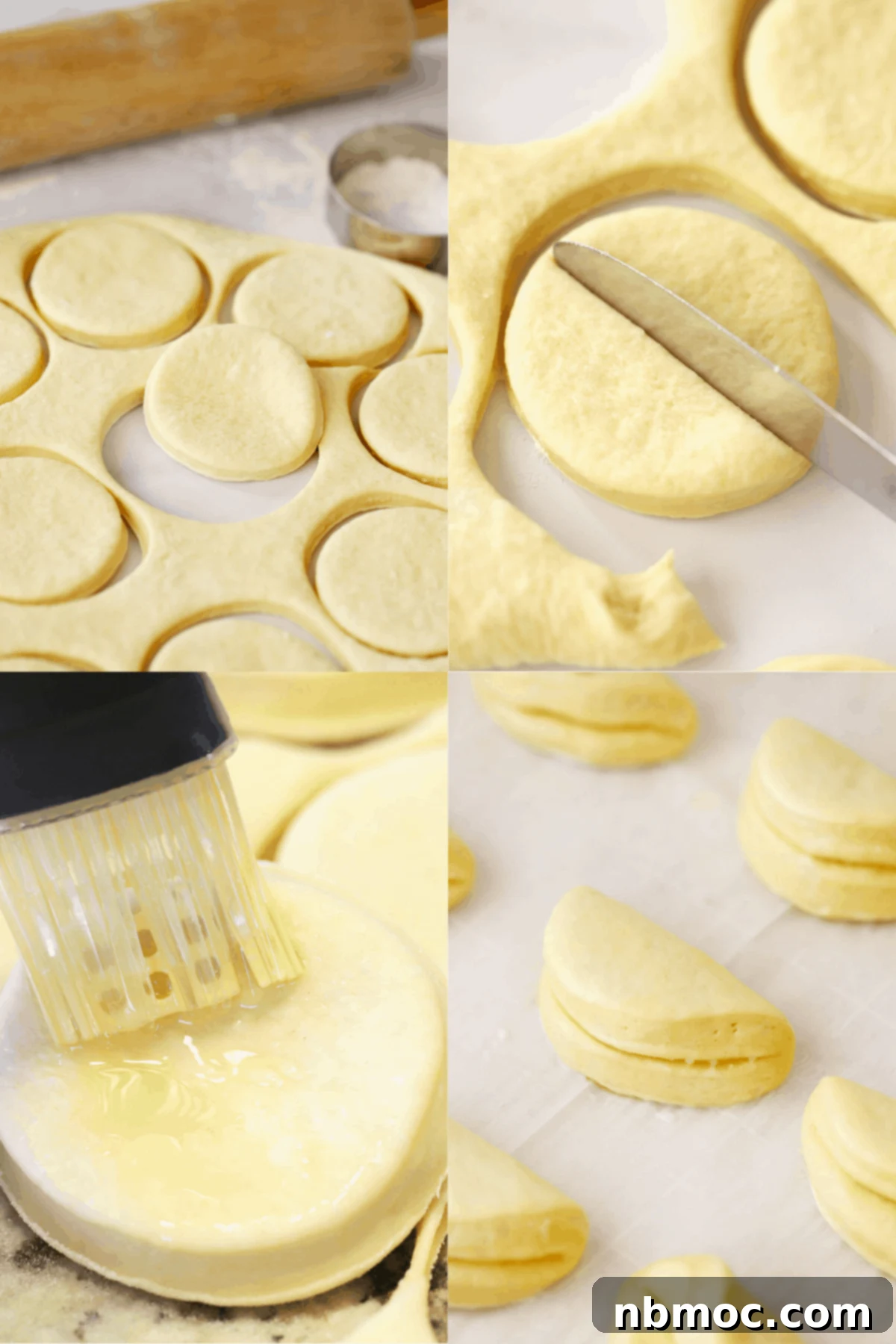
- Shape the Rolls: Once the dough has risen, gently punch it down to release the air. Transfer the dough to a lightly floured surface and divide it into two equal pieces. Roll out one piece of dough at a time using a rolling pin until it’s about 1/2 inch thick. Using a 3-inch round biscuit or cookie cutter, cut out as many circles as possible. Gather the scraps, gently knead them together, and re-roll to cut out more circles. For each circle, use the back of a dull knife or a bench scraper to make a deep indent just off-center, without cutting all the way through. Fold the larger half of the dough over the smaller half to create the classic half-moon shape of Parker House rolls. Arrange the shaped rolls evenly on a baking sheet lined with parchment paper, leaving a small space between each roll.
- Second Rise and Bake: Once all rolls are shaped and arranged on the baking sheet, brush them generously with 1 tablespoon of melted butter. Cover the baking sheet loosely with plastic wrap or a towel and let the rolls rise again for an additional 15-20 minutes, or until they look puffy. While they are rising, preheat your oven to 350°F (175°C).
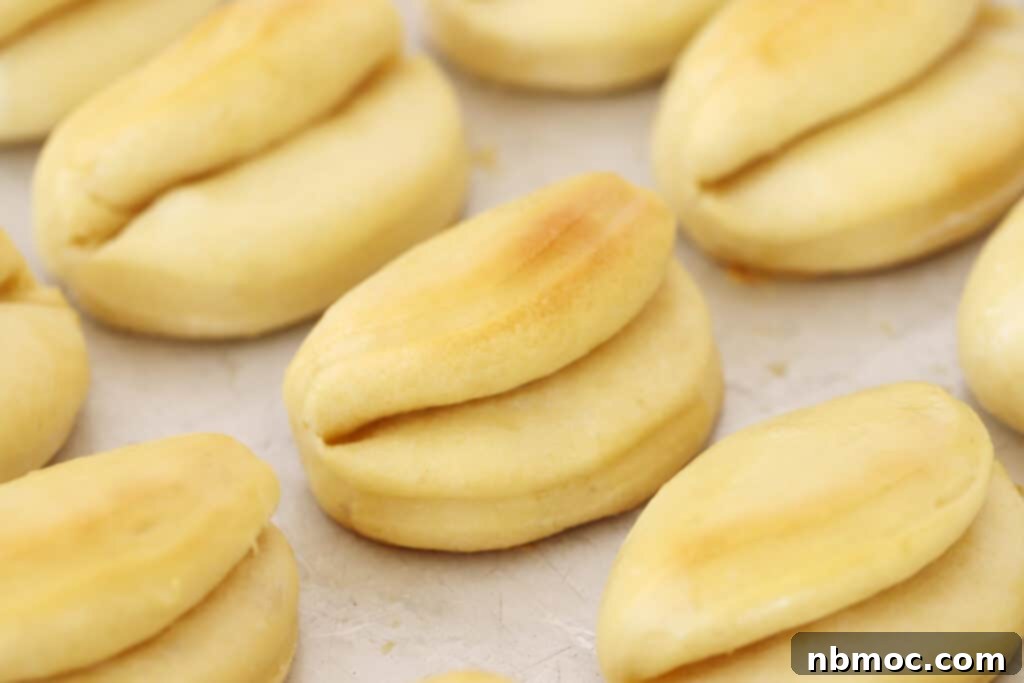
- Bake and Serve: Bake the rolls in the preheated oven for 15-18 minutes, or until their tops are beautifully golden brown. As soon as they come out of the oven, immediately brush them with the remaining melted butter. This double-butter treatment is crucial for their signature shine and irresistible flavor. Serve them warm and enjoy the soft, buttery goodness!
Storing, Freezing, and Make-Ahead Instructions
Parker House rolls are wonderfully versatile and can be prepared in advance or stored for later enjoyment. Here’s how to manage them:
- Make-Ahead Dough: You can prepare the dough, shape the rolls, and then arrange them on a baking sheet. Place the baking sheet, covered tightly with plastic wrap, into the refrigerator for up to 24 hours. When you’re ready to bake, remove the rolls from the fridge while your oven preheats, allowing them to come to room temperature and puff up slightly (this may take 30-60 minutes). Then, proceed with brushing with butter and baking as directed. This is perfect for holiday entertaining!
- Freezing Unbaked Rolls: To freeze unbaked rolls, follow the recipe through shaping the rolls. Arrange them on a large baking sheet and freeze for 8-12 hours, or until solid. Once frozen, transfer the solid rolls to a freezer-safe airtight bag or container for up to 3 months. When you’re ready to bake, thaw the frozen rolls on a parchment-lined baking sheet, covered, for 2-3 hours at room temperature, or until they have doubled in size. Then, brush with butter and bake as directed.
- Storing Baked Rolls: After your rolls have baked and cooled completely, store them in an airtight container or a large zip-top bag at room temperature for up to 3 days. For longer storage, they can be frozen for up to 3 months. To reheat, gently warm them in a microwave, or wrap them in foil and heat in a preheated oven at 300°F (150°C) for 10-15 minutes until warmed through.
Parker House Roll Recipe
Author: The Carefree Kitchen
These classic Parker House rolls are incredibly soft, rich, and an easy dinner roll recipe that consistently earns rave reviews. Their secret lies in being brushed with melted butter not only before but also after baking, making them utterly irresistible.
Pin Recipe
Rate This Recipe
Prep, Cook, and Rise Times
- Prep Time: 15 minutes
- Cook Time: 20 minutes
- Rising Time: 50 minutes (30 minutes for first rise, 15-20 minutes for second rise)
- Total Time: 1 hour 25 minutes
Yields: 15 rolls
Ingredients
- 1½ tablespoons active dry yeast
- 1/4 cup granulated sugar
- 1/2 cup warm water (95°F-110°F)
- 2 cups whole milk
- 1/4 cup unsalted butter, melted, plus 3 tablespoons for brushing
- 3 large eggs
- 2 teaspoons salt
- 6-6½ cups all-purpose flour
Instructions
Making the Bread Dough
- In the bowl of a stand mixer fitted with a dough hook, combine the yeast, 1/4 cup sugar, and warm water. Let stand for five minutes, or until the mixture becomes foamy. This indicates your yeast is active.
- Once foamy, add the milk, 1/4 cup melted butter, eggs, and salt, along with 3 cups of the all-purpose flour. Mix on low speed until combined. Gradually add the remaining flour, 1/2 cup at a time, until the dough begins to pull away from the sides of the bowl and is only slightly sticky to the touch. You may not need all 6½ cups of flour.
- Knead the dough using the dough hook for 3-5 minutes on medium-low speed until it is smooth and elastic. Transfer the dough to a lightly greased bowl, turning once to coat. Cover the bowl with plastic wrap or a clean towel and let the dough rise at room temperature for about 30 minutes, or until it has doubled in size.
Shaping and Baking
- While the dough is completing its first rise, preheat your oven to 350°F (175°C). Line a large baking sheet with parchment paper and set it aside.
- Gently punch the risen dough down to release the air. Transfer it to a lightly floured surface and divide it into two equal pieces. Roll out each piece of dough until it is approximately 1/2 inch thick. Using a 3-inch round cookie cutter, cut out as many circles as possible. Re-roll any scraps to cut out additional circles.
- For each dough circle, use the back of a knife to make a deep indent just off-center, without cutting all the way through. Fold the larger portion of the dough over the smaller portion to form the classic half-moon Parker House shape. Arrange the shaped rolls evenly on your prepared baking sheet, leaving about an inch between each.
- Once all the rolls are shaped and placed on the baking sheet, brush them with 1 tablespoon of the additional melted butter. Cover the baking sheet loosely and let the rolls rise for a second time for an additional 15-20 minutes, or until they appear noticeably puffy.
- Bake the rolls in your preheated oven for 15-18 minutes, or until their tops are beautifully golden brown. Immediately remove from the oven and brush with the remaining 2 tablespoons of melted butter. Serve warm and savor the deliciousness!
Notes
- Storing Leftovers: Any leftover baked rolls can be stored in an airtight container or freezer bag in the refrigerator for up to 5 days. For longer storage, freeze them for up to 3 months.
- Make-Ahead Tips: For convenience, you can prepare the dough and shape the rolls the day before you plan to serve them. Place the shaped rolls on a baking sheet, cover them tightly with plastic wrap, and refrigerate overnight. On baking day, remove them from the fridge about an hour before baking, allowing them to warm up and puff slightly while the oven preheats. Then, proceed with brushing and baking as directed.
Nutrition
Calories: 277kcal | Carbohydrates: 45g | Protein: 7g | Fat: 7g | Saturated Fat: 4g | Polyunsaturated Fat: 1g | Monounsaturated Fat: 2g | Trans Fat: 0.2g | Cholesterol: 51mg | Sodium: 412mg | Potassium: 77mg | Fiber: 2g | Sugar: 4g | Vitamin A: 219IU | Vitamin C: 0.001mg | Calcium: 56mg | Iron: 3mg
Disclaimer: Nutritional values were calculated using a third-party tool and are provided as an estimation only.
Recipe Categories
- Course: Bread
- Cuisine: American
Sharing this recipe with a link is both encouraged and appreciated. Copying/pasting and/or screenshots of full recipes to any social media is strictly prohibited. Content and photographs are copyright protected.
Troubleshooting Common Parker House Roll Issues
Even experienced bakers can encounter hiccups. Here are some common issues and how to resolve them for perfect Parker House rolls:
- Dough Not Rising: If your dough isn’t rising, the most common culprit is inactive yeast or water that’s too hot or cold. Ensure your water is at the correct temperature (95-110°F). If your yeast is old, it might be expired. Test fresh yeast by proofing it first; if it doesn’t foam, get new yeast. A warm, draft-free environment is also crucial for rising.
- Rolls Are Too Dense: Over-kneading or adding too much flour can result in dense rolls. When mixing, add flour gradually until the dough is just slightly sticky. When kneading, stop once the dough is smooth and elastic. Avoid pressing too much air out of the dough during shaping.
- Rolls Are Dry: This usually points to over-baking. Keep an eye on your rolls; they should be golden brown, not deep brown. The internal temperature should reach about 200-210°F (93-99°C). The double butter brush also helps keep them moist.
- Uneven Browning: Ovens can have hot spots. Rotate your baking sheet halfway through the baking time to ensure even browning.
Frequently Asked Questions About Parker House Rolls
Here are answers to some common questions you might have when making these delicious rolls:
- Can I make Parker House rolls without a stand mixer?
- Absolutely! While a stand mixer with a dough hook makes kneading easier, you can certainly knead the dough by hand. After combining the ingredients, turn the dough out onto a lightly floured surface and knead for about 8-10 minutes, or until the dough is smooth and elastic. This is a great arm workout!
- What if I don’t have a biscuit cutter for shaping?
- No problem! You can use the rim of a glass or a jar with a 3-inch diameter. If you prefer, you can also roll the dough into a rectangle and cut it into squares or rectangles with a knife or pizza cutter. For the classic fold, you’d then make an indent and fold, even on a square.
- Can I use bread flour instead of all-purpose flour?
- Yes, you can use bread flour. Bread flour has a higher protein content, which can result in a chewier roll. While still delicious, it might alter the signature tender texture of Parker House rolls slightly. You might also need a little less liquid or slightly more flour, as bread flour absorbs more moisture.
- Is it possible to make these rolls gluten-free?
- Converting a traditional yeast bread recipe to gluten-free can be challenging due to the lack of gluten structure. While it’s possible, it requires specific gluten-free flour blends and often additional binders like xanthan gum. This recipe is optimized for wheat flour, and a direct substitution might not yield the same results. It’s best to look for a recipe specifically developed for gluten-free Parker House rolls.
- How do I know if my water is the right temperature for yeast?
- The ideal temperature is similar to a baby’s bathwater. Use a kitchen thermometer for accuracy (95-110°F or 35-43°C). If you don’t have a thermometer, aim for water that feels warm but not hot on your wrist. If it feels too hot to hold your finger in comfortably, it’s too hot for the yeast.
More Delicious Bread Recipes You’ll Love
If you enjoyed baking these Parker House Rolls, you’re sure to love these other fantastic bread recipes:
- Garlic Herb Bread
- Potato Rolls Recipe
- Wheat Dinner Rolls
- Cheddar Bread
- Best French Bread
- Best White Bread
- Einkorn Flour Recipes
- More Bread Recipes
- More Best Sides Recipes
This recipe for Parker House Rolls truly yields the most wonderfully soft and buttery pull-apart rolls. They are a classic, easy dinner roll that everyone falls in love with, and the simple act of brushing them with butter both before and after baking makes them utterly irresistible. Prepare to impress your family and friends with this timeless bread!