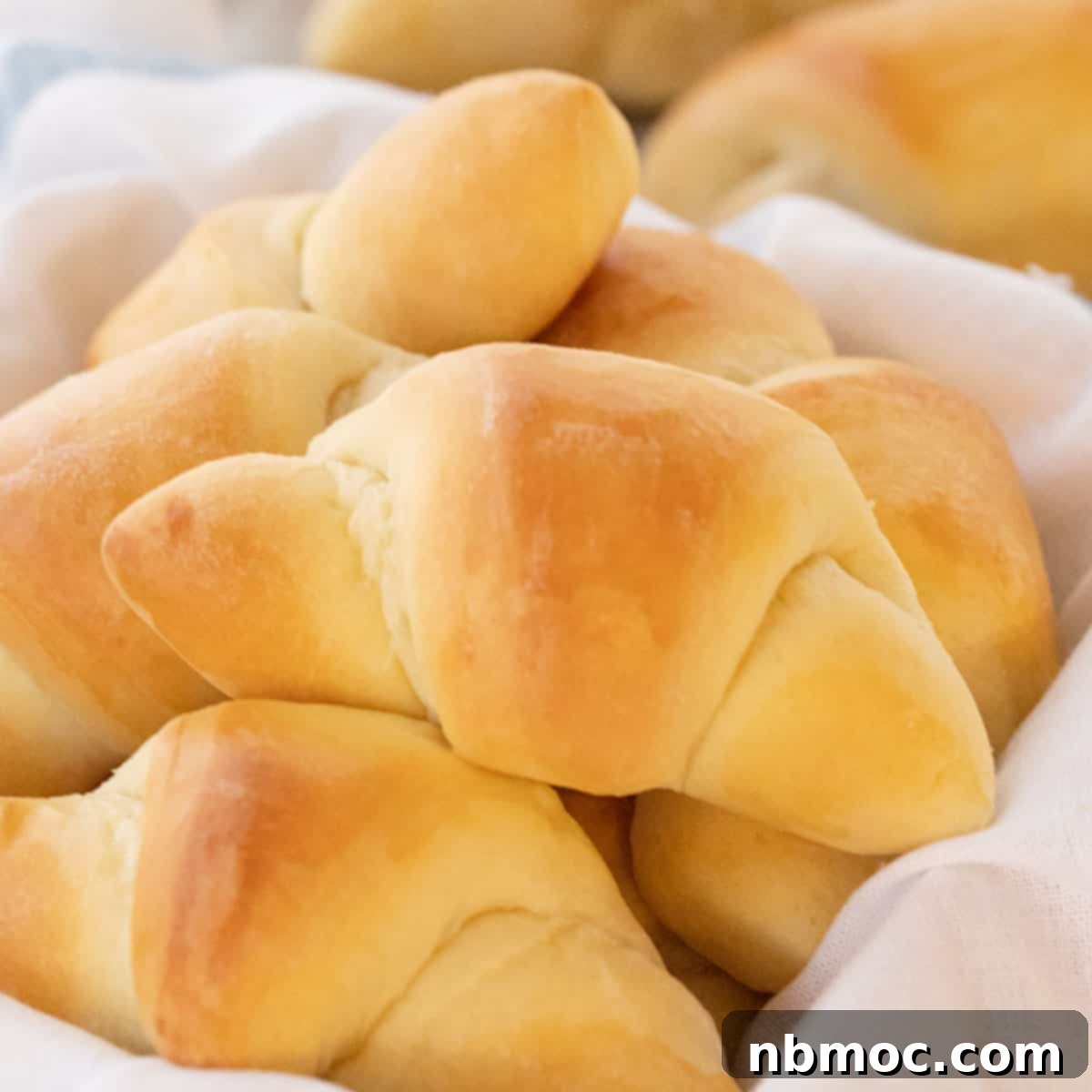
These Homemade Crescent Rolls are a true culinary delight, boasting a melt-in-your-mouth texture and a rich, buttery flavor that makes them an indispensable addition to any meal, especially during the holidays. This comprehensive recipe guide will expertly walk you through each step, from proofing the yeast to shaping and baking, ensuring you achieve light, fluffy, and golden-brown yeast rolls that rival those from a professional bakery.
If you’re passionate about baking and seeking other exceptional roll recipes to impress your family and friends, be sure to explore my Quick Dinner Rolls for a fast yet flavorful option, these classic Parker House Rolls renowned for their tender crumb, and these hearty Potato Rolls that offer an extra layer of moisture and flavor.

Unveiling the Secret to Perfect Homemade Crescent Rolls
Imagine the aroma of freshly baked bread filling your kitchen, conjuring nostalgic memories of your grandmother’s cooking. This easy crescent rolls recipe is designed to recreate that magical experience, bringing you back to cherished family gatherings. These tender yeast rolls aren’t just a side dish; they are the undisputed star of any holiday feast or Sunday dinner. Each bite offers a symphony of flavors and textures: a soft, airy interior yielding to a subtle chewiness, all enveloped in layers of rich, golden butter. This detailed guide ensures that even novice bakers can achieve spectacular results, transforming simple ingredients into an extraordinary bread that everyone will adore.
Whether you’re preparing for a grand holiday celebration, a cozy family dinner, or simply craving the comfort of warm bread, these crescent rolls fit every occasion. For a delightful twist on a classic, especially popular during Easter, our charming Bunny Rolls offer a fun and festive alternative that is sure to bring smiles to faces of all ages.
Visual Guide: Easy Crescent Rolls Recipe
To help you master the art of homemade crescent rolls, we’ve included a comprehensive video tutorial. Watch as we demonstrate each step, from kneading the perfect dough to forming the iconic crescent shape, ensuring you feel confident and capable throughout the baking process. This visual aid is perfect for clarifying any uncertainties and helping you achieve consistently beautiful results.
Essential Ingredients for Fluffy Crescent Rolls
Crafting the perfect crescent roll begins with understanding the role of each ingredient. Here’s a deeper dive into the components that create these irresistible rolls:
- Warm Water: The foundation for activating your yeast. The ideal temperature is crucial—aim for approximately 105-110°F (40-43°C). A simple test is to feel the water on your wrist; it should feel pleasantly warm, not hot or cold. Water that’s too hot can kill the yeast, while water that’s too cold won’t activate it effectively, leading to flat rolls.
- Yeast: The magical leavening agent responsible for the rolls’ airy texture. Both rapid rise (instant) yeast and active dry yeast work wonderfully in this recipe. If using active dry, ensure all granules are fully dissolved and exposed to the warm water and sugar before adding flour to allow proper proofing. Instant yeast can often be mixed directly with the dry ingredients, but proofing it first helps confirm its activity.
- Sugar: More than just a sweetener, sugar is vital for feeding the yeast, promoting its growth and ensuring a robust rise. It also contributes to the beautiful golden-brown crust and enhances the overall flavor of the rolls. For those preferring alternatives, natural sweeteners like honey or maple syrup can be substituted, though they might slightly alter the dough’s consistency and sweetness level.
- Melted Butter: A cornerstone of the crescent roll’s rich, buttery flavor and tender crumb. After melting, allow the butter to cool slightly before incorporating it into the dough. It should be warm enough to blend easily but not so hot that it cooks the eggs or harms the yeast. A good rule of thumb is that if you can comfortably touch it, it’s ready. Unsalted butter is usually preferred to control the overall salt content of the recipe.
- Eggs: Large eggs are incorporated to add richness, improve the dough’s structure, and contribute to a softer crumb. Eggs also enhance the rolls’ color, making them more appealing. They provide moisture and fat, helping to create that signature tender texture.
- Flour: The primary structural component of your rolls. All-purpose flour is generally recommended for its versatility and balanced protein content, which allows for good gluten development without making the rolls too dense. While any quality all-purpose flour will work, some bakers have preferences for specific brands. Finely ground flours often create a smoother dough and a more delicate final product. Proper measurement of flour is critical; spooning flour into your measuring cup and leveling it off (rather than scooping directly) prevents over-flouring, which can lead to dry, tough rolls.
- Salt: A crucial ingredient for balancing the sweetness, enhancing the overall flavor, and controlling the yeast’s activity. Without salt, the rolls would taste bland, and the yeast might rise too quickly, leading to an inferior texture.
Mastering the Art: A Step-by-Step Guide to Homemade Crescent Rolls
Follow these detailed instructions to create the most divine homemade crescent rolls your kitchen has ever seen.
- Proof the Yeast. Begin by adding the warm water, yeast, and sugar to the bowl of a stand mixer fitted with a dough hook. Gently stir these ingredients together until combined. Allow the mixture to rest undisturbed for approximately 5-10 minutes. During this time, the yeast should activate, creating a foamy, bubbly layer on the surface. This “froth” indicates that your yeast is alive and ready to work its magic. If no bubbles appear, your water might have been too hot or too cold, or your yeast may be expired, and you should start over.
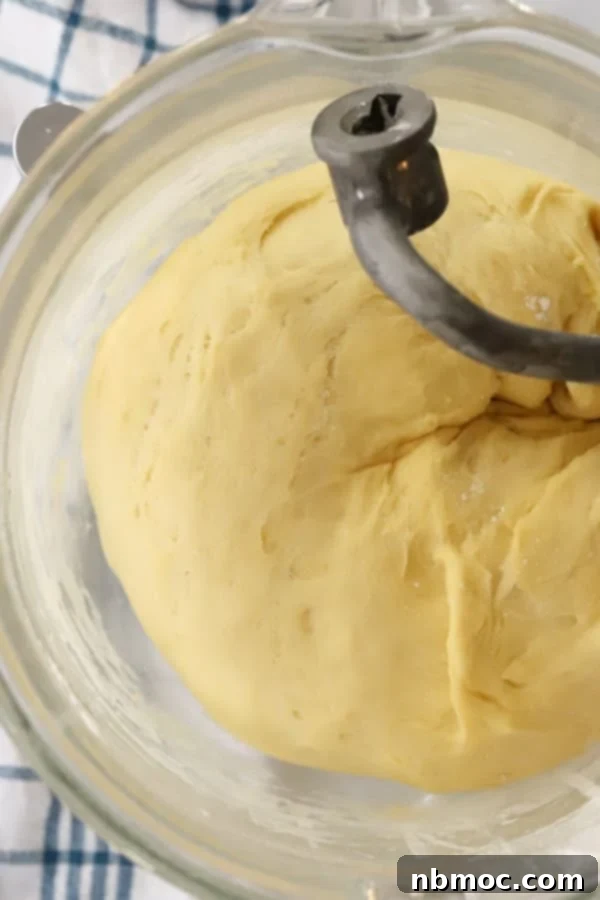
- Mix and Knead the Dough. Once your yeast is visibly active, add the melted butter, eggs, and salt to the yeast mixture. Mix these wet ingredients thoroughly. Next, gradually incorporate about 4 cups of the all-purpose flour. Mix on low speed until a sticky dough begins to form. At this stage, the dough will be quite wet and cling to the sides of the bowl. Continue to add the remaining 1/4 cup of flour, one tablespoon at a time, while kneading. Keep kneading until the dough transforms into a soft, elastic mass that pulls cleanly away from the sides of the bowl. This kneading process develops the gluten, which is essential for the rolls’ structure and chewiness. Continue kneading for a full 2 minutes after all flour is incorporated.
- First Rise. Lightly grease a clean bowl with a little oil or cooking spray. Transfer the kneaded dough into this bowl, turning it once to coat the entire surface with a thin layer of oil. Cover the bowl tightly with plastic wrap or a clean kitchen towel. Place the dough in a warm, draft-free spot (such as a slightly warmed oven turned off, or near a sunny window) and let it rise for about 30 minutes, or until it has visibly doubled in size. This first rise allows the yeast to produce carbon dioxide, creating air pockets within the dough.
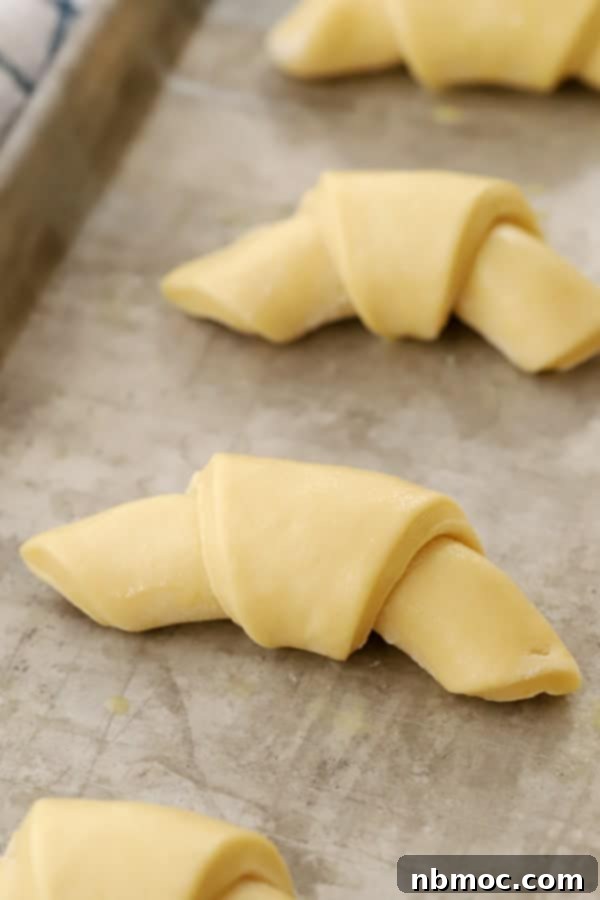
- Roll, Cut, and Shape the Crescent Rolls. Once the dough has completed its first rise, gently punch it down to release the air. Transfer the dough to a lightly floured surface. Divide the dough into two equal portions. Take one portion and roll it out into a large circle, aiming for a thickness of about 1/4 inch. Using a pizza cutter or a sharp knife, carefully cut the circle into 9 even triangles, much like slicing a pizza. Starting at the widest end of each triangle, gently roll the dough inward towards the narrow pointed tip, forming the classic crescent shape. Repeat this process with the second dough portion.
- Egg Wash and Second Rise. Arrange the shaped crescent rolls onto a large, lightly greased baking sheet, ensuring they are spaced about 1 inch apart to allow for expansion. In a small bowl, whisk together one large egg with one tablespoon of water to create an egg wash. Lightly brush the tops of each crescent roll with this egg wash. This will give them a beautiful golden sheen once baked. Cover the baking sheet loosely with a kitchen towel and let the rolls rise again in a warm, draft-free spot for another 30 minutes, or until they have doubled in size. This second rise contributes to their final light and airy texture.
- Bake. While the rolls are completing their second rise, preheat your oven to 350°F (175°C). Once the oven is ready and the rolls have fully risen, carefully place the baking sheet into the preheated oven. Bake for 15-18 minutes, or until the tops of the rolls are gloriously golden brown. Baking time may vary slightly depending on your oven, so keep an eye on them. Once baked to perfection, remove the rolls from the oven and, for an extra touch of richness, immediately brush their warm tops with a little extra melted butter. This adds flavor and helps keep them soft.
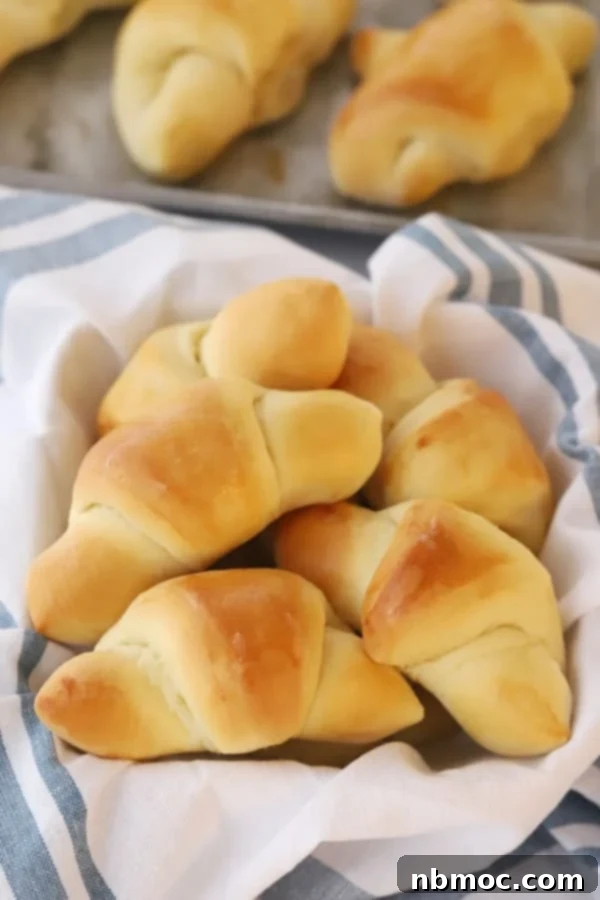
- Serve. Serve your homemade crescent rolls warm, fresh from the oven, to experience their ultimate buttery softness. They are delightful on their own or paired with your favorite holiday dishes.
Exciting Flavor Variations for Your Crescent Rolls
While classic crescent rolls are perfection, don’t hesitate to experiment with these delicious flavor enhancements to suit your taste or complement your meal:
- Garlic Parmesan Rolls: For a savory delight, knead a generous dose of finely minced garlic (about 1-2 cloves per dough portion) and a quarter cup of freshly grated Parmesan cheese into the dough during the last minute of kneading. This infuses the rolls with an aromatic, cheesy goodness, perfect for pairing with Italian dishes or hearty soups.
- Fresh Herb Infusion: Elevate your rolls with the fragrant essence of garden herbs. Finely chop fresh rosemary, thyme, and basil (about 1 tablespoon total per dough portion) and blend them with a tablespoon of extra-virgin olive oil. Brush this herb oil over the rolled-out dough circles before cutting them into triangles. This creates herbaceous layers that release their aroma with every bite, ideal for roast chicken or lamb.
- Spinach and Feta Stuffed Rolls: For a delightful appetizer or a unique side, wilt about half a cup of fresh spinach, squeeze out any excess moisture, and mix it with a quarter cup of crumbled feta cheese. Before rolling each crescent triangle, place a small spoonful of this mixture at the wide end, then roll it up. The savory filling adds a wonderful Mediterranean flair.
- Sweet Cinnamon Sugar Swirls: Transform these savory rolls into a delectable breakfast pastry or dessert. Before rolling, generously sprinkle a mixture of cinnamon and sugar over the rolled-out dough triangles. You can also add a pinch of nutmeg for extra warmth. Once baked, these sweet and flaky rolls are absolutely divine, especially when served warm with coffee or as a light dessert.
- Honey-Glazed Perfection: For a subtly sweet and glossy finish, brush the baked rolls with a simple glaze made from melted butter and a drizzle of honey immediately after they come out of the oven. This creates a beautiful shine and adds another layer of sweet, buttery flavor.
- “Everything Bagel” Rolls: Brush the dough with an egg wash before the second rise, then sprinkle generously with everything bagel seasoning for a trendy, savory kick. These are fantastic for breakfast sandwiches or alongside cream cheese.
Frequently Asked Questions About Homemade Crescent Rolls
For active dry yeast, the water temperature is critical and should be between 105 and 110°F (40-43°C) for successful proofing. This range is warm enough to activate the yeast without killing it. While yeast multiplies best around 95°F, slightly warmer water is needed to help dissolve the active dry yeast granules and kickstart their activity. If the water is too hot (above 130°F), it will kill the yeast, and your dough won’t rise. If it’s too cold (below 90°F), the yeast won’t activate efficiently, leading to a slow or non-existent rise.
Active dry yeast and instant (or rapid-rise) yeast are the two most common types available to home bakers, and while they both serve the same purpose of leavening dough, they differ in how they’re used. Active dry yeast typically needs to be dissolved in warm water (proofed) before being added to other ingredients, which helps ensure it’s alive and active. Instant yeast, on the other hand, is designed to be mixed directly with the dry ingredients without prior proofing, as its granules are smaller and dissolve more quickly. Both can often be used interchangeably in recipes, but you might notice a slightly faster rise time with instant yeast, and active dry yeast might require a few extra minutes of rising time.
Absolutely! Preparing the dough in advance is a fantastic way to streamline your baking process. The crescent roll dough can be made a day before you plan to bake and stored in the refrigerator. After the first rise, punch down the dough and place it into one or two lightly oiled ziplock bags or an airtight container, ensuring there’s some room for slight expansion. The next day, remove the dough from the fridge and allow it to come to room temperature for about 30-60 minutes before proceeding with rolling, cutting, and shaping the crescent rolls as described in the recipe. This slow fermentation in the fridge can even enhance the flavor of the rolls. You can also freeze unbaked rolls; see the “Storing and Reheating” section for detailed instructions.
There are a few common culprits. The most frequent reason is inactive yeast, either because the water was too hot (killing it) or too cold (not activating it), or the yeast itself was expired. Always proof your yeast first to ensure it’s active. Other factors include insufficient sugar to feed the yeast, a cold environment for rising, or too much flour, which can make the dough too stiff to expand properly.
The key to uniform rolls is consistent rolling and cutting. When rolling out your dough, aim for an even 1/4-inch thickness across the entire circle. For cutting, a pizza cutter is ideal for straight lines. Mentally divide your circle into quarters, then each quarter into two or three smaller sections to get even triangles. Don’t worry if they aren’t perfectly identical; homemade charm is part of the appeal!
Storing and Reheating Instructions for Freshness
Ensure your homemade crescent rolls remain delicious long after they come out of the oven with these storage and reheating tips:
- Room Temperature: Freshly baked crescent rolls are best enjoyed warm. Any leftovers can be stored in an airtight container at room temperature for up to 3 days. Make sure they are completely cooled before storing to prevent condensation, which can make them soggy.
- Refrigerator: To extend their shelf life slightly, place cooled rolls in an airtight container and store them in the refrigerator for up to 5 days. Refrigeration helps maintain their freshness a bit longer, especially in warmer climates.
- Freezer (Unbaked Dough): This is a fantastic make-ahead option! After shaping the crescent rolls but before the second rise, arrange them on a baking sheet and freeze until solid (about 1-2 hours). Once frozen, transfer the unbaked rolls to a freezer-safe bag or container and store for up to 3 months. When ready to bake, transfer the frozen rolls directly to a greased baking sheet, cover, and let them thaw and rise at room temperature (this might take 2-4 hours) before brushing with egg wash and baking as directed, potentially adding a few extra minutes to the baking time.
- Freezer (Baked Rolls): Fully baked and cooled crescent rolls can also be frozen for up to 3 months. Wrap them tightly in plastic wrap and then aluminum foil, or place them in a freezer-safe bag. To reheat, thaw them at room temperature or in the refrigerator overnight, then follow the reheating instructions below.
- To Reheat: For best results, reheat room temperature or thawed rolls in a preheated 325°F (160°C) oven for about 5-10 minutes, or until warmed through and soft. You can also quickly reheat individual rolls in the microwave for 10-20 seconds, but be cautious not to overdo it, as they can become tough. Brushing with a little extra melted butter before reheating in the oven can help restore their moistness.
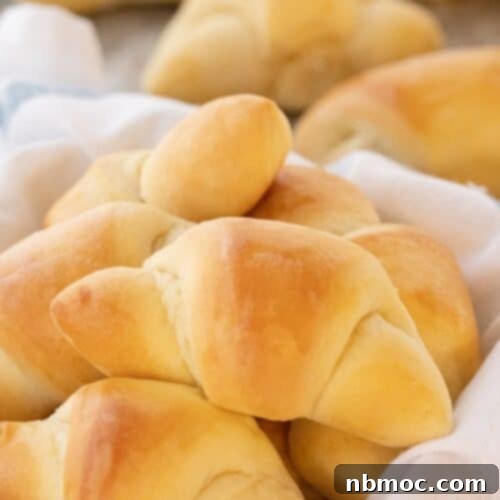
Homemade Crescent Rolls
Pin Recipe
Watch Video
Ingredients
Ingredients for Homemade Crescent Rolls
- 1 cup water, warm (95-110 degrees F)
- 1 tablespoon active dry yeast
- 1/2 cup sugar
- 1/2 cup butter, melted
- 3 large eggs
- 3/4 teaspoon salt
- 4-5 cups all-purpose flour
For the Egg Wash
- 1 large egg
- 1 tablespoon water
Instructions
- In the bowl of a stand mixer, combine the warm water, yeast, and sugar. Mix lightly to ensure the ingredients are incorporated, then let it sit until frothy, which usually takes about 5-10 minutes. This bubbling indicates the yeast is active.
- Once the yeast mixture is bubbly, add the melted butter, eggs, salt, and approximately 4 cups of the all-purpose flour. Begin mixing on low speed until the ingredients are just combined; the dough will initially be quite sticky. Gradually add up to 1 more cup of flour, one-quarter cup at a time, until the dough begins to pull away from the edges of the bowl as it kneads. Continue to knead the dough in the mixer for an additional 2 minutes to develop gluten. Cover the bowl with a clean kitchen towel and let the dough rise in a warm, draft-free place for 30 minutes.
- After the dough has risen and doubled in size, gently transfer it to a lightly floured surface. Divide the dough into two equal balls. Roll each ball into a neat circle, aiming for a thickness of about 1/4 inch. In a small bowl, whisk together one egg and one tablespoon of water to create an egg wash, then brush a thin, even layer of this wash over each rolled-out dough circle. Using a pizza cutter or a sharp knife, carefully cut each circle into 9 uniform triangles.
- Starting from the wide end of each dough triangle, gently roll the dough towards the pointed tip to form the classic crescent shape. Place the rolled crescents seam-side down onto a large, lightly greased baking sheet. Ensure they are spaced approximately 1 inch apart to allow for proper rising. Continue this process until all 18 rolls are shaped. Lightly cover the baking sheet with a kitchen towel and let the rolls rise again until they have doubled in size, typically about 30 minutes.
Baking the Rolls
- Preheat your oven to 350 degrees F (175 degrees C).
- Once the rolls have gracefully doubled in size during their second rise, gently brush them with the prepared egg wash for a beautiful golden finish.
- Bake the crescent rolls in your preheated oven for 15-18 minutes, or until their tops achieve a rich, golden-brown hue. Baking times can vary, so monitor them closely. Remove the rolls from the oven immediately after they are done and, for an extra touch of buttery goodness, brush their warm tops with a little extra melted butter.
- Serve these delectable homemade crescent rolls warm and savor every soft, buttery bite!
Video Tutorial
Notes
Make-Ahead Tips: To prepare in advance, shape the crescent rolls as directed, then place them on a baking sheet and freeze for approximately 1 hour, or until they are completely solid. Once frozen, transfer them to freezer-safe bags or containers and store them for up to 3 months. To thaw and bake, simply transfer the frozen rolls to a baking sheet and allow them to come to room temperature and rise overnight in the fridge or for several hours at room temperature, then bake as instructed.
Reheating Instructions: To best enjoy leftover rolls, reheat them gently in the microwave for a few seconds per roll, or in a preheated 325 degree F (160 C) oven for about 5 minutes until warm and tender.
Nutrition Information
Disclaimer: Nutritional values were calculated using a third-party tool and are provided as an estimation only.
Sharing this recipe with a link is both encouraged and appreciated. Copying/pasting and/or screenshots of full recipes to any social media is strictly prohibited. Content and photographs are copyright protected.
Did you make this recipe?
Don’t forget to leave a rating below and make sure to follow on Pinterest, Instagram and Tiktok for more delicious recipes and kitchen inspiration!
More Must-Try Recipes for Your Holiday Table
Beyond these glorious crescent rolls, elevate your holiday dining experience with these other beloved recipes that complement any festive spread:
- Crockpot Turkey Breast: Effortlessly tender turkey with a delightful citrus marinade.
- Roasted Turkey Breast: A classic, perfectly cooked turkey breast for a smaller gathering.
- Easy No-Bake Cheesecake: A simple yet elegant dessert that’s perfect for any occasion.
- Homemade Cranberry Orange Sauce: Fresh, zesty, and far superior to canned versions.
- Crockpot Mashed Potatoes: Creamy, dreamy mashed potatoes made easy in your slow cooker.
- Garlic Parmesan Mashed Potatoes: An elevated twist on a classic side, bursting with flavor.
- Simple Sautéed Green Beans: A vibrant and healthy side dish that’s quick to prepare.
- Sun-Dried Tomato Parmesan Biscuits: Flavorful biscuits with a savory kick.
- Roasted Sweet Potatoes with Lime and Chipotle: A zesty and smoky side dish.
- Sweet Potato Casserole with Pecan Streusel Topping: A beloved holiday classic with a crunchy topping.
- Gingerbread Cookie Bars: Chewy, spiced bars perfect for festive snacking.
- No-Bake Pumpkin Cheesecake: A delightful, easy pumpkin dessert for autumn.
- Explore more Thanksgiving Recipes for a complete holiday menu.
- Discover more delightful Bread Recipes to perfect your baking skills.
This Homemade Crescent Rolls recipe truly embodies the warmth and love of Grandma’s kitchen. It’s a timeless yeast roll recipe that delivers consistently buttery, impossibly soft, and utterly delicious results. Perfect as the star side dish for any holiday gathering or a comforting addition to a weeknight meal, these rolls are a testament to the simple joy of baking from scratch. Enjoy creating and sharing these memorable crescent rolls with your loved ones!